Archive for the
‘Uncategorized’ Category

Signs Mental Health Symptoms Are Interfering with Daily Life

Authored by the Clinical Team at Lucent Recovery and Wellness
Reviewed by Chris Hudson, MA, LPC, LCDC

Key Takeaways:

  • Anxiety symptoms and symptoms of depression can begin interfering with daily life, daily routine, and everyday activities.
  • Excessive worry, anxious thoughts, low mood, and loss of interest can affect work, relationships, and social life.
  • When mental health problems continue disrupting daily functioning for a long-term period, professional help from a mental health professional or health care provider is an appropriate next step.
  • Mental health professionals evaluate symptom severity, risk factors, safety concerns, and impact on daily activities when determining appropriate treatment options such as Intensive Outpatient Programs (IOP) or Partial Hospitalization Programs (PHP).

When Anxiety or Depression Feels Like It Is Ruining Your Life

Many people begin having thoughts like, “I’m tired of anxiety ruining my life” or “depression ruining my life” when symptoms begin affecting everyday life in ways that feel overwhelming.

Excessive worry, anxious thoughts, persistent fear, depressed mood, and loss of interest can begin interfering with daily activities, social situations, and relationships with loved ones or family members. A person who once managed responsibilities easily may suddenly feel unable to keep up with work, school, or household tasks.

Anxiety symptoms may include racing heart, heart palpitations, chest pain, shortness of breath, muscle tension, dizziness, dry mouth, or panic attacks. Depression symptoms may involve low mood, fatigue, sleep problems, changes in appetite, memory loss, weight gain or weight loss, and difficulty concentrating.

When mental health symptoms begin interfering with daily life and social life, it’s natural for people to begin looking for professional help to understand what is happening and what treatment options may help them feel better.

Anxiety and Depression Are Medical Mental Health Conditions

Anxiety disorders and depressive disorders are among the most common mental health conditions and mental disorders in the United States. These mental health issues affect how a person thinks, feels, and responds to stressful situations.

Depression can appear as major depressive disorder, often referred to as major depression or clinical depression. During a major depressive episode, a depressed person may experience persistent depressed mood, loss of interest in activities, low energy levels, sleep problems, changes in appetite, and difficulty concentrating.

Some individuals develop treatment-resistant depression, meaning depressive symptoms continue despite standard depression treatment approaches.

Anxiety disorders can also take different forms, including generalized anxiety disorder, panic disorder, social anxiety disorder, health anxiety, and obsessive-compulsive disorder. Some people also experience anxiety related to post-traumatic stress disorder following traumatic events.

These mental health problems may also occur alongside conditions such as bipolar disorder or substance use disorders, with substance abuse often serving as a way of finding temporary relief.

According to health information provided by the National Institute of Mental Health (NIMH), mental health conditions are influenced by a combination of brain chemicals, genetic risk factors, personality traits, traumatic events, family history of depression, and major life changes.

How Anxiety Symptoms and Depression Symptoms Affect Daily Life

Anxiety disorders and depressive disorders can gradually interfere with everyday functioning. Anxiety symptoms such as excessive worry, anxious thoughts, intense fear, or worst-case scenarios can make it difficult to focus, make decisions, or remain in the present moment.

Depression symptoms can reduce motivation and energy levels. A person with depression may struggle to maintain a daily routine, complete responsibilities, or participate in social situations with friends or loved ones.

Mental health symptoms may also affect physical health. Long-term stress and untreated depression may contribute to high blood pressure, heart disease, immune system changes, and other medical conditions. Anxiety can also trigger symptoms such as racing heart, elevated heart rate, dizziness, chest pain, and anxiety attacks.

When symptoms continue affecting everyday life for a long time, many people begin searching for different ways to get help.

Signs Mental Health Symptoms Are Affecting Your Daily Routine and Social Life

Mental health symptoms can interfere with several areas of everyday life. The following table highlights common warning signs that anxiety symptoms or depressive symptoms are affecting daily routine, relationships, and responsibilities.

Area of Daily Life What Anxiety or Depression May Look Like
Daily Routine Difficulty maintaining personal care, chores, errands, or basic responsibilities
Work or School Trouble concentrating, falling behind on work, missing deadlines, or struggling in high school or college
Social Life Avoiding social situations, withdrawing from close friends, or isolating from loved ones
Family Relationships Increased conflict with family members or difficulty communicating with each other
Emotional Well-Being Excessive worry, anxious thoughts, depressed mood, or loss of interest
Physical Symptoms Racing heart, heart palpitations, muscle tension, fatigue, sleep disruption, or shortness of breath

Why Anxiety and Depression Symptoms Can Escalate Over Time

Anxiety disorders and depression can worsen when stress remains elevated for a long-term period. Excessive worry can keep the nervous system in a constant stress response, while depressive symptoms can reduce motivation to engage in activities that normally support emotional regulation.

Risk factors that may contribute to worsening mental health symptoms include:

  • traumatic events
  • major life changes
  • family history of depression
  • substance abuse or substance use disorders
  • chronic stress
  • untreated depression

Over time, these factors may increase the severity of mental health symptoms and make everyday life increasingly difficult to manage.

When Anxiety or Depression Keeps Interfering with Everyday Life

Occasional stress or sadness is normal. However, when anxiety or depression begins affecting daily activities, work, relationships, and social life, additional support may be needed.

Warning signs may include:

  • persistent excessive worry or anxiety triggers
  • low mood lasting several weeks
  • loss of interest in activities once enjoyed
  • difficulty maintaining work or school performance
  • social isolation from loved ones or close friends

When symptoms continue interfering with daily life for a long time, seeking professional support may help clarify the best next steps.

When Professional Help May Be the Right Next Step

Seeking professional help is often an important first step when anxiety symptoms or depression symptoms begin interfering with everyday functioning.

Mental health professionals and healthcare professionals may evaluate:

  • symptom severity
  • duration of symptoms
  • safety concerns such as suicidal thoughts or plans to attempt suicide
  • family history and risk factors
  • physical health concerns

If someone is experiencing suicidal thoughts, contacting a Suicide Prevention hotline such as 988 in the United States or seeking immediate medical care is strongly recommended.

How Mental Health Professionals Evaluate Symptom Severity

Mental health professionals consider several factors when evaluating mental health problems and determining appropriate treatment options.

Evaluation Area What Clinicians Consider
Symptom Severity Anxiety symptoms, depressive symptoms, panic attacks, or major depressive episode
Impact on Daily Life Interference with work, relationships, and daily activities
Duration Whether symptoms have persisted for a long time
Risk Factors Family history, traumatic events, personality traits, or substance abuse
Safety Suicidal thoughts, risk of suicide attempt, or severe emotional distress
Support System Availability of loved ones, family members, or support groups

These evaluations help determine whether standard outpatient care or more structured treatment support may be appropriate.

Treatment Options for Anxiety and Depression

The good news is that anxiety disorders and depressive disorders are treatable mental health conditions. Mental health professionals may recommend several treatment options depending on symptom severity.

Common approaches include:

  • Cognitive behavioral therapy (CBT)
  • Talk therapy or family therapy
  • Antidepressant medications or anti-anxiety medication
  • Stress management tools such as deep breathing exercises, grounding techniques, and coping mechanisms
  • Lifestyle changes including physical activity, balanced diet, enough sleep, and healthy lifestyle habits

In some cases of severe depression or treatment-resistant depression, additional medical treatments such as transcranial magnetic stimulation (TMS) or electroconvulsive therapy (ECT) may be recommended by a healthcare provider.

In situations where anxiety or depression significantly interfere with daily functioning, clinicians may recommend more structured treatment such as an Intensive Outpatient Program (IOP) or Partial Hospitalization Program (PHP). These levels of care offer comprehensive services while allowing individuals to return home each day. They offer an alternative to residential and inpatient care when safety can be maintained outside of 24-hour observation.

Our page on the differences between IOP and PHP levels of care can help clarify which type of structured outpatient treatment program may be appropriate.

Not Sure If Your Mental Health Symptoms Are Becoming Too Difficult to Manage?

If anxiety or depression is interfering with daily life, relationships, or responsibilities, speaking with a mental health professional can help determine what level of care may be most appropriate.

At Lucent Recovery and Wellness, our clinicians conduct comprehensive evaluations to determine whether traditional outpatient care is appropriate or whether structured programs such as an Intensive Outpatient Program (IOP) or Partial Hospitalization Program (PHP) may provide the level of support needed. Our team is here to help support you in finding the right type of help.

Schedule a Confidential Assessment

Frequently Asked Questions

What should I do if I feel like anxiety is ruining my life?

If anxiety symptoms such as excessive worry, panic attacks, or constant fear are interfering with daily life, speaking with a mental health professional may help identify effective treatment options such as therapy, medication, or structured support programs.

What should I do if I feel like depression is ruining my life?

Severe depression can affect energy levels, motivation, and relationships. If depression symptoms such as loss of interest, low mood, or social isolation are interfering with everyday life, professional help may be beneficial.

Can anxiety symptoms interfere with daily life and social situations?

Yes. Anxiety disorders such as generalized anxiety disorder, panic disorder, and social anxiety disorder can make it difficult to manage everyday responsibilities or participate in social situations.

Can depression affect work and relationships?

Depression symptoms such as fatigue, difficulty concentrating, and low mood can make it harder to maintain productivity at work or maintain healthy relationships with loved ones and family members.

When should someone talk to a mental health professional?

Professional help may be appropriate when mental health symptoms persist for several weeks, worsen over time, or begin interfering with daily activities, social life, or relationships.

When do anxiety or depression symptoms require more structured outpatient treatment?

If anxiety or depression continues affecting everyday life despite individual therapy, coping skills, self-care strategies, or lifestyle changes, a mental health professional may recommend additional treatment options like an Intensive Outpatient Program (IOP) or Partial Hospitalization Program (PHP).

Healing and recovery at Lucent Recovery and Wellness

Reviewed by Chris Hudson, LPC, LCDC

Founder & Executive Director – Lucent Recovery and Wellness, Austin, TX (2020–Present)
Leads clinical programs and develops innovative therapeutic approaches integrating experiential and creative therapies.

Board Member – Reklaimed, Austin, TX
Supports recovery-focused nonprofit initiatives fostering community and creative skill-building.

Clinical Leadership Roles – South Meadows Recovery, Inc.
Held leadership positions overseeing program development, clinical operations, and organizational management.

EDUCATION & CREDENTIALS

  • M.A., Clinical Mental Health Counseling – Seminary of the Southwest (2021)
  • B.A., Studio Art – Lewis & Clark College (2004)
  • Licensed Professional Counselor (LPC), Texas
  • Licensed Chemical Dependency Counselor (LCDC), Texas

How Structured IOP and Wraparound Care Restore Stability in Central Texas

Authored by the Clinical Team at Lucent Recovery and Wellness
Reviewed by Chris Hudson, MA, LPC, LCDC

Key Takeaways:

  • Weekly therapy often works well when mental health symptoms remain relatively stable and individuals can apply coping strategies independently between sessions in daily life.
  • When therapy progress begins to stall or a lack of progress becomes noticeable, mental health professionals typically evaluate therapist fit, treatment approach, and medication management before assuming weekly therapy alone is not enough support.
  • Warning signs such as worsening mental health symptoms, difficulty maintaining daily functioning, or repeated emotional distress between sessions may indicate the need for additional support or a higher level of care.
  • Structured treatment programs such as Intensive Outpatient Programs and Partial Hospitalization Programs provide more frequent therapy and structured support to help individuals receive the right level of care for long-term recovery.

Weekly therapy is one of the most common forms of outpatient care for mental health concerns and often serves as the first step in addressing anxiety disorders, mood disorders, and other mental health issues.

For many people, individual therapy provides a safe space to process emotions, develop coping strategies, and begin the recovery process. Weekly sessions allow individuals to strengthen emotional regulation, pursue long-term personal growth, and practice coping tools in real-life situations between appointments.

However, some individuals begin noticing signs that weekly therapy may no longer provide enough support to stabilize mental health symptoms or maintain progress in daily life. Sessions may feel helpful in the moment, but the benefits fade once daily stress returns. Emotional distress may build again before the next appointment, and coping mechanisms may become difficult to apply consistently.

These mental health issues can affect daily routines, quality of life, relationships with loved ones, and the ability to function at work or school.

When therapy progress slows, clinicians typically evaluate several factors before recommending changes in outpatient treatment structure or recommending a higher level of care.

Signs Weekly Therapy Sessions May Not Be Enough

Sometimes individuals begin noticing warning signs that weekly therapy may not provide enough structure or support for their current mental health needs.

These warning signs do not necessarily mean therapy has failed. Instead, they may indicate that symptoms have intensified or that additional mental health support is needed.

Warning Sign What Someone May Experience Why It Matters
Mental health symptoms worsen between weekly therapy sessions Anxiety, panic attacks, depression, or emotional distress increase again before the next session Progress made during therapy sessions may be difficult to maintain throughout the week
Coping strategies are difficult to use in daily life Skills learned in therapy feel helpful in session but are difficult to apply in real-life situations Emotional regulation and coping tools may not provide enough stability during stressful situations
Therapy sessions focus mainly on managing immediate distress Sessions are spent addressing crises or overwhelming emotions rather than making long-term progress Therapy may feel like temporary relief rather than lasting improvement in mental health symptoms
Mental health symptoms begin affecting daily functioning Work responsibilities, school performance, relationships, or family responsibilities become harder to manage Declining daily functioning may signal that additional mental health support is needed
Severe symptoms or safety concerns emerge Self-harm, suicidal thoughts, suicidal ideation, or substance use begin to appear as coping responses These warning signs may indicate the need for more intensive mental health care and immediate clinical support

Persistent or Worsening Mental Health Symptoms

One of the most common indicators is when mental health symptoms continue to worsen or remain unchanged despite regular therapy attendance.

Individuals experiencing severe anxiety, panic attacks, mood disorder symptoms, bipolar disorder instability, or persistent emotional distress may find that weekly therapy alone does not produce meaningful symptom reduction.

When severe symptoms remain unstable, clinicians may evaluate whether medication management, a different evidence-based approach, or more structured treatment options may help stabilize symptoms.

Difficulty Applying Coping Strategies in Daily Life

Therapy often focuses on developing coping strategies that individuals can apply between sessions.

However, applying new skills and maintaining emotional regulation may become difficult in real-life situations such as work stress, relationship conflict, or family responsibilities.

In situations where the nervous system remains highly activated, such as in Post-Traumatic Stress Disorder (PTSD), coping strategies learned in therapy may be difficult to apply consistently.

When coping skills repeatedly fail to stabilize distress during the week, the current level of support may not be sufficient.

Frequent Crisis or Emotional Instability Between Sessions

Another warning sign occurs when therapy sessions repeatedly focus on crisis management.

Instead of working toward long-term goals, sessions may involve addressing emotional distress that escalated during the week.

In some cases individuals may begin relying on unhealthy coping mechanisms such as substance use or withdrawal from their support system.

Frequent emotional crises can indicate that additional structure, more frequent check-ins, or ongoing support may be needed to stabilize recovery.

Declining Daily Functioning

Mental health conditions can begin interfering with daily functioning and life-skills, including work performance, school responsibilities, relationships, and family life.

Daily routines and work schedules may become difficult to maintain, and individuals may struggle to meet expectations in multiple areas of life.

When mental health symptoms begin significantly impacting quality of life, clinicians may evaluate whether a higher level of care could provide additional support.

Self-Harm or Suicidal Thoughts

The emergence of self-harm behaviors or suicidal ideation is a serious warning sign that weekly therapy alone may not provide enough support.

Individuals experiencing suicidal thoughts, suicidal ideation, or urges toward self-harm may require more intensive support and suicide prevention interventions within a structured treatment environment.

In these situations, clinicians may recommend more intensive treatment such as:

  • Intensive Outpatient Programs
  • Partial Hospitalization Programs
  • Crisis care, inpatient treatment, or residential treatment when safety concerns are present

These programs provide intensive support, peer connection, and structured treatment designed to stabilize symptoms while supporting the recovery process.

Why Weekly Therapy Sometimes Stops Being Enough

Even when therapy is consistent and productive, progress can sometimes slow or plateau.

Individuals may feel that therapy conversations are helpful, but the benefits fade once they return to daily life. Emotional distress may gradually increase before the next appointment.

When therapy appears to stop working, the issue is often not effort or motivation. Instead, something about the treatment approach or support structure may need to change.

Before recommending a higher level of care, clinicians typically evaluate several possible factors.

How Clinicians Evaluate When Therapy Isn’t Working

Therapy tends to work best when three elements are aligned:

  • the therapeutic relationship
  • the treatment approach
  • the target of treatment

If any of these elements are misaligned, therapy may feel ineffective even when sessions occur regularly. Clinicians often evaluate these and other factors, such as the need for medication management, to determine if adjustments can be made to weekly therapy prior to recommending more structured programs. See the table below for examples:

Situation Possible Cause What Clinicians Evaluate
Therapy feels helpful during sessions, but progress fades during the week Structural limitation of weekly therapy Whether more frequent therapeutic support may help stabilize progress between sessions
The client feels misunderstood or disconnected from the therapist Therapist client fit Whether a different therapist or therapeutic relationship may improve engagement and treatment effectiveness
Therapy conversations feel insightful, but symptoms remain largely unchanged Treatment approach mismatch Whether a different evidence-based treatment approach, such as Cognitive Behavioral Therapy or Dialectical Behavior Therapy, may better address the problem
Symptoms such as severe anxiety or depression remain difficult to stabilize Medication considerations Whether medication management could help improve symptom stability and support therapy progress
Symptoms escalate between sessions, and coping skills are difficult to apply in daily life Insufficient treatment structure Whether a higher level of care, such as an intensive outpatient program or partial hospitalization program, may provide additional support

Therapist Client Fit

The therapeutic relationship between a client and a licensed therapist plays an essential role in treatment effectiveness.

Trust, communication, and emotional safety allow individuals to explore difficult experiences and process emotions openly.

If someone feels misunderstood or disconnected from their therapist’s approach, it may become difficult to engage fully in the recovery process.

Therapeutic Approach

Different evidence-based approaches address different types of mental health issues.

Examples include:

  • Cognitive Behavioral Therapy
  • Dialectical Behavior Therapy
  • trauma-focused therapies such as EMDR

If the therapeutic approach does not match the underlying problem, therapy may feel repetitive or unproductive.

Treatment Target

Sometimes therapy may lack enough focus to produce meaningful symptom reduction.

In other cases individual therapy alone may not address the broader context of a person’s challenges. Couples counseling, family therapy, or additional family support may be necessary.

When therapy targets the wrong problem, or neglects a significant factor, individuals may experience temporary improvement but struggle to achieve lasting progress.

Medication Can Sometimes Support Therapy Progress

Another factor clinicians evaluate is whether biological symptoms may be interfering with therapy progress.

Certain mental health conditions involve changes in brain chemistry that affect mood regulation, sleep patterns, concentration, and emotional stability.

When symptoms are severe or highly volatile, therapy alone may not provide enough support to stabilize progress.

Medication management can sometimes help stabilize symptoms so therapeutic work becomes more effective.

Medication is not necessary in every situation, but when used appropriately it can strengthen the treatment plan and overall mental health support system.

At Lucent Recovery and Wellness, clinicians evaluate how therapy, medication management, symptom stability, and treatment structure interact when determining the most appropriate level of care. This step-by-step evaluation helps determine whether the issue involves therapist fit, treatment approach, biological symptoms, or the structure of the treatment itself before recommending a higher level of care such as an Intensive Outpatient Program or Partial Hospitalization Program.

When Progress Breaks Down Between Weekly Sessions

After treatment alignment and biological factors are evaluated, clinicians often examine what happens between therapy sessions.

A common pattern occurs when therapy feels productive during appointments but progress fades during the week.

Someone may leave therapy feeling hopeful, but coping strategies become difficult to apply when faced with real-life stressors, and the signs listed above begin to emerge.

Over several days emotional distress may gradually increase again, making therapy feel ineffective even when sessions are helpful.

In these situations, the level of support between sessions may not be sufficient to stabilize recovery.

The Structural Limits of Weekly Therapy

Weekly therapy provides important benefits such as emotional processing, insight development, and skill building.

However, it also has structural limitations compared to more intensive treatment environments.

Because therapy occurs once per week, individuals must manage symptoms independently for the majority of the week.

Weekly therapy tends to work best when symptoms remain relatively stable and coping strategies can be applied consistently.

When emotional distress escalates faster than the weekly therapy schedule can support, additional treatment structure may be necessary.

How More Structured Outpatient Programs Help

Higher levels of outpatient care provide more frequent therapy and structured support.

In an Intensive Outpatient Program, individuals typically participate in therapy several days per week while continuing to live at home.

These programs often include:

  • group therapy sessions
  • peer support and support groups
  • emotional regulation training
  • ongoing clinical monitoring

Partial Hospitalization Programs provide an even higher level of structure with daily therapeutic programming during the week.

These programs are designed to provide comprehensive care, peer connection, and ongoing support as individuals move through different levels of mental health services.

Treatment Structure Typical Frequency Level of Support
Weekly Outpatient Therapy One therapy session per week Provides ongoing support and skill-building, but individuals are responsible for managing symptoms between sessions
Intensive Outpatient Program (IOP) Several therapy sessions per week Provides structured therapy, group support, and more frequent clinical contact while individuals continue living at home
Partial Hospitalization Program (PHP) Daily treatment during the week Offers the highest level of structured outpatient care with intensive therapeutic support and close clinical monitoring

After recognizing that weekly therapy is not providing enough support, the next step is determining which type of program will best meet your needs. For a more detailed comparison, visit our page on the differences between IOP vs PHP levels of care.

When It May Be Time to Consider a Higher Level of Care

Recognizing that weekly therapy may not be enough can be an important turning point in the recovery process.

It does not mean therapy has failed. Instead, it may indicate that the current level of mental healthcare no longer matches the intensity of the challenges being faced.

Severe anxiety, panic attacks, worsening mood disorder symptoms, suicidal ideation, substance use, or declining daily functioning may all indicate the need for additional support.

Mental health professionals evaluate symptom stability, daily functioning, treatment progress, and support systems when determining the right level of care.

At Lucent Recovery and Wellness, our clinicians help individuals determine whether weekly therapy provides enough support or whether structured treatment programs such as Intensive Outpatient Programs or Partial Hospitalization Programs may better support long-term recovery.

Schedule a Clinical Assessment

Frequently Asked Questions

Why might weekly therapy stop working?

Weekly therapy may stop working when the structure of one session per week does not provide enough reinforcement to stabilize progress between sessions. When emotional distress escalates faster than the therapy schedule can support, clinicians evaluate treatment alignment, medication considerations, and whether additional structured support may be needed.

Is therapy once a week enough for mental health recovery?

Weekly therapy is often enough when symptoms remain relatively stable and individuals can apply coping strategies independently between sessions. When progress repeatedly breaks down between appointments, a higher level of care may provide additional support.

What does a higher level of care mean in mental health treatment?

A higher level of care refers to treatment programs that provide more intensive support than traditional weekly therapy. Examples include Intensive Outpatient Programs and Partial Hospitalization Programs that provide multiple therapy sessions per week.

How do clinicians decide if weekly therapy is not enough?

Clinicians evaluate symptom stability, treatment progress, daily functioning, and available support systems. When progress repeatedly breaks down between sessions, a more structured treatment environment may be recommended.

Healing and recovery at Lucent Recovery and Wellness

Reviewed by Chris Hudson, LPC, LCDC

Founder & Executive Director – Lucent Recovery and Wellness, Austin, TX (2020–Present)
Leads clinical programs and develops innovative therapeutic approaches integrating experiential and creative therapies.

Board Member – Reklaimed, Austin, TX
Supports recovery-focused nonprofit initiatives fostering community and creative skill-building.

Clinical Leadership Roles – South Meadows Recovery, Inc.
Held leadership positions overseeing program development, clinical operations, and organizational management.

EDUCATION & CREDENTIALS

  • M.A., Clinical Mental Health Counseling – Seminary of the Southwest (2021)
  • B.A., Studio Art – Lewis & Clark College (2004)
  • Licensed Professional Counselor (LPC), Texas
  • Licensed Chemical Dependency Counselor (LCDC), Texas

Calibrating Structure and Wraparound Care for Psychotic Disorders

Authored by the Clinical Team at Lucent Recovery and Wellness
Reviewed by Chris Hudson, MA, LPC, LCDC

Quick Summary: Managing complex psychotic disorders like schizophrenia or schizoaffective disorder requires a level of structural containment that standard outpatient therapy often cannot provide. In Austin, specialized outpatient programs including Partial Hospitalization Programs (PHP) and Intensive Outpatient Programs (IOP) offer a middle path for adults who are stable enough to live at home but require intensive psychiatric oversight and coordinated social support. By integrating clinical therapy with environmental stabilization, these programs aim to reduce hospitalizations and foster meaningful independence.

For individuals living with schizophrenia or schizoaffective disorder, the transition from inpatient stabilization to daily life is often the most vulnerable phase of recovery. Symptoms that were contained within a structured hospital environment are suddenly exposed to the full weight of real-world stressors fluctuating routines, social demands, medication adherence challenges, and the absence of constant clinical oversight. For many adults, this transition is where progress unravels.

The therapeutic environment provided by an outpatient treatment program must be robust enough to withstand the pressures that frequently trigger symptom escalation. A single weekly therapy session is rarely sufficient. What is required is a structured, multidimensional system of care that bridges the gap between clinical containment and the recovery environment ensuring that the gains made inside treatment are actively supported by what happens outside of it.

In Austin, outpatient care for psychotic disorders is shifting toward exactly this kind of model. Rather than focusing solely on symptom reduction, the most effective programs address the full landscape of factors that determine stability: psychiatric oversight, environmental safety, social support, medication continuity, and functional skill-building. Understanding how these elements fit together is the first step toward finding the right level of care.

On This Page

  • When Outpatient Care Is Appropriate for Psychotic Disorders
  • The Role of Partial Hospitalization (PHP) in Stabilization
  • Intensive Outpatient (IOP) for Long-Term Maintenance
  • Wraparound Care: Managing the Recovery Environment
  • The Importance of Coordinated Psychiatric Oversight
  • Applied Example: Calibrating Structure to Individual Need

When Outpatient Care Is Appropriate for Psychotic Disorders

Not every individual living with schizophrenia or schizoaffective disorder requires inpatient or residential care. For many adults, structured outpatient programming provides sufficient containment to manage symptoms, maintain functioning, and support community integration provided the level of structure is appropriately calibrated to their clinical presentation and recovery environment.

Outpatient programs are suitable for adults with schizophrenia or schizoaffective disorder who do not require 24-hour medical supervision but still face significant functional impairment. Clinicians determine the appropriate level of care by evaluating patterns across multiple domains including risk level, disorder severity, medication stability, and recovery environment quality. Frameworks such as the LOCUS system provide structured guidance for these placement decisions, ensuring that the intensity of services matches the complexity of need rather than defaulting to the least restrictive option regardless of acuity.

You or a loved one may benefit from a structured outpatient program if:

  • Mood shifts or psychotic symptoms are present but can be managed outside of a hospital setting with appropriate clinical support.
  • Weekly therapy sessions are no longer sufficient to maintain daily functioning or prevent symptom escalation between contacts.
  • There is a need for consistent medication adherence support, metabolic monitoring, or regular psychiatric check-ins.
  • Functional roles including work, school, or self-care are strained by symptom volatility or impaired executive functioning.
  • The recovery environment lacks adequate structure, social support, or safety to sustain independent stability without clinical reinforcement.

If you are unsure whether your current level of support remains appropriate, reviewing the signs that indicate a higher level of care may be needed can help clarify the decision. For a direct comparison of program types, see our IOP vs PHP comparison guide.

The Role of Partial Hospitalization (PHP) in Stabilization

Partial Hospitalization Program (PHP) functions as an intensive day-treatment model, typically providing five to seven days of structured therapeutic care each week. For individuals with schizoaffective disorder or schizophrenia, PHP offers the highest level of outpatient containment available enough daily structure to interrupt the cycle of decompensation and rebuild a stable foundation before transitioning to a less intensive level of care.

The consistent daily routine of PHP is itself a therapeutic tool. Psychotic disorders are often characterized by disrupted circadian rhythms, unpredictable symptom fluctuation, and difficulty organizing daily life around a coherent schedule. Regular, predictable structure reduces the cognitive load associated with unplanned days and provides the external scaffolding that many individuals need while their psychiatric stability is still being established.

PHP for schizophrenia and schizoaffective disorder typically includes:

  • Daily group counseling and individual therapy sessions targeting symptom management, coping skill development, and functional recovery.
  • Medication management and regular psychiatric check-ins to monitor response, adjust dosing, and address tolerability concerns in real time.
  • Psychoeducation workshops to help individuals and their families understand the nature of the disorder, recognize early warning signs, and develop relapse prevention strategies.
  • Structured skill-building focused on executive functioning, daily living tasks, and the social competencies needed to sustain community integration.
  • Case management to coordinate services, manage logistics, and ensure that the clinical picture is shared consistently across all providers involved in care.

PHP is not a permanent level of care. It is a stabilization platform. The goal is to establish sufficient psychiatric stability, medication consistency, and functional capacity to support a transition to a less intensive outpatient level typically an Intensive Outpatient Program without losing the gains achieved during the more structured phase of treatment.

Intensive Outpatient (IOP) for Long-Term Maintenance

Once acute stabilization is achieved, an Intensive Outpatient Program (IOP) provides a more flexible schedule typically nine to fifteen hours per week that supports continued recovery while allowing adults to maintain work, family, and community commitments. IOP represents the next step along the outpatient continuum: enough structure to reinforce gains and monitor for early signs of destabilization, without the full-day commitment of PHP.

For individuals with schizophrenia and schizoaffective disorder, long-term maintenance requires more than medication adherence. Social isolation, cognitive impairment, low motivation, and difficulty navigating interpersonal relationships are persistent challenges that require ongoing therapeutic support even after acute symptoms have stabilized. IOP provides the continued clinical contact and peer engagement needed to address these dimensions of recovery over time.

IOP for psychotic disorders typically incorporates:

  • Social Skills Training (SST), a structured, evidence-based approach that helps individuals develop and practice the interpersonal skills needed for community participation, relationship maintenance, and occupational functioning.
  • Cognitive Behavioral Therapy adapted for psychosis (CBTp), which helps individuals examine and shift their relationship with distressing thoughts, unusual perceptions, and the beliefs that often accompany psychotic experiences reducing the emotional impact of symptoms even when they cannot be fully eliminated.
  • Ongoing individual therapy to address the psychological dimensions of living with a chronic psychiatric condition, including grief, identity, and the effort of sustaining recovery over the long term.
  • Regular psychiatric monitoring to catch early warning signs of decompensation and respond with clinical adjustments before a full relapse requires a higher level of care.
  • Continued case management to coordinate vocational support, community integration, and any concurrent medical or social service needs.

For many adults with schizophrenia or schizoaffective disorder, IOP is not a short-term intervention. It is a sustained maintenance structure that provides the ongoing reinforcement necessary to prevent the erosion of stability over time. The question is not whether someone still needs support it is whether the current configuration of that support is well matched to where they are in their recovery.

Wraparound Care: Managing the Recovery Environment

Stability for psychotic disorders rarely holds if the home environment is unstable. Clinical programming however well designed cannot fully compensate for an environment that actively undermines the gains being built inside treatment. Noise, conflict, unpredictable schedules, lack of social support, and exposure to substances or stressors that trigger symptom escalation can erode weeks of clinical progress in a matter of days.

Many Austin programs now utilize wraparound care a framework that integrates clinical treatment with real-world support to create a more complete system of stabilization. Rather than treating therapy as something that occurs in isolation from the recovery environment, wraparound care extends the reach of clinical intervention into the spaces where daily life actually unfolds.

For individuals with schizophrenia and schizoaffective disorder, effective wraparound care includes:

  • Master’s-level case management to coordinate medical, psychiatric, vocational, nutritional, and social service goals across a unified and current care plan. Case managers serve as the connective tissue between providers, reducing the fragmentation that frequently allows critical information to fall through the gaps.
  • Transitional housing support to provide a sensory-appropriate, structured, and supportive living environment for individuals whose current housing is a barrier to clinical progress. When the recovery environment is stabilized, the gains made in therapy are far more likely to hold.
  • Experiential coaching to accompany individuals to community activities, medical appointments, and social engagements reinforcing behavioral skills in the real-world settings where they are most needed and most difficult to apply independently.
  • Family therapy and family education to help loved ones understand the disorder, develop effective communication strategies, recognize early warning signs, and become an active and informed part of the individual’s recovery rather than an inadvertent source of additional stress.
  • Health and fitness support to address the metabolic side effects associated with many antipsychotic medications, build physical routine, and support the overall wellbeing that underpins psychiatric stability.

Wraparound care does not replace clinical treatment. It ensures that clinical treatment operates within a broader system of support that reflects the complexity of what individuals with psychotic disorders are actually managing in their daily lives. Level of care assessment determines whether a client is a good fit for a program. Wraparound services allow the program to become a good fit for the client.

The Importance of Coordinated Psychiatric Oversight

Effective treatment for schizophrenia and schizoaffective disorder requires precise pharmacological management. Antipsychotic medications vary significantly in their mechanisms, side effect profiles, and optimal dosing ranges. The relationship between medication and symptom stability is not static it shifts over time as tolerance develops, life circumstances change, and the disorder itself evolves. Managing this complexity requires not only a skilled prescriber, but a coordinated system of clinical communication that keeps the entire treatment team oriented to the same current picture.

At high-quality Austin programs, psychiatric care is not siloed from the rest of treatment. It is synchronized with individual therapy, group programming, case management, and coaching through regular interdisciplinary communication that ensures medication decisions are informed by behavioral observations across all points of contact not just what is reported during a brief psychiatric appointment.

Key components of coordinated psychiatric oversight include:

  • Metabolic monitoring to track the weight gain, glucose dysregulation, and lipid changes associated with many second-generation antipsychotics, enabling early intervention before these effects become a significant barrier to medication adherence.
  • Long-acting injectable (LAI) coordination, where case managers ensure that injections are scheduled, administered on time, and documented consistently eliminating one of the most common drivers of relapse in this population.
  • Real-time communication between prescribers and therapists, so that changes in medication whether intentional adjustments or missed doses are reflected in the therapeutic approach without delay.
  • Proactive early warning monitoring, where the clinical team is trained to recognize the prodromal signs of a psychotic episode and escalate care before a full decompensation requires hospitalization.

For individuals with different presentations of schizophrenia or schizoaffective disorder, medication needs differ substantially. A program that coordinates psychiatric oversight with every other dimension of care is far better positioned to catch instability early and respond effectively than one in which prescribing and therapy operate as separate silos.

Applied Example: Calibrating Structure to Individual Need

Consider an individual with schizoaffective disorder who has historically struggled to maintain stability outside of inpatient care. Despite multiple attempts at standard outpatient treatment, each discharge has been followed by gradual decompensation, missed medications, social withdrawal, increasing symptom burden, and eventual crisis. The pattern is not evidence that outpatient care cannot work. It is evidence that the configuration of outpatient care has not yet matched the complexity of what this individual is managing.

Rather than cycling through the same approach and expecting a different outcome, an adaptive program builds structure intentionally across multiple layers:

  • Partial Hospitalization Program provides daily therapeutic containment during the most vulnerable phase of the transition from inpatient care, establishing routine, reinforcing medication adherence, and rebuilding the functional foundation before any step-down is attempted.
  • Transitional housing stabilizes the recovery environment simultaneously, replacing an unstable or unsupportive living situation with a structured setting that reduces sensory overload, eliminates substance exposure, and provides a consistent daily rhythm.
  • Case management coordinates all dimensions of the care plan, ensuring that long-acting injectable medications are ordered and administered on schedule, that appointments across providers are kept, and that any disruption in one domain is identified and addressed before it undermines the others.
  • Experiential coaching accompanies the individual to community activities, medical appointments, and social engagements gradually expanding the range of environments in which they can function with confidence, and providing real-time support when anxiety or symptom pressure threatens engagement.
  • When traditional process groups prove overwhelming, programming is adjusted to emphasize experiential or nature-based therapeutic activities, reducing cognitive and social demands while maintaining overall treatment intensity and peer connection.
  • Family involvement is structured and therapeutic rather than informal ensuring that the home environment the individual will eventually return to is prepared, informed, and capable of supporting rather than inadvertently undermining recovery.

In this configuration, stability does not depend on any single modality. It depends on how multiple structural elements are calibrated to work together around the specific needs, history, and environment of the individual. Step-down from PHP to IOP occurs when observable indicators of functional readiness and environmental stability align not on a predetermined schedule. This is what adaptive outpatient care looks like in practice.

Conclusion

At Lucent Recovery and Wellness, we understand that managing schizophrenia and schizoaffective disorder is a long-term integration process not a short-term stabilization event. The goal of outpatient treatment is not simply to reduce acute symptoms. It is to build a structural foundation strong enough to sustain stability when clinical support decreases and real life resumes.

By offering integrated outpatient frameworks that combine PHP and IOP with wraparound care, coordinated psychiatric oversight, case managementcoaching, and transitional housing, we aim to provide the containment necessary for gains to consolidate rather than collapse. When structure matches volatility, individuals are more likely to regain control over their lives and maintain lasting stability in the Austin community.

If repeated cycles of partial stabilization followed by relapse have characterized prior treatment attempts, the issue is rarely the individual’s capacity for recovery. It is whether the current configuration of care has been sufficiently matched to the complexity of what that recovery actually requires.

Determine the Right Level of Structure for Your Needs

Outpatient instability is not always a sign that treatment has failed. More often, it is a sign that the current configuration of care is not yet aligned with the level of risk, environmental strain, or psychiatric complexity that is actually present. That misalignment can be identified and corrected but doing so requires an honest, structured evaluation of where things currently stand.

structured level-of-care assessment evaluates the domains that most directly predict stability in outpatient settings including symptom severity, functional impairment, medication consistency, recovery environment quality, and engagement capacity. The outcome is not simply a placement recommendation. It is a clinical picture that clarifies which structural elements are missing, which are present but misaligned, and how care can be configured to produce more durable outcomes.

Whether the next step is a Partial Hospitalization Program, an Intensive Outpatient Program, or an integrated system of wraparound services built around your specific needs, that decision should be grounded in clinical evidence not guesswork. Stability improves when structure matches volatility. Finding that match begins with a single conversation.

Schedule a Level of Care Assessment

Healing and recovery at Lucent Recovery and Wellness

Reviewed by Chris Hudson, LPC, LCDC

Founder & Executive Director – Lucent Recovery and Wellness, Austin, TX (2020–Present)
Leads clinical programs and develops innovative therapeutic approaches integrating experiential and creative therapies.

Board Member – Reklaimed, Austin, TX
Supports recovery-focused nonprofit initiatives fostering community and creative skill-building.

Clinical Leadership Roles – South Meadows Recovery, Inc.
Held leadership positions overseeing program development, clinical operations, and organizational management.

EDUCATION & CREDENTIALS

  • M.A., Clinical Mental Health Counseling – Seminary of the Southwest (2021)
  • B.A., Studio Art – Lewis & Clark College (2004)
  • Licensed Professional Counselor (LPC), Texas
  • Licensed Chemical Dependency Counselor (LCDC), Texas

Moving Beyond Weekly Therapy to Restore Emotional Stability

Authored by the Clinical Team at Lucent Recovery and Wellness
Reviewed by Chris Hudson, MA, LPC, LCDC

Quick Summary: For many adults in Austin, managing the symptoms of major depressive disorder or severe anxiety requires more than once-weekly appointments. When symptoms interfere with daily life, a structured outpatient treatment center provides the frequency of contact and clinical oversight necessary to stabilize mood and rebuild functioning. By matching treatment intensity to the severity of the condition, individuals can find meaningful relief without the need for 24-hour inpatient care.

Outpatient mental health treatment for depression and anxiety can produce meaningful insight and relief within the clinical setting. Clients often report improved clarity, reduced emotional reactivity, and a greater sense of direction during their sessions. Yet many individuals find that their progress begins to stall when they are only seen once a week. In a fast-paced environment like Austin, daily stressors work pressure, relationship conflict, financial strain, social isolation can quickly overwhelm newly learned coping strategies, leading to a cycle of temporary relief followed by a return of intense symptoms.

If you find that your progress is not consolidating within your current level of care, it may be a signal that you require more structure. This is not a failure of motivation or willpower. It is an indicator that your recovery environment and clinical support are not yet aligned with your level of need. The right configuration of care can change that.

On This Page

Traditional outpatient therapy is an effective and important first step for many adults managing depression and anxiety. For those whose symptoms are moderate, whose life circumstances are relatively stable, and who have sufficient support outside of sessions, weekly individual therapy can produce meaningful and lasting improvement. However, for those experiencing elevated risk, significant functional impairment, or symptoms that fluctuate rapidly between appointments, once-weekly contact may not provide enough structural reinforcement to sustain progress.

The gap between sessions is where many individuals lose ground. Skills that feel accessible inside the therapy room become difficult to apply when distress intensifies in daily life. Insights gained during a session can be eroded within days by environmental stressors that exceed current coping capacity. When this pattern repeats consistently improvement during sessions, deterioration between them it is a clinical signal that the current level of care is not calibrated to the actual severity of need.

If you are unsure whether your current support remains sufficient, you can review the signs that indicate a higher level of care may be appropriate. You may be ready for a higher level of care if:

  • Severe symptoms such as persistent depression or escalating anxiety remain unpredictable despite consistent engagement in therapy.
  • Emotional regulation improves briefly during sessions but deteriorates quickly in the hours or days that follow.
  • Daily responsibilities at work or at home become increasingly difficult to manage due to fatigue, low motivation, or poor concentration.
  • Coping strategies are understood intellectually but remain inaccessible during moments of acute distress.
  • Symptoms are beginning to affect safety, relationships, or the ability to maintain basic self-care routines.
  • Weekly therapy has been consistently engaged for several months without producing durable functional improvement.

The decision to move to a higher level of care is not a sign that therapy has failed. It is a clinical recalibration, a recognition that the structure currently in place is not sufficient for the level of volatility present, and that a more intensive configuration is needed to create the conditions for lasting change. For a detailed explanation of how this decision is made, see our guide to how level-of-care decisions are determined.

How Intensive Outpatient Programs (IOP) Support Stability

An Intensive Outpatient Program (IOP) offers a meaningfully higher level of support by increasing the frequency of therapeutic contact without requiring a full-time commitment or residential placement. In an IOP, participants typically attend several treatment days per week for a structured block of hours at a time, allowing them to practice skills in real-world settings while still receiving consistent professional feedback, monitoring, and clinical reinforcement.

For adults managing depression and anxiety, this increased frequency addresses one of the most persistent obstacles to outpatient progress: the length of time between therapeutic contacts. A seven-day gap between sessions gives destabilizing patterns room to rebuild. An IOP compresses that gap, providing multiple touchpoints per week at which symptom escalation can be identified early, coping strategies can be reinforced in close proximity to real-world stressors, and clinical adjustments can be made before deterioration accelerates.

IOP programming for depression and anxiety typically incorporates evidence-based modalities including cognitive behavioral therapy, dialectical behavior therapy skills, mindfulness-based approaches, and psychoeducation delivered in both individual and group formats. The group environment itself carries clinical value it reduces isolation, normalizes the experience of struggling, builds interpersonal skills, and creates a consistent community of accountability that extends the therapeutic relationship beyond one-on-one sessions.

Research supports the effectiveness of this model. Participation in an IOP has been associated with significantly reduced psychiatric hospitalizations and emergency department visits among adults with elevated psychiatric acuity, suggesting that increased outpatient structure can interrupt crisis cycles and prevent the kind of acute destabilization that leads to higher levels of care. For a side-by-side comparison of IOP and PHP, see our IOP vs PHP comparison guide.

Importantly, the quality of an IOP matters as much as its existence. Programs that rely exclusively on group-based talk therapy without individualized treatment planning, coordinated psychiatric oversight, or active case management may provide increased contact hours without producing the structural containment that stabilizes outcomes. Evaluating an Austin IOP program requires looking beyond the schedule to examine how care is configured around the individual. For more on what to look for, see our guide to why outpatient progress breaks down between sessions.

The Role of Partial Hospitalization (PHP) for Acute Symptoms

When depression or anxiety leads to significant disruption in daily self-care, safety, or functional capacity, a Partial Hospitalization Program (PHP) may be the most appropriate level of care. A PHP provides a full therapeutic day model typically five days per week with several hours of structured programming per day offering intensive therapy, daily psychiatric monitoring, and coordinated clinical oversight while allowing the individual to return home or to a supported living environment in the evenings.

For adults experiencing acute depression or severe anxiety, this level of intensity provides a degree of daily containment that is not available at the IOP level. Rather than relying on a few sessions per week to hold stability, PHP creates a near-daily structure that monitors symptom fluctuation closely, intervenes quickly when escalation occurs, and ensures that therapeutic momentum does not erode between contacts.

PHP is particularly appropriate when:

  • Mood shifts are rapid, unpredictable, or significantly impairing function across multiple domains of daily life.
  • Emotional regulation fails to hold for even a single day between program contacts, suggesting that the current structure is insufficient to maintain safety and stability.
  • There is a need for closer medical monitoring and more frequent psychiatric intervention, such as medication adjustments that require regular observation to assess response and tolerability.
  • A highly structured therapeutic environment is required to rebuild basic functioning including sleep, nutrition, self-care, and social engagement that has deteriorated due to symptom severity.
  • A recent hospitalization or acute crisis episode has created a need for intensive step-down support before returning to a lower level of outpatient care.

PHP is not inpatient care. Clients are not admitted overnight, and the program is designed to maintain connection to the real-world environment rather than remove the individual from it entirely. This balance is clinically important it allows intensive support to be provided while preserving the opportunity to practice regulation and functioning in authentic daily contexts, rather than deferring that practice until a more vulnerable step-down occurs.

For adults in Austin whose depression or anxiety has reached a level of severity that IOP alone cannot adequately contain, PHP represents a powerful middle tier one that can stabilize acute symptoms, establish a functioning daily routine, and create the platform from which a successful step-down to IOP or standard outpatient care can proceed.

Why Integrated Clinical and Psychiatric Care Matters

Stability in mental health treatment depends on more than the frequency of contact. It depends on the alignment and communication of the entire care team. Effective outpatient treatment for depression and anxiety integrates individual therapy, group therapy, and psychiatric care into a single, cohesive clinical framework rather than allowing these elements to operate independently of one another.

When therapists and psychiatrists operate in silos communicating infrequently, working from different treatment goals, or making decisions without awareness of what the other is observing gaps emerge in the overall treatment strategy. A medication adjustment that significantly affects mood or cognition may not be communicated to the therapy team in time to inform how sessions are structured. A behavioral regression observed during group programming may not reach the prescribing psychiatrist before the next scheduled appointment. Discharge planning may proceed on a timeline that reflects administrative logic rather than the clinical picture visible across the full team.

These coordination failures carry real consequences for individuals managing depression and anxiety, both of which are conditions where symptom volatility can shift quickly and where the interaction between pharmacological and psychotherapeutic interventions is clinically significant. Within a structured program that prioritizes integrated care, a multidisciplinary team collaborates around a shared individualized care plan. Medication decisions and therapeutic interventions are coordinated in real time. Observations from group sessions inform individual therapy. Psychiatric evaluations are informed by behavioral data collected across the full program week rather than relying solely on a brief scheduled appointment.

This integration also creates accountability. When all members of the clinical team are oriented to the same goals and the same current clinical picture, there are fewer opportunities for inconsistencies in approach, missed follow-ups, or unclear communication about medication changes to undermine the progress being built inside the treatment setting. For adults managing complex or treatment-resistant presentations of depression or anxiety, this coordination is not a quality-of-life enhancement. It is a structural requirement for durable stabilization.

Master’s-level case management plays a central role in maintaining this integration coordinating across providers, tracking treatment plan adherence, facilitating communication between the clinical team and external service systems, and ensuring that the connective tissue of care does not loosen as the client moves through the treatment continuum.

Addressing Environmental Stressors in Austin

The recovery environment outside of the clinic is rarely as structured or contained as the therapy room. In Austin, a city defined by rapid growth, a high-pressure professional culture, rising cost of living, and the social complexity of a large urban environment, the stressors that individuals carry into treatment are often substantial and persistent. Work demands, financial pressure, housing instability, relationship conflict, and social isolation do not pause during the treatment process. They continue to exert pressure on coping capacity in the hours and days between clinical contacts.

When the environmental stress load consistently exceeds what current coping strategies can absorb, symptoms of depression and anxiety resurface regardless of what is being built inside the treatment setting. This is not a failure of the therapeutic process. It is a structural mismatch between the demands being placed on the individual and the degree of support available to meet them outside of scheduled sessions.

The best outpatient mental health programs in Austin recognize this and address it directly through wraparound care a model that extends the reach of clinical treatment into the recovery environment rather than treating therapy as something that occurs in isolation from real-world stressors. This can include:

  • Integrated case management to identify and address the social, occupational, and environmental factors that are actively contributing to symptom maintenance or destabilization.
  • Recovery coaching to reinforce behavioral changes, support engagement with daily responsibilities, and provide real-time encouragement during the hours outside of the clinical setting where coping strategies are most needed and most difficult to access.
  • Transitional housing support to provide a stable, recovery-oriented living environment when the home setting is contributing to instability whether through active stressors, absence of supportive relationships, or environmental conditions that are incompatible with the demands of structured outpatient treatment.
  • Health and fitness programming to support the physical dimensions of mental health recovery, including sleep regulation, energy management, and the neurobiological benefits of consistent physical activity for mood and anxiety disorders.
  • Family education and involvement through structured family support services that equip loved ones to recognize warning signs, respond constructively to symptom escalation, and contribute to a recovery environment that supports rather than undermines clinical progress.

Wraparound care does not replace clinical treatment. It extends and protects it ensuring that the gains built inside the program are not systematically eroded by the conditions of the environment in which the individual is living and working during the rest of their week.

Finding an Individualized Care Plan That Works

Every individual’s experience of depression and anxiety is shaped by a distinct combination of biological vulnerability, personal history, current life circumstances, relational context, and treatment history. A standardized, one-size-fits-all treatment track regardless of how evidence-based its components are often fails to account for the specific needs, strengths, and barriers of the person sitting in front of the clinical team. When the program does not adapt to the individual, the individual is left to adapt to the program. For those whose presentations are complex or whose needs fall outside the center of a standardized model, that adaptation frequently does not hold.

At Lucent Recovery and Wellness, individualized care planning is not an administrative formality. It is the clinical foundation on which every other element of treatment is built. An individualized care plan reflects a thorough assessment of the specific domains where strain is highest including symptom severity, functional impairment, psychiatric and medical complexity, recovery environment quality, treatment history, and current engagement capacity and uses that assessment to configure a structure of support that matches what the individual actually needs rather than what a standardized track assumes.

This individualization extends across the full continuum of care. Whether the appropriate starting point is standard outpatient counseling, a structured Intensive Outpatient Program, or a Partial Hospitalization Program with integrated wraparound support, the care plan is designed around where the person is not where a protocol assumes they should be.

Level-of-care decisions at Lucent are informed by structured clinical frameworks such as the LOCUS system, which evaluates need across six domains to determine the configuration of care most likely to produce stable outcomes. For a detailed explanation of how this process works, see our guide to how level-of-care decisions are made. This assessment is not a one-time intake exercise. It is revisited throughout the treatment process as circumstances evolve, symptoms shift, and functional capacity changes allowing the structure of care to adapt in real time rather than remaining fixed to an initial determination that may no longer reflect the current clinical picture.

For adults managing depression alongside other conditions, including anxiety disordersPTSDbipolar disorder, or ADHD individualized planning is especially critical. Co-occurring conditions introduce complexity that generic programming is rarely equipped to address. A care plan that accounts for the full clinical picture rather than treating each condition in isolation or defaulting to a track designed for a single primary diagnosis creates a more coherent and effective framework for lasting recovery.

What to expect when beginning individualized care at Lucent:

  • A thorough intake assessment that evaluates symptom severity, functional status, treatment history, and environmental factors across all relevant domains.
  • Collaborative development of a care plan that reflects your specific goals, clinical needs, and capacity for engagement at the current time.
  • Regular review of progress against the care plan, with explicit criteria for step-up, step-down, and modification of structural elements based on observed outcomes.
  • Direct communication between all members of your clinical team therapist, psychiatrist, case manager, and coach to ensure that every intervention is oriented to the same goals and informed by the same current picture.
  • Active involvement of your support system, where clinically appropriate, through family education and family services that extend the reach of the care plan beyond the walls of the clinic.

For more on what the treatment experience looks like at Lucent, visit our What to Expect for Clients page.

Conclusion

Depression and anxiety do not have to be managed in isolation, and weekly therapy is not the only option for adults who are struggling to maintain stability. For many individuals in Austin, the path to meaningful and lasting recovery runs through a higher level of structured outpatient care one that closes the gaps between sessions, coordinates clinical and psychiatric oversight, addresses the environmental stressors that are actively working against progress, and builds a plan that reflects the complexity of the individual rather than the assumptions of a standardized model.

If your current level of support is not holding, that is important clinical information. It does not mean you are not trying hard enough. It means the structure around you has not yet been configured to match the level of challenge you are facing. When that alignment is achieved when the intensity of care reflects the actual severity of the condition, and when the recovery environment is actively supported rather than passively tolerated meaningful progress becomes possible again.

Whether the right next step is a transition from weekly therapy to an Intensive Outpatient Program, a move from IOP to a Partial Hospitalization Program, or the addition of wraparound services that extend clinical support into your daily environment, the team at Lucent Recovery and Wellness is equipped to help you find that fit. Stability improves when structure matches volatility. The first step is an honest assessment of where things currently stand.

Determine the Right Level of Structure for Your Needs

If your progress in managing depression or anxiety has stalled, it may reflect a mismatch between your current treatment configuration and the level of support your symptoms actually require. A structured clinical assessment evaluates symptom severity, functional impairment, environmental strain, and engagement capacity to clarify which level of care and which configuration of wraparound support is most likely to produce lasting stability.

You do not have to keep cycling through the same patterns. A level-of-care assessment can bring clarity to what has felt uncertain and create a clear path forward whether that means adjusting your current treatment, stepping up to a more intensive program, or adding the structural elements that have been missing from your recovery environment.

Schedule a Clinical Assessment

Healing and recovery at Lucent Recovery and Wellness

Reviewed by Chris Hudson, LPC, LCDC

Founder & Executive Director – Lucent Recovery and Wellness, Austin, TX (2020–Present)
Leads clinical programs and develops innovative therapeutic approaches integrating experiential and creative therapies.

Board Member – Reklaimed, Austin, TX
Supports recovery-focused nonprofit initiatives fostering community and creative skill-building.

Clinical Leadership Roles – South Meadows Recovery, Inc.
Held leadership positions overseeing program development, clinical operations, and organizational management.

EDUCATION & CREDENTIALS

  • M.A., Clinical Mental Health Counseling – Seminary of the Southwest (2021)
  • B.A., Studio Art – Lewis & Clark College (2004)
  • Licensed Professional Counselor (LPC), Texas
  • Licensed Chemical Dependency Counselor (LCDC), Texas

How Structured IOP, PHP, and Wraparound Care Restore Stability

Authored by the Clinical Team at Lucent Recovery and Wellness
Reviewed by Chris Hudson, MA, LPC, LCDC

Addressing instability in outpatient care is not simply a matter of motivation or effort. When structure within an Intensive Outpatient Program or Partial Hospitalization Program is calibrated to symptom severity, functional impairment, and recovery environment strain, stability improves. Wraparound care allows the level of care to adapt to the individual rather than forcing the individual to adapt to a rigid model.

The Gap Between Clinical Containment and the Recovery Environment

The therapy setting within outpatient mental health care is intentionally structured. Sessions provide containment, focus, reduced distractions, and guided emotional processing delivered by mental health professionals. The recovery environment outside of treatment is rarely as controlled.

Daily life reintroduces stressors that often exacerbate ongoing mental health conditions and psychiatric disorders. Work demands, relationship conflict, financial pressure, caregiving responsibilities, and unresolved environmental instability all compete with newly learned coping skills. When a person leaves a structured clinical environment and returns to an unstable recovery environment, gains are immediately tested.

If environmental stress load exceeds the capacity of current coping strategies, symptoms related to mood disorders, psychotic disorders, anxiety disorders, or major depressive disorder may resurface. This is not a failure of therapy or evidence that mental health services are ineffective. It is often an indicator that the recovery environment and level of structural support are not aligned with the severity level of need.

Stability in behavioral health treatment depends not only on what happens in session, but also on what happens between sessions in everyday life.

Psychological Barriers That Resurface Between Intensive Outpatient and Weekly Sessions

Between sessions, internal psychological barriers often reemerge across a range of mental health challenges. Emotional avoidance can return when distress increases. Depression can impair energy and executive functioning, making it difficult to follow through on a structured treatment plan or individualized care plan. Anxiety can narrow focus and reinforce withdrawal. Trauma-related hyperarousal can reduce tolerance for self-directed exposure or emotional processing outside of supported settings.

These barriers are frequently misinterpreted as resistance or lack of motivation within the broader mental health system. In reality, they often reflect insufficient structure, containment, and support relative to disorder severity and engagement capacity.

Even within an Intensive Outpatient Program or Partial Hospitalization Program, psychological strain can intensify between contacts if structure does not adequately support engagement. This is particularly true in cases involving severe mental illness or treatment-resistant depression, where symptom volatility may require more coordinated psychiatric care. When symptom intensity fluctuates rapidly, longer gaps between structured therapeutic interactions can allow defensive patterns to rebuild.

Progress does not deteriorate because individuals do not want to improve. It often deteriorates because the structural reinforcement necessary to consolidate gains is not yet sufficient for the level of acuity present within outpatient mental healthcare.

When Weekly Therapy Does Not Provide Enough Structural Reinforcement

Traditional outpatient care in the form of weekly individual therapy is a common and often effective treatment approach within the broader landscape of mental health services. For many individuals experiencing general mental health problems, this level of care is appropriate and produces meaningful treatment outcomes, especially when focused on a specific issue while the rest of life feels relatively stable. For others, particularly those experiencing elevated risk, significant functional impairment, or complex mental health issues, weekly contact may not provide enough support and reinforcement.

If you are unsure whether outpatient therapy remains sufficient, you can review the signs that indicate a higher level of care may be appropriate. Learn more.

In clinical practice, skill acquisition requires repetition and feedback consistent with established evidence-based practices. Monitoring frequency influences whether symptom escalation is identified early or allowed to cascade. When volatility is high, limited contact frequency can allow destabilization to accelerate between sessions, reducing the likelihood of sustained patient outcomes.

Intensive Outpatient Programs (IOP) and Partial Hospitalization Programs were developed as structured forms of outpatient care to address this gap. By increasing frequency of therapeutic contact and multidisciplinary oversight from mental health care providers, these levels of care provide greater structural containment than standard weekly therapy.

In an adult cohort of individuals with post-traumatic stress disorder, participation in an Intensive Outpatient Program was associated with significantly reduced psychiatric hospitalizations and emergency department visits compared with the period prior to IOP engagement. This suggests that increased outpatient structure and monitoring can improve stability and prevent mental health crisis when appropriately matched to individual mental health needs.

Why Some Intensive Outpatient Programs (IOP) and Partial Hospitalization Programs (PHP) Still Fail to Stabilize Clients

Two programs may offer similar hours per week yet differ substantially in program design and delivery of behavioral health services. Some models rely primarily on group-based talk therapy without integrated case management or individualized treatment strategy development. Others operate on rigid schedules with limited flexibility to adjust intensity based on disorder severity or evolving specific needs. Some lack coordinated communication between therapists, psychiatrists, and external providers such as a primary care doctor. Others provide minimal intervention in the recovery environment outside the clinic walls.

When structure is narrowly defined as hours of therapy rather than a multidimensional system of outpatient clinical care, instability can persist even within an Intensive Outpatient Program or Partial Hospitalization Program.

Common structural limitations include:

  • Group-only programming without individualized and comprehensive treatment planning
  • Limited case management to coordinate services and address co-occurring complexity
  • Fragmented communication between providers, reducing continuity of patient care
  • Minimal attention to housing or recovery environment stability within the outpatient continuum
  • Rigid step-down timelines regardless of clinical readiness or disorder severity
  • Lack of adaptive engagement strategies to support individuals with complex mental health conditions and unique treatment goals

Progress may fail not because IOP or PHP are ineffective forms of care, but because the program design does not flex to the individual client’s needs within the larger landscape of outpatient mental health care.

Structure Inside an IOP or PHP Includes Wraparound Care and Environmental Stabilization

Structure within an Intensive Outpatient Program or Partial Hospitalization Program is multidimensional. It extends beyond contact hours and group participation to address specific mental health needs and facilitate an effective individual treatment experience.

Effective outpatient structure can include:

  • Integrated case management aligned with an individualized care plan
  • Coordinated clinical and psychiatric care within a comprehensive treatment approach
  • The incorporation of clinical psychology for advanced diagnostic testing and evaluation
  • Multiple treatment options such as disorder-specific tracts for focused care (e.g., eating disorders, schizoaffective or bipolar disorder)
  • Active recovery environment planning to address environmental and social contributing factors
  • Education for family members and support system involvement to strengthen social support
  • Transitional housing support when appropriate to stabilize the recovery environment
  • Coaching to reinforce behavioral changes between sessions
  • Increasing engagement with community resources, peer support, and support groups
  • Flexible step-up and step-down capacity within a full outpatient mental health care continuum

This broader design is often described as wraparound care. Wraparound care integrates clinical treatment, coordination, and environmental support into a unified outpatient framework rather than isolating therapy from real-world stressors.

Level of care assessment determines if a client is a good fit for the level of care, while wraparound services allow the level of care to become a good fit for the client.

Adult Partial Hospitalization Program cohorts have demonstrated statistically significant improvement in symptom severity over the
course of structured treatment in real-world settings, supporting the stabilizing role of PHP within the outpatient continuum. Additional research has found that engagement and readiness for treatment influence discharge outcomes, reinforcing the importance of aligning structure with
individual capacity and client needs.

The presence of structure alone is not sufficient. The configuration of that structure to create targeted mental health support determines whether gains consolidate or erode within outpatient care.

Gaps in Care Coordination Within IOP and PHP Undermine Stability

Care coordination plays a crucial role in determining stability within outpatient mental health care and structured behavioral health programs. Fragmented communication, missed follow-ups, unclear medication adjustments, and inconsistent therapy goals can undermine progress even when a client is actively engaged and clinically appropriate for their current level of care. Continuity and integration across providers and systems reduce this risk and strengthen the foundation for durable recovery.

Within an Intensive Outpatient Program or Partial Hospitalization Program, multiple providers are often involved in a single client’s care simultaneously. Individual therapists, group facilitators, prescribing psychiatrists, case managers, and external supports such as primary care physicians or community mental health providers each hold a piece of the clinical picture. When communication between these providers is inconsistent or siloed, gaps emerge. A medication adjustment made by a psychiatrist may not be reflected in the goals addressed in individual therapy. A functional regression observed in a group session may not reach the treating psychiatrist in time to inform a prescribing decision. A discharge summary shared with an external provider may omit details that affect continuity of the individualized care plan.

These coordination failures carry real clinical consequences. Symptom escalation that might have been intercepted early is instead allowed to compound. Clients who receive mixed or contradictory messages across providers often experience increased confusion, reduced trust in the treatment process, and lower engagement with their structured treatment plan. In individuals managing severe mental illness, mood disorders, or complex co-occurring conditions, even brief periods of uncoordinated care can produce disproportionate instability.

Effective care coordination within IOP and PHP requires intentional design rather than informal collaboration. Integrated team communication structures, such as regular interdisciplinary case review meetings, shared documentation systems, and defined protocols for escalation and cross-provider consultation, reduce the likelihood of critical information being missed. When a case manager is embedded within the clinical team and maintains active contact with both the client and external service providers, continuity is reinforced across the full outpatient continuum.

Medication management represents a particular coordination vulnerability. In outpatient settings, prescribing may occur less frequently than symptom monitoring, creating windows during which medication response or tolerability concerns go unaddressed. Coordinated communication between the therapist and prescriber ensures that behavioral observations from therapy sessions inform medication decisions in a timely manner. This integration is especially relevant in cases involving treatment-resistant depression, psychotic disorders, or conditions where medication response is variable and requires ongoing clinical calibration.

Transitions between levels of care also represent high-risk coordination points. Step-downs from PHP to IOP, or from IOP to standard outpatient, frequently involve shifts in provider relationships, contact frequency, and support intensity. Without deliberate handoff protocols and warm transitions that include direct provider-to-provider communication, clients may experience these transitions as abrupt discontinuities that interrupt momentum rather than as planned progressions along a continuum of care.

When care coordination is embedded as a structural feature of an outpatient program rather than treated as an administrative function, stability is more likely to be maintained across the full course of treatment.

Matching IOP and PHP Structure to LOCUS Domains

Level-of-care decision-making in mental health is often guided by structured placement frameworks such as the Level of Care Utilization System, commonly referred to as LOCUS. Developed to support clinically appropriate placement and resource utilization across the behavioral health continuum, LOCUS evaluates client need across six core dimensions: risk of harm, functional status, medical and psychiatric comorbidity, recovery environment and social support, treatment and recovery history, and engagement and recovery status. Instability between sessions frequently reflects elevated strain in one or more of these domains. Mismatch between an individual’s domain profile and the structure of their current program can persist even within the same level of care.

Understanding how IOP and PHP structure maps to LOCUS domains clarifies why some individuals fail to stabilize despite participating in a program that appears clinically appropriate on paper.

Risk of Harm. This domain encompasses suicidal ideation, self-injurious behavior, risk to others, and vulnerability to victimization. When risk is elevated, contact frequency, monitoring intensity, and crisis planning must be calibrated accordingly. A standard IOP schedule of three to four days per week may be insufficient for a client whose risk fluctuates rapidly across the week. PHP-level contact, daily safety check-ins, or coordinated on-call psychiatric access may be required to maintain containment without escalation to a higher level of inpatient or residential care.

Functional Status. Functional impairment encompasses difficulties in activities of daily living, occupational functioning, social engagement, and self-care. High impairment in this domain often indicates that skill acquisition and behavioral activation cannot occur through group programming alone. Individualized support through coaching, skills reinforcement between sessions, or occupational and vocational integration may be necessary to translate clinical gains into functional improvement in everyday life.

Medical and Psychiatric Comorbidity. Co-occurring general medical conditions, substance use disorders, or multiple psychiatric diagnoses increase the complexity of treatment and the burden on any single modality of care. Programs that lack integrated psychiatric oversight, medical coordination, or dual-diagnosis programming may underserve clients whose instability is driven by comorbid complexity. Matching this domain requires not only the appropriate level of care but also the appropriate depth of multidisciplinary clinical coverage within that level.

Recovery Environment and Social Support. The quality, safety, and stability of the environment outside of treatment is among the most predictive factors in outpatient outcomes. Clients returning to environments characterized by active substance use, domestic conflict, housing instability, or absence of social support face a structural disadvantage that clinical programming alone cannot resolve. When this domain is strained, wraparound intervention — including transitional housing, environmental safety planning, and active engagement with natural supports — becomes an integral component of the treatment structure rather than an ancillary service.

Treatment and Recovery History. Prior treatment experience, engagement patterns, response to specific modalities, and history of relapse or decompensation inform what level and type of structure is likely to produce stable outcomes. A client with repeated IOP non-completions may require a different configuration of program elements, engagement supports, or therapeutic approach rather than repeated exposure to the same model. LOCUS-informed assessment of this domain supports individualized program design based on observed history rather than assumption.

Engagement and Recovery Status. This domain addresses a client’s current motivation, insight into their condition, readiness to participate in treatment, and level of self-directedness. When engagement capacity is limited — whether due to ambivalence, cognitive impairment, psychiatric symptom burden, or prior adverse treatment experiences — programming must actively support engagement rather than assume it. Adaptive strategies such as motivational approaches, modified group structures, experiential programming, and coaching can reduce dropout and maintain therapeutic momentum in clients who would otherwise disengage from more didactic models.

A clinically sound IOP or PHP program uses LOCUS-informed assessment not only at intake to determine placement appropriateness, but also on an ongoing basis to evaluate whether the current configuration of structure continues to match the individual’s evolving domain profile. When domain strain shifts — as it often does over the course of treatment — the program’s structural response must shift accordingly. This dynamic, domain-sensitive approach is what distinguishes adaptive outpatient care from static level-of-care assignment.

What Adaptive Intensive Outpatient and Partial Hospitalization Care Looks Like Across a Full Outpatient Continuum

Adaptive outpatient structure is dynamic rather than fixed. It operates across a full outpatient continuum and allows intensity and wraparound care to be calibrated to individual need.
In practice, this may include:

  • Adjusting the frequency of contact within an Intensive Outpatient Program or Partial Hospitalization Program based on ongoing observation beyond initial assessment
  • Integrating case management to coordinate services and address co-occurring complexity within the overall treatment plan
  • Incorporating coaching to reinforce self-care, emotion regulation, stress management, and rapid response to unpredictable external factors
  • Coordinating psychiatric oversight with individual therapy and other types of therapy to strengthen the overall therapy process
  • Utilizing transitional housing to stabilize environmental risk and create a supportive environment
  • Integrating family therapy or other family services to support loved ones involved in the treatment process
  • Modifying step-down timelines based on functional readiness and observable therapy progress rather than predetermined schedules

Programs that operate across a full outpatient continuum are positioned to adjust these structural modifiers rather than placing every individual with complex mental health challenges on a single standardized track. This flexibility supports effective treatment, particularly for individuals facing complex issues that require coordinated intervention across multiple domains.

Learn more about how differences within the same PHP level of care can affect stability outside treatment hours.

Applied Example of Wraparound Care in Partial Hospitalization

For example, consider an individual with schizoaffective disorder who has historically struggled to maintain stability outside of residential care. Rather than assuming that Intensive Outpatient or Partial Hospitalization alone will be sufficient, structure can be intentionally layered.

  • A Partial Hospitalization Program level of care may be combined with transitional housing to stabilize the recovery environment.
  • Close communication between the therapist and psychiatrist maintains a consistent clinical approach to symptom management.
  • Case management coordinates services and ensures that long-acting injectable medication is ordered and administered on schedule.
  • Coaching reinforces engagement by accompanying the individual to community-based recreational activities, such as mountain biking, and supporting attendance at medical appointments.
  • If traditional process groups prove overwhelming, programming can be adjusted to emphasize experiential group or nature-based therapeutic activities while maintaining overall treatment intensity.

In this configuration, stability does not depend on one modality alone. It depends on how multiple structural elements are calibrated to the individual’s specific needs.

Conclusion

Lucent Recovery and Wellness provides Intensive Outpatient Programs and Partial Hospitalization Programs within an integrated outpatient framework. By incorporating wraparound care, coordinated clinical and psychiatric oversight, and flexible step-up and step- down pathways, structure can be calibrated to the individual rather than imposed as a static model. This approach strengthens the therapeutic relationship, reinforces personal growth, and supports meaningful progress across the treatment journey.

When outpatient progress does not hold between sessions, the issue is often not whether therapy works. It is whether the current configuration of care is sufficient for the level of risk, environmental strain, and engagement capacity present within the outpatient continuum.

Stability improves when structure matches volatility. When containment aligns with need, gains are more likely to consolidate rather than collapse.

Determine the Right Level of Structure for Your Needs

Outpatient instability does not always mean treatment is failing. It may indicate that the current configuration of care is not aligned with symptom severity, recovery environment strain, or engagement capacity. A structured level-of-care assessment can clarify whether weekly therapy, Intensive Outpatient, Partial Hospitalization, or integrated wraparound services are appropriate.

Schedule a Level of Care Assessment

References

Abeldt, B. M., Brown, K. H., Wei, J., & Hirschtritt, M. E. (2024). Changes in service use after participation in an intensive outpatient program among adults with post-traumatic stress disorder. The Permanente Journal, 28(2), Article 24-019.

McCarthy, J. M., Hudson, J. I., Carol, E. E., Kuller, A. M., Ramadurai, R., Björgvinsson, T., & Beard, C. (2024). Readiness for treatment predicts depression outcomes in a partial hospital program. Psychological Services, 21(4), 947–953. 

Espiridion, E. D., Oladunjoye, A. F., Millsaps, U., & Yee, M. R. (2021). A retrospective review of the clinical significance of the Outcome Questionnaire (OQ) measure in patients at a psychiatric adult partial hospital program. Cureus, 13(3), e13830.


Healing and recovery at Lucent Recovery and Wellness

Reviewed by Chris Hudson, LPC, LCDC

Founder & Executive Director – Lucent Recovery and Wellness, Austin, TX (2020–Present)
Leads clinical programs and develops innovative therapeutic approaches integrating experiential and creative therapies.

Board Member – Reklaimed, Austin, TX
Supports recovery-focused nonprofit initiatives fostering community and creative skill-building.

Clinical Leadership Roles – South Meadows Recovery, Inc.
Held leadership positions overseeing program development, clinical operations, and organizational management.

EDUCATION & CREDENTIALS

  • M.A., Clinical Mental Health Counseling – Seminary of the Southwest (2021)
  • B.A., Studio Art – Lewis & Clark College (2004)
  • Licensed Professional Counselor (LPC), Texas
  • Licensed Chemical Dependency Counselor (LCDC), Texas

Authored by the Clinical Team at Lucent Recovery and Wellness

Reviewed by Chris Hudson, MA, LPC, LCDC

Clinicians determine the appropriate level of outpatient mental health care by evaluating safety, symptom severity, functional impact, and environmental stability. Structured frameworks such as the ASAM Criteria and LOCUS help guide whether traditional outpatient therapy, an Intensive Outpatient Program (IOP), or a Partial Hospitalization Program (PHP) is most appropriate.

In Plain Language: How Outpatient, Intensive Outpatient, and Partial Hospitalization Differ

Outpatient mental health treatment exists on a spectrum of intensity. The difference between traditional outpatient treatment, Intensive Outpatient Programs, and a Partial Hospitalization Program is how much structured support a person needs for stability and progress to hold between treatment days in daily life.

Traditional outpatient treatment is appropriate when safety is stable, daily functioning is mostly intact, and growth can occur through weekly therapy sessions, including individual therapy and group therapy when indicated.

An Intensive Outpatient Program is appropriate when weekly therapy sessions are no longer enough to maintain stability, but the person can still remain safe and live at home while attending several treatment days per week within a structured environment.

A Partial Hospitalization Program is appropriate when symptoms or functioning do not remain stable without daily therapeutic structure, even though inpatient care is not required.

Clinicians determine the right level of care by evaluating safety risk, symptom severity, functional impact on daily responsibilities, co-occurring complexity, recovery environment, support systems, and level of engagement. The sections below explain how these treatment options are evaluated in greater detail.

On This Page

How ASAM Criteria and LOCUS Determine Outpatient Level of Care

Both the American Society of Addiction Medicine (ASAM) Criteria and the Level of Care Utilization System (LOCUS) rely on multidimensional assessment to guide complex treatment planning within behavioral healthcare.

They determine the appropriate level of care by evaluating patterns across multiple domains rather than relying on diagnostic labels. These frameworks function as structured admission criteria that support consistent and defensible care decisions across treatment settings.

No single symptom automatically determines placement. Instead, mental health professionals assess:

  • Whether safety can be managed outside of 24-hour supervision
  • Whether substance use requires inpatient detox or can be safely stabilized and addressed on an outpatient basis
  • How significantly symptoms interfere with daily functioning and social needs
  • The complexity of co-occurring mental health, substance use, and medical issues
  • Whether the home environment and broader support network reinforce or undermine stability
  • Whether insight, motivation, and engagement are sufficient to sustain progress between therapy sessions

Within the outpatient continuum:

  • ASAM Level 1 corresponds to traditional outpatient treatment (OP).
  • ASAM Level 2.1 corresponds to Intensive Outpatient Programs (IOP).
  • ASAM Level 2.5 corresponds to Partial Hospitalization Programs (PHP).

Within the LOCUS continuum:

  • Intensive Outpatient most closely aligns with Level 3 service intensity within community-based behavioral healthcare.
  • Partial Hospitalization most closely aligns with Level 4 service intensity, reflecting the need for a highly structured environment without inpatient treatment.

These are conceptual alignments within the outpatient band of care, not exact equivalencies, and they are used to guide individualized treatment plans based on clinical judgment and individual needs.

What an Appropriate Profile Looks Like for Each Outpatient Level of Care

When Traditional Outpatient Is an Appropriate Fit

Conceptually aligns with ASAM Level 1 and lower total severity score within the LOCUS continuum.

Safety Risk

There is no active safety concern requiring monitoring outside scheduled appointments. The individual remains safe between sessions and does not require crisis intervention.

Psychiatric Symptom Severity

Mental health issues such as depression, anxiety, trauma reactions, or mood instability are present but generally steady. Symptoms do not escalate into severe symptoms that disrupt stability between appointments.

Functional Impact

Work, school, family roles, and basic self-care remain largely intact. Daily responsibilities are sustained, and participation in treatment does not require a major time commitment beyond scheduled therapy sessions.

Co-Occurring Complexity

Additional psychiatric, substance use, or medical care needs can be coordinated through outpatient services or community resources without requiring a higher level of structured support.

Recovery Environment

The home environment is stable and functions as a supportive environment. Existing support services and informal support systems reinforce progress rather than undermine it.

Engagement, Insight, and Treatment Response

The individual demonstrates consistent engagement, adequate insight into treatment needs, and sufficient motivation to participate in collaborative treatment planning and follow through independently.

Boundary Summary

Traditional outpatient treatment is appropriate when safety is stable, functioning is mostly preserved, and effective treatment can occur without escalation to intensive treatment.

When an Intensive Outpatient Program (IOP) Is an Appropriate Fit

Conceptually aligns most closely with ASAM Level 2.1 and LOCUS Level 3 service intensity.

Safety Risk

Safety remains manageable outside program hours, but stability may weaken when therapeutic contact is too infrequent. Increased structure allows medical professionals and mental health professionals to monitor risk patterns more closely without requiring inpatient care.

Psychiatric Symptom Severity

Symptoms interfere more consistently with emotional regulation or behavioral control. Patterns intensify between weekly sessions and may approach severe symptoms if not addressed within a more intensive treatment schedule.

Functional Impact

Roles become strained or inconsistent. Performance declines or avoidance increases without added structure. Daily life remains possible, but functioning requires coordinated support within therapy programs designed to prevent further deterioration.

Co-Occurring Complexity

Overlapping mental health, substance use, or medical services needs increase treatment complexity and require more frequent clinical coordination within a specialized facility or treatment center, though 24-hour care is not indicated.

Recovery Environment

The home environment may not consistently function as a supportive environment. Gaps in a support network can undermine progress when treatment contact is too limited.

Engagement, Insight, and Treatment Response

Insight or motivation may be limited, fragile, or inconsistent. Increased treatment frequency within structured therapy programs strengthens accountability and supports more effective treatment engagement.

Boundary Summary

An Intensive Outpatient Program is appropriate when weekly outpatient treatment no longer stabilizes symptoms or functioning, but the individual can remain safe and continue living at home while participating in a higher time commitment within a structured treatment program.

Learn more about who is a good fit for a mental health IOP program.

When a Partial Hospitalization Program (PHP) Is an Appropriate Fit

Conceptually aligns most closely with ASAM Level 2.5 and LOCUS Level 4 service intensity.

Safety Risk

The individual does not require an inpatient program or residential treatment, but safety and emotional stability are fragile. Daily monitoring within a structured treatment facility reduces the likelihood of escalation into a mental health crisis that could otherwise require emergency room evaluation.

Psychiatric Symptom Severity

Symptoms are persistent, intense, or difficult to regulate without daily structured support. Lower levels of outpatient treatment have not maintained consistency, and severe symptoms may reemerge quickly without continuous therapeutic reinforcement.

Functional Impact

Work, school, or self-care routines are significantly disrupted. Participation in a day treatment model within a treatment center provides the structured environment necessary to rebuild stability across daily responsibilities.

Co-Occurring Complexity

Multiple interacting concerns may require coordinated behavioral healthcare services and medication management within an intensive treatment setting, though residential or hospital level medical care is not required.

Recovery Environment

The home environment may lack the stability or resources needed to reinforce progress. A Partial Hospitalization Program provides a consistent support network during the day while allowing the individual to return home in the evening.

Engagement, Insight, and Treatment Response

Insight may be significantly impaired or motivation highly unstable. Gains erode quickly without daily reinforcement. Intensive treatment within a structured therapeutic environment allows medical professionals to adjust treatment plans and stabilize engagement before stepping down to a lower level of care.

Some people are clinically appropriate for PHP but also need more support outside treatment hours. Learn more about who needs transitional housing and wraparound support while attending mental health PHP.

Boundary Summary

A Partial Hospitalization Program is appropriate when someone can live outside of 24-hour inpatient care but cannot maintain safety, emotional regulation, or functional stability without daily structured programming within a mental health treatment facility.

Learn more about who is a good fit for a mental health PHP program.

Outpatient vs IOP vs PHP: Clinical Comparison Across Decision Domains

Decision Domain Traditional Outpatient Intensive Outpatient (IOP) Partial Hospitalization (PHP)
Safety Risk Stable between weekly therapy sessions. No need for monitoring outside scheduled appointments within standard outpatient mental health services. Safety remains manageable outside program hours, but stability may weaken when therapeutic contact is too infrequent. Increased structure within an Intensive Outpatient Program supports ongoing risk assessment by mental health professionals. Safety and emotional stability are fragile but do not require inpatient treatment. Daily monitoring within a Partial Hospitalization Program reduces risk of escalation into a mental health crisis.
Psychiatric Symptom Severity Symptoms are present but generally steady. They do not escalate into severe symptoms that disrupt stability between appointments. Symptoms interfere more consistently with emotional regulation or behavioral control. Patterns intensify between sessions without structured reinforcement. Symptoms are persistent, intense, or difficult to regulate without daily structured support.
Functional Impact Work, school, and daily responsibilities remain largely intact. Roles become strained or inconsistent. Daily functioning requires coordinated therapeutic structure. Work, school, or self-care routines are significantly disrupted. A structured day-treatment model is needed to rebuild stability.
Co-Occurring Complexity Additional needs can be coordinated through outpatient services without requiring a higher level of care. Overlapping mental health or substance use concerns increase complexity and require frequent clinical coordination. Multiple interacting concerns require coordinated behavioral healthcare services and medication management within an intensive setting.
Recovery Environment Home environment is stable and supportive. Home environment may not consistently reinforce progress. Home may lack sufficient stability; PHP provides structured daytime support.
Engagement & Insight Consistent engagement and motivation sustain progress between sessions. Insight or motivation may be fragile; increased frequency strengthens accountability. Insight may be impaired or unstable; daily reinforcement is necessary to stabilize engagement.

Where ASAM and LOCUS Converge in Outpatient Placement Decisions

Although their scoring mechanics differ, both frameworks converge on the same principles:

  • Safety must be manageable outside of 24-hour supervision
  • Functional impairment drives service intensity
  • Complexity across domains increases level of care
  • The environment modifies placement decisions
  • Insight, motivation level, and ability to consistently engage is considered
  • Progress must hold between treatment days

Escalation from outpatient to IOP to PHP occurs when stability no longer sustains across increasing gaps between treatment contact. These same criteria are also used to support insurance coverage decisions through a process known as utilization management, which reviews whether the recommended level of care aligns with documented treatment needs and established admission criteria.

Why a Structured Assessment Matters

Understanding how outpatient levels of care are determined reduces confusion and prevents both under treatment and unnecessary escalation. Placement decisions are guided by what level of structure is necessary, not by escalation for its own sake. They aim to recommend the lowest level that can safely and effectively support progress.

For a deeper discussion of how structure influences stability within outpatient care, see our analysis of outpatient structure and stability.

At Lucent Recovery and Wellness, placement decisions are informed by structured assessment principles grounded in established frameworks. Our clinical team evaluates how safety, symptom severity, functional impact, environmental stability, and engagement interact in real time.

If you are unsure which level of care is appropriate, a structured clinical assessment can clarify next steps and align treatment intensity with actual need.

Healing and recovery at Lucent Recovery and Wellness

Reviewed by Chris Hudson, LPC, LCDC

Founder & Executive Director – Lucent Recovery and Wellness, Austin, TX (2020–Present)
Leads clinical programs and develops innovative therapeutic approaches integrating experiential and creative therapies.

Board Member – Reklaimed, Austin, TX
Supports recovery-focused nonprofit initiatives fostering community and creative skill-building.

Clinical Leadership Roles – South Meadows Recovery, Inc.
Held leadership positions overseeing program development, clinical operations, and organizational management.

EDUCATION & CREDENTIALS

  • M.A., Clinical Mental Health Counseling – Seminary of the Southwest (2021)
  • B.A., Studio Art – Lewis & Clark College (2004)
  • Licensed Professional Counselor (LPC), Texas
  • Licensed Chemical Dependency Counselor (LCDC), Texas

Authored by the Clinical Team at Lucent Recovery and Wellness

Reviewed by Chris Hudson, MA, LPC, LCDC

Intensive Outpatient Programs (IOP) and Partial Hospitalization Programs (PHP) are two structured levels of outpatient mental health care. Both provide coordinated therapy, psychiatric support, and skill-building, but they differ in the intensity of treatment, daily structure, and clinical monitoring provided.

On This Page

Where IOP and PHP Fit Within the Continuum of Care

Mental health treatment exists on a continuum. Levels of care are designed to increase or decrease structure depending on how stable someone feels and how safely progress holds between sessions.

A simplified continuum often looks like this:

  • Inpatient or residential treatment (24-hour medical supervision)

  • Partial Hospitalization Program (highly structured environment during the day, home in the evenings)

  • Intensive Outpatient Program (multiple therapy days per week with less daily immersion)

  • Weekly outpatient therapy

Inpatient and residential settings provide the highest level of intensive care, including round-the-clock monitoring. A Partial Hospitalization Program reduces that level of containment while still offering consistent daily structure. An Intensive Outpatient Program further decreases daily intensity while maintaining coordinated therapeutic services.

PHP frequently serves as a step-down level of care after inpatient hospitalization or residential treatment, supporting consolidation toward long-term recovery. It can also function as a step-up level when IOP or weekly therapy does not provide enough stabilization.

IOP commonly supports individuals who need more than weekly therapy but do not require full-day therapeutic immersion.

PHP often functions as a step-down level of care after inpatient or residential treatment, while IOP commonly follows PHP or serves individuals who need structured support without full-day programming.

Treatment Intensity How Much Daily Immersion Is Needed?

Weekly Time Commitment

Intensive Outpatient Programs (IOP programs) typically meet several days per week for a few hours per day. This structure provides repeated therapeutic contact while still leaving substantial time for work, school, or family responsibilities.

Partial Hospitalization Programs (PHP programs) usually meet five days per week for approximately six hours per day. This resembles a full therapeutic day model and offers a greater concentration of therapeutic engagement within each week.

However, treatment intensity is not defined by hours alone.

Level of Daily Monitoring and Support

IOP provides structured support across the week, with time between sessions to practice skills independently. This works well when symptoms are present but relatively stable between program days.

PHP offers closer daily monitoring and more frequent medical oversight. This provides intensive support when emotional shifts, medication responses, behavioral patterns, and changes in physical health require shorter gaps between interventions. When regulation feels fragile, mood shifts are rapid, or severe symptoms fluctuate unpredictably, this higher level of daily structure can strengthen stabilization.

In practical terms:

  • IOP supports progress alongside daily life demands.

  • PHP provides a more immersive therapeutic environment and intensive therapy when stability requires closer daily reinforcement.

The higher the frequency of monitoring and therapeutic immersion, the greater the containment and stabilization support provided within the week.

Program Structure How Consistently Are Skills Reinforced?

Skill Repetition and Consolidation

In IOP, therapeutic skills are introduced and practiced multiple times per week to support ongoing skill-building. Participants often return to treatment after testing strategies in real-world settings and adjusting daily routines accordingly.

In PHP, skills are reinforced within structured daily routines. Because there is less time between learning, practice, and review, individuals receive more immediate feedback within consistent therapeutic programming.

The distinction is not simply about what therapies are offered, but how frequently they are practiced and reinforced.

Therapeutic Immersion and Group Structure

IOP typically includes structured group therapy sessions and individual counseling within each treatment week. These sessions provide repetition, accountability, and peer feedback.

PHP involves a more immersive daily schedule that may include multiple group sessions across the therapeutic day. Evidence-based modalities such as dialectical behavior therapy and cognitive behavioral therapy are often delivered in longer, integrated blocks within this structured framework.

When daily routines are significantly disrupted by mood instability or emotional dysregulation, the consistency of a full therapeutic day can help reestablish rhythm and reinforce recovery goals more predictably.

Learn more about how differences in structure within the same level of care affect treatment stability.

Clinical Support How Integrated Is the Care Team?

Both IOP and PHP include access to psychiatric evaluation, psychiatric care, and medication management.

In PHP, daily therapeutic contact allows clinicians and medical staff to observe patterns more frequently. Communication between therapists, psychiatric providers, and case managers becomes more frequent within a coordinated treatment plan.

Structured programs often include case management services as part of comprehensive treatment. Closer coordination can reduce delays in adjusting care plans and strengthen continuity with medical professionals.

Some individuals benefit from additional environmental stability and a strengthened support system, particularly when stepping down from inpatient or residential treatment. Transitional housing options may complement PHP-level structure by providing a more supportive environment when home environments contribute to instability. This gradual reduction in structure helps consolidate gains while increasing independence and maintaining ongoing support.

Learn more about the differences between standard PHP vs PHP with housing and wraparound support.

When IOP Is Often Appropriate

An Intensive Outpatient Program is often appropriate when:

  • Symptoms are present but relatively stable between treatment days

  • Emotional regulation improves and holds for multiple days at a time

  • Work, school, caregiving, or family responsibilities remain manageable

  • Coping strategies are intermittently accessible and can be practiced independently

  • There is no need for daily monitoring to maintain stability

IOP supports individuals who need more structure than weekly therapy but do not require a full therapeutic day model.

When PHP Is Often Appropriate

PHP may be appropriate in two common situations.

When Daily Structure Is Needed for Stabilization

PHP is often considered when emotional instability, co-occurring conditions, or addiction recovery needs require more structured daily reinforcement:

  • Mood shifts are rapid or unpredictable

  • Emotional regulation deteriorates quickly between program days

  • IOP-level structure has not been sufficient to consolidate progress

  • Coping strategies are understood but not consistently accessible during distress

Learn more about how IOP and PHP can serve as step-down options after inpatient treatment.

When Transitioning From Inpatient or Residential Care

PHP frequently serves as a step-down level of care after inpatient hospitalization or residential treatment. It provides daily immersion and intensive therapy while reducing inpatient containment.

When Clinicians Recommend Stepping Up From IOP to PHP

A step-up may be recommended when:

  • Symptoms repeatedly destabilize between IOP sessions

  • Emotional crises increase in frequency

  • Progress plateaus and does not consolidate

  • Avoidance or impulsive coping escalates

  • The pace of symptom fluctuation requires closer monitoring

Adjusting levels of care reflects a change in stabilization needs, not a failure.

When PHP Is Not Necessary

PHP may not be necessary when:

  • Symptoms are stable for multiple days between IOP sessions

  • Daily functional demands are manageable

  • Coping strategies are accessible independently

  • No higher level of medical oversight is required

Frequently Asked Questions

How many hours a week is IOP? — IOP usually runs for 9–15 hours per week, spread across multiple days.

How many hours a week is PHP? — PHP typically runs 20–30 hours per week in a full-day structured environment.

Can PHP be stepped down to IOP? — Yes. PHP is often followed by IOP as symptoms stabilize and daily intensity is no longer required.

Is IOP enough after inpatient? — Sometimes. It depends on symptom severity, daily stability, and the level of support available outside of therapy.

How is the level of care determined? — The appropriate level depends on how consistently emotional stability holds between treatment days and how much daily structure is needed to maintain progress. Learn more about how clinicians determine the appropriate level of care.

Talk with our team

Healing and recovery at Lucent Recovery and Wellness

Reviewed by Chris Hudson, LPC, LCDC

Founder & Executive Director – Lucent Recovery and Wellness, Austin, TX (2020–Present)
Leads clinical programs and develops innovative therapeutic approaches integrating experiential and creative therapies.

Board Member – Reklaimed, Austin, TX
Supports recovery-focused nonprofit initiatives fostering community and creative skill-building.

Clinical Leadership Roles – South Meadows Recovery, Inc.
Held leadership positions overseeing program development, clinical operations, and organizational management.

EDUCATION & CREDENTIALS

  • M.A., Clinical Mental Health Counseling – Seminary of the Southwest (2021)
  • B.A., Studio Art – Lewis & Clark College (2004)
  • Licensed Professional Counselor (LPC), Texas
  • Licensed Chemical Dependency Counselor (LCDC), Texas

Sometimes weekly therapy is no longer enough to support meaningful progress. When symptoms persist between sessions, emotional regulation becomes difficult to maintain, or daily responsibilities begin to suffer, clinicians may recommend a higher level of mental health care.

When Progress in Therapy Starts to Stall

One of the most common signs that someone may need more support than weekly talk therapy or other outpatient services can provide is a sense of plateau. You may still feel understood in sessions. You may gain insight, clarity, or emotional relief while you are there. But between appointments, things fall apart again.

This often looks like mental health symptoms returning or intensifying between sessions, including panic attacks, emotional overwhelm, or difficulty managing daily tasks. You may feel emotionally regulated only for a short period after therapy, find yourself revisiting the same challenges without lasting change, or feel like you understand coping strategies without being able to apply them consistently in daily life.

A plateau is different from a mental health crisis. It does not mean things are necessarily getting worse or that severe symptoms are present. It means progress is not consolidating within the current level of care. In many cases, this signals that outpatient therapy may no longer provide enough structure, even when the therapeutic approach itself is appropriate.

Why Weekly Therapy Is Not Always Enough

Traditional outpatient therapy typically happens once a week. For many people, that rhythm is sufficient. For others, especially during periods of instability or increased stress, that frequency may not align with evolving mental health concerns.

Mental health challenges do not pause between appointments. Emotional regulation, coping strategies, and behavioral changes often require repetition, reinforcement, and support in real time to take hold. When mental health symptoms intensify throughout the week, disrupt sleep
patterns, or interfere with daily responsibilities such as work, school, or household tasks, once weekly sessions may not provide enough support to sustain progress, particularly when the home environment offers limited stability.

Higher levels of care exist to address this gap by offering a more intensive program of support. These options are not intended to replace therapy, but to provide the additional support needed when symptoms require greater consistency, structure, and professional help than weekly sessions alone can provide.

What Clinicians Mean by a Higher Level of Mental Health Care

A higher level of mental health care does not automatically mean inpatient care or crisis intervention. In many cases, it refers to an intensive program delivered through structured outpatient services that provide more frequent therapeutic contact while allowing you to remain connected to daily responsibilities.

Within many treatment facilities, structured outpatient programs such as a Partial Hospitalization Program (PHP) or an Intensive Outpatient Program (IOP) offer multiple therapy sessions per week, group therapy, family therapy, a coordinated care plan, and clinical oversight. Psychiatric care and medication management is included as part of a multidisciplinary team, allowing communication and coordination between providers to happen more quickly and effectively while maintaining a focus on consistency and real-world application.

The goal of stepping up care is not to remain in an intensive program indefinitely. It is to strengthen a treatment plan by adding a structured environment so that progress can stabilize and less intensive outpatient therapy can become effective again.

Readiness Criteria Clinicians Often Consider

Clinicians do not recommend a higher level of care based on a single symptom or diagnosis. Instead, they look for patterns that persist over time and suggest that weekly outpatient therapy alone is no longer meeting a person’s mental health needs. A higher level of care is often considered when several of the following are true on an ongoing basis:

  • Severe symptoms such as mood instability, persistent depression, escalating anxiety, panic attacks, or emotional overwhelm remain significant or unpredictable despite consistent participation in therapy
  • Emotional regulation improves briefly during or after sessions but deteriorates between appointments, including increasing panic, dissociation, shutdown, or impulsive coping behaviors
  • Daily responsibilities at work, school, or home become increasingly difficult to manage due to fatigue, disrupted sleep patterns, poor concentration, or difficulty initiating tasks
  • Coping strategies are understood intellectually but are not consistently accessible during moments of distress, leading to repeated reliance on avoidance or short-term relief strategies
  • Progress depends heavily on external emotional support to remain regulated or functional, rather than becoming more internalized and sustainable over time
  • Safety feels fragile even if inpatient care is not currently indicated, with mental health symptoms requiring more consistent monitoring and coordination than weekly sessions can provide

These indicators are not about reaching a crisis point or triggering emergency intervention. They reflect a mismatch between symptom intensity and the level of care needed to support stabilization, recovery, and movement toward appropriate treatment goals.

To learn more about the indicators that professional support may be needed, see our page on the signs mental health symptoms are interfering with daily life.

Plateau Versus Deterioration in Mental Health Recovery

It is important to distinguish between not improving and actively getting worse when evaluating mental health concerns.

Some people seek a higher level of care because mental health symptoms intensify or become harder to manage safely. Others do so because they feel stuck, stalled, or unable to translate therapy into real change, even though they are engaged in outpatient therapy. Both scenarios can justify a shift in care when symptoms interfere with daily functioning or treatment goals.

Waiting until symptoms deteriorate significantly can narrow treatment options and increase the likelihood of crisis driven decisions. Stepping up care during a plateau can often prevent further decline, strengthen coping skills, and support a more stable recovery trajectory.

Understanding when outpatient mental health care is no longer appropriate can help clarify when hospital-level care or immediate intervention may be necessary.

Why Waiting Too Long Can Make Recovery Harder

Many people hesitate to pursue more structured support because they worry it means things have become too severe or because they feel pressure to make therapy work at all costs. Others fear losing independence, disappointing family members or loved ones, or burdening their support system by asking for more help.

While these fears are understandable, earlier escalation often expands options rather than limiting them. Strengthening emotional support and establishing a more supportive environment before a crisis develops can reduce the likelihood of emergency interventions and support steadier progress across daily responsibilities.

From a clinical perspective, adjusting the level of care is often about timing and fit rather than severity.

How Clinicians Decide When More Support Is Appropriate

When mental health professionals recommend a higher level of care, they are typically responding to how complex a person’s mental health needs have become over time, not simply to the presence of a diagnosis. The goal is to identify the right level of care based on whether symptoms are responding to current treatment approaches, whether progress holds between sessions, and whether the existing structure of care is sufficient to support stability in daily life.

Diagnoses can inform these decisions, but they are rarely used in isolation. Two people with similar symptoms may require very different mental health services depending on how those symptoms affect functioning, how they respond to therapy, and how well outpatient services are supporting follow through between appointments.

As care becomes more intensive, clinicians also consider whether the pace of communication and coordination needs to increase, including support outside therapy sessions. When therapy and other elements of a treatment plan are spread across separate providers with limited contact, progress can stall. More structured levels of care support a more cohesive care plan, allowing information to move faster, decisions to be made
more efficiently, and adjustments to happen in real time rather than over weeks.

A Step Forward, Not a Step Back

Needing more support does not mean you have failed at therapy. It means you are responding thoughtfully to your mental health needs and recognizing when the current level of support may no longer be sufficient. Higher levels of mental health care exist to provide temporary
structure, consistent emotional support, and reinforcement of coping strategies so that healing can continue.

At Lucent Recovery and Wellness, higher levels of care are designed to support people in this in between space, after weekly therapy has become insufficient but before inpatient treatment is required. Programs such as Partial Hospitalization and Intensive Outpatient care offer intensive program options within outpatient services, helping individuals maintain daily responsibilities while building stability that extends beyond the therapy room.

If you are questioning whether your current level of care is enough, that question itself is often a meaningful signal. Seeking the right support at the right time can be an important step forward in your mental health journey. If this page reflects what you’ve been experiencing, a brief conversation can help clarify what support might be appropriate next.

Talk with our team

Healing and recovery at Lucent Recovery and Wellness

Reviewed by Chris Hudson, LPC, LCDC

Founder & Executive Director – Lucent Recovery and Wellness, Austin, TX (2020–Present)
Leads clinical programs and develops innovative therapeutic approaches integrating experiential and creative therapies.

Board Member – Reklaimed, Austin, TX
Supports recovery-focused nonprofit initiatives fostering community and creative skill-building.

Clinical Leadership Roles – South Meadows Recovery, Inc.
Held leadership positions overseeing program development, clinical operations, and organizational management.

EDUCATION & CREDENTIALS

  • M.A., Clinical Mental Health Counseling – Seminary of the Southwest (2021)
  • B.A., Studio Art – Lewis & Clark College (2004)
  • Licensed Professional Counselor (LPC), Texas
  • Licensed Chemical Dependency Counselor (LCDC), Texas
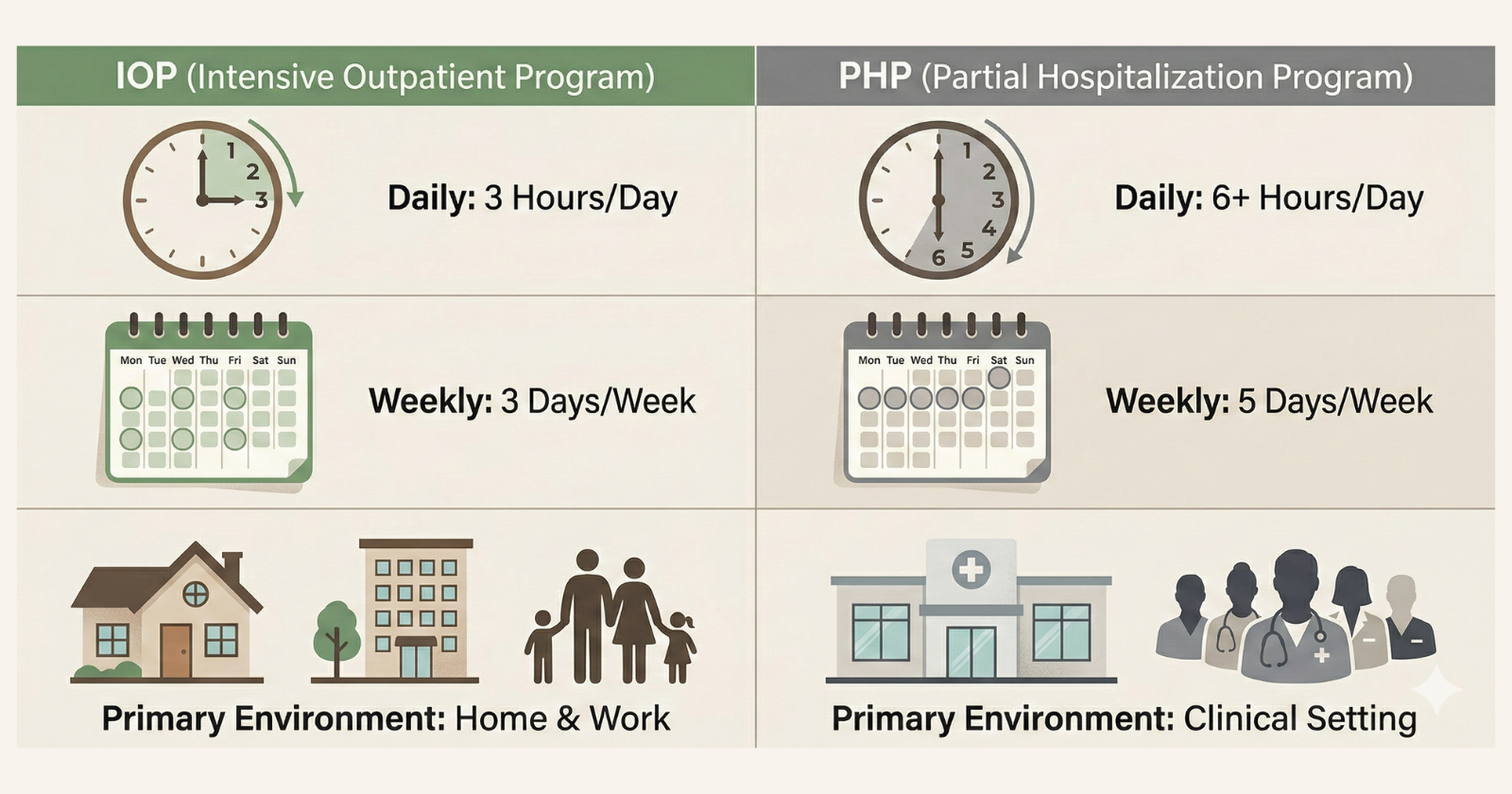
For many neurodivergent adults, the search for mental health support is a cycle of hope followed by frustration. You find a therapist, you show up, you try to “do the work,” yet you leave feeling more exhausted and less understood than when you started. You might even begin to internalize the idea that you are “un-therapizable” or that something is inherently wrong with you.

The problem usually is not the patient; it is the framework. Standard “talk therapy” was largely developed by neurotypical clinicians for neurotypical brains. When applied to someone with ADHD, Autism, or Auditory Processing Disorder without significant modification, it doesn’t just fail. It can cause what we call “therapy trauma.” This trauma stems from repeated experiences of invalidation, misunderstanding, and the pressure to conform to neurotypical norms even within a supposed safe space. At our facility, we have dismantled the standard model to build something that actually works for the way your brain is wired, affirming your unique strengths.

serene, dimly lit therapy room featuring a mid-century modern armchair, a soft blue weighted blanket, noise-canceling headphones on a wooden side table, and a warm floor lamp creating a calming, neuro-affirming atmosphere.

The Problem: The “Neurotypical Tax” in Traditional Therapy

In standard therapy, there is often a heavy emphasis on things like “just staying organized,” “maintaining eye contact,” or “identifying the emotion in your body.” For a neurodivergent person, these tasks can feel less like therapeutic tools and more like a performance. This is known as masking. Masking is the act of suppressing natural neurodivergent behaviors and adopting neurotypical ones to fit in or avoid negative judgment. It is an exhausting, lifelong process that drains cognitive and emotional resources.

When a neurodivergent adult has to mask during a therapy session just to seem “compliant” or “normal,” they are using up all their cognitive energy. They are not actually healing; they are performing. This performance prevents genuine self-expression and inhibits the deep, vulnerable work that therapy requires. The “neurotypical tax” refers to the extra effort, stress, and energy neurodivergent individuals expend daily to navigate a world primarily designed for neurotypical brains. In therapy, this tax means paying in exhaustion and emotional dysregulation for a service that should be restorative.

5 Core Reasons Why Traditional Talk Therapy Often Misses the Mark for Neurodivergent Adults

Traditional therapy, while effective for many, often presents significant barriers for neurodivergent individuals due to its inherent assumptions about cognitive processing, communication styles, and sensory experiences.

  1. Over-Reliance on Executive Function: Traditional Cognitive Behavioral Therapy (CBT) and Dialectical Behavior Therapy (DBT) often require high-level executive function skills. This includes organizational tasks, consistent homework completion, rigid scheduling, and meticulous tracking of thoughts and emotions. For someone with ADHD, Autism, or other executive function challenges, this can be overwhelming. Failing at therapy homework feels like one more piece of evidence that they “can’t get it right,” reinforcing existing self-critical narratives and leading to burnout or disengagement. The very tools meant to help can become another source of failure.

  2. Sensory Overload: Many therapy offices are sensory nightmares for neurodivergent individuals. Fluorescent lights, the hum of air conditioning, ticking clocks, strong air fresheners, scratchy fabrics on furniture, or even the subtle scent of the therapist’s perfume can trigger a fight or flight response. When the sensory system is overwhelmed, the brain’s capacity for emotional regulation and cognitive processing is severely diminished. It becomes impossible to engage in deep therapeutic work when the environment itself is a source of distress.

  3. Invalidation of Sensory Needs and Self-Regulation: A neurotypical therapist might misinterpret “stimming” (self-stimulatory behaviors like fidgeting, rocking, or repetitive movements) as a sign of anxiety to be “fixed” or suppressed. However, for a neurodivergent person, stimming is a vital, often unconscious, tool for self-regulation, managing sensory input, expressing emotion, or focusing attention. Attempts to suppress stimming in therapy can remove a crucial coping mechanism, leading to increased internal distress and a feeling of being misunderstood or even punished for natural behaviors.

  4. Neurotypical Communication Styles as the Default: Traditional therapy often relies on specific communication norms, such as reciprocal eye contact, understanding subtle social cues, interpreting metaphors, and engaging in free-form emotional expression. For many autistic individuals, direct eye contact can be physically uncomfortable or distracting, while literal interpretation of language can lead to confusion. For those with ADHD, maintaining a linear narrative or processing complex verbal instructions can be challenging. When these neurodivergent communication styles are not accommodated, sessions become frustrating, and valuable insights are missed.

  5. Focus on “Fixing” Differences Instead of Accommodating Them: A fundamental flaw in traditional therapy, when applied to neurodivergence, is the underlying assumption that neurodivergent traits are symptoms of a disorder to be cured, rather than natural variations in brain functioning. This perspective often leads to therapeutic goals aimed at making the neurodivergent individual “more neurotypical” rather than helping them thrive within their own neurotype. This approach can be deeply invalidating, fostering shame and eroding self-acceptance, which are antithetical to genuine healing.


What We Do Instead: The Neuro-Affirming Approach to Therapy

We believe that neurodivergence is a difference to be accommodated, celebrated, and understood, not a deficit to be cured or corrected. Our approach is built on three pillars that prioritize your brain’s comfort, safety, and authentic self-expression. We create an environment where you can finally unmask and truly engage in self-discovery.

1. Sensory-Forward and Flexible Environments

We do not expect you to sit still in a rigid chair under bright, buzzing lights. Our spaces are meticulously designed with sensory regulation in mind. We offer “dimmer” lighting options, natural light, and quiet zones. Fidget tools, weighted blankets, and comfortable seating are not treated as distractions but as essential components for optimal regulation and focus. If pacing helps you think, we encourage you to pace. If you need to recline, we provide that option. The goal is to minimize environmental stressors so your brain can allocate its full energy to therapeutic work. This extends to soundscapes, offering noise-canceling headphones or calming ambient sounds.

2. Concrete Strategy Over Vague Reflection

While “how does that make you feel?” has its place, neurodivergent brains often crave concrete systems, clear expectations, and actionable strategies. We focus on Executive Function Coaching alongside emotional support. This means we help you build external systems that work with your brain’s natural dopamine pathways and unique processing style, rather than trying to force you into a neurotypical planner or rigid schedule that will inevitably lead to failure and self-blame. We help you deconstruct tasks, identify your personal motivators, and create customized routines that are sustainable. This might involve visual schedules, body doubling, or breaking down goals into micro-steps that are genuinely achievable.

3. Permission to Unmask and Authentic Connection

The most important thing we do is provide a space where you do not have to pretend to be someone you are not. We understand that “eye contact” does not always equal “listening,” and we prioritize your comfort over rigid social norms. We validate your experiences and sensory preferences. This profound safety allows for true emotional processing because your brain is not busy trying to “act normal.” We foster a therapeutic relationship built on acceptance, trust, and a deep understanding of your neurotype, allowing you to bring your full, authentic self to each session. This is where real healing begins – when you are truly seen and valued for who you are.

4. Specialization in Neurodivergent Communication

Our therapists are trained in neurodivergent-affirming communication styles. This means we avoid jargon, use clear and direct language, check for understanding regularly, and respect diverse ways of expressing thoughts and feelings. We understand that processing speed, literal interpretation, and non-verbal cues can differ significantly. We adapt our communication to yours, rather than expecting you to adapt to ours. This creates a more equitable and effective therapeutic dialogue.

5. Embracing Neurodiversity as a Strength

Ultimately, our approach shifts from a deficit model to a strengths-based perspective. We recognize that neurodivergent traits often come with incredible strengths: unique problem-solving abilities, intense focus, creativity, honesty, and a profound sense of justice. Therapy with us is not about eliminating your neurodivergent traits but about understanding them, integrating them into a positive self-concept, and building strategies to thrive in a neurotypical world while celebrating your authentic self. We help you identify and leverage your strengths, turning perceived weaknesses into powerful assets.

The exterior entrance of Lucent Recovery and Wellness in Austin, featuring professional signage and a modern, welcoming stone and glass building facade.


Tips for Finding the Right Support

If you are looking for therapy that truly respects your neurotype, it is crucial to ask specific questions during your initial consultation. These questions can help you gauge a therapist’s understanding and approach to neurodivergent care:

  • “Are you familiar with the concept of neuro-affirming care and neurodiversity?”

  • “How do you typically accommodate executive dysfunction or sensory sensitivities in your treatment plan?”

  • “What is your stance on masking or stimming during sessions? Do you encourage or discourage these behaviors?”

  • “Do you have experience working with ADHD, Autism, or other specific neurotypes I identify with?”

  • “How do you ensure your communication style is effective for neurodivergent individuals?”

Your Brain is Not Broken

The world was not built for you, but your therapy should be. If you have felt like a “failed” patient in the past, it is time to try a model that speaks your language and honors your unique brain. We are here to help you navigate a neurotypical world without losing yourself in the process, supporting you in building a life that truly fits you.

Healing and recovery at Lucent Recovery and Wellness

Reviewed by Chris Hudson, LPC, LCDC

Founder & Executive Director – Lucent Recovery and Wellness, Austin, TX (2020–Present)
Leads clinical programs and develops innovative therapeutic approaches integrating experiential and creative therapies.

Board Member – Reklaimed, Austin, TX
Supports recovery-focused nonprofit initiatives fostering community and creative skill-building.

Clinical Leadership Roles – South Meadows Recovery, Inc.
Held leadership positions overseeing program development, clinical operations, and organizational management.

EDUCATION & CREDENTIALS

  • M.A., Clinical Mental Health Counseling – Seminary of the Southwest (2021)
  • B.A., Studio Art – Lewis & Clark College (2004)
  • Licensed Professional Counselor (LPC), Texas
  • Licensed Chemical Dependency Counselor (LCDC), Texas

Transitioning into an Intensive Outpatient Program (IOP) marks a significant shift in your recovery. For many, it is the first time they are balancing high-level clinical support with the responsibilities of daily life, such as work, school, or family. While residential care or a Partial Hospitalization Program provides a fully controlled environment, IOP is about integration. It is the bridge that leads you back to a full, independent life while keeping your safety net intact.

Because IOP is less time-intensive than other programs, the first 24 hours are less about settling in and more about strategic application. We ensure your first day provides the specific tools you need to remain stable while you are away from the facility. Here is what your first 24 hours will look like in our Austin program.

Understanding the IOP Philosophy: Why the First Day is Different

IOP is designed for the individual who has achieved a level of stability but still requires the structure of a clinical team. The primary goal of the first 24 hours is to establish a routine that protects your recovery during the hours you are not at the clinic. This is often the most vulnerable time for someone in early sobriety. By the end of your first day, the goal is to feel empowered rather than overwhelmed by your new schedule.

Many people arrive at their first day wondering if they can truly handle the freedom that comes with outpatient care. The first day is specifically structured to answer that question with a resounding yes. It is a period of intense observation, planning, and peer connection that sets the foundation for everything that comes after.

Hour 1 to Hour 2: The Focused Orientation and Goal Setting

Your first day of IOP usually begins with a structured orientation. Unlike the long intake process of a residential program, this session is fast-paced and focused on logistics. You will head straight into a meeting with an admissions coordinator or a case manager to finalize your treatment agreement.

During this hour, we review your specific schedule. Because IOP is flexible, we confirm which days and times you will be on-site. We also discuss your support map. This includes identifying the people in your life who are currently helping your recovery and those who might be a risk. You will meet your primary IOP counselor, who will be your point of contact as you navigate the challenges of being out in the world more frequently.

This orientation also covers the ground rules of the community. You will learn about our expectations for attendance, the importance of a drug-free environment, and how we handle emergencies after hours. This hour is meant to provide a sense of security. You are not just being released back into your life; you are being given a blueprint for how to live it successfully.

Patient and counselor reviewing an IOP treatment schedule at a recovery center.


Hour 3 to Hour 5: The Core Therapy Block and Peer Connection

In IOP, the therapy blocks are concentrated and purposeful. You will immediately join a group session. These sessions are highly interactive and focus heavily on relapse prevention and social skill building.

Groups in IOP are designed for real-time problem solving. You will discuss the stressors you faced that morning before you arrived. You will receive feedback from peers who are also navigating the balance of recovery and daily responsibility. This block is intense because it is meant to give you a boost of support that carries you through the next several days. This is where you realize that your struggle with work-life balance or family dynamics is shared by others.

Peer connection is the heartbeat of the IOP experience. In a residential setting, you are surrounded by people 24 hours a day. In IOP, the few hours you spend together each day must be high-impact. You will learn how to listen, how to offer support, and how to ask for help when you feel a craving or a trigger starting to build. This sense of community is what prevents the isolation that often leads to setbacks.

Small group therapy session for Intensive Outpatient Program in Austin.


Hour 6 to Hour 12: The Real-World Application Phase

Once your session ends, your time at the facility is over for the day, but your first 24 hours continue. This is the most critical part of an Intensive Outpatient Program.

As you drive home or head to your place of work, you will likely feel a mix of relief and vulnerability. This is the application phase. You are now tasked with taking the boundary-setting skills or breathing techniques you just learned and applying them to your environment immediately.

Your first evening at home after starting IOP is about environment auditing. You will look at your surroundings through the lens of your new recovery goals. You might realize that certain rooms or habits are triggers. This phase of the first 24 hours is about making small, physical adjustments to ensure your home remains a sanctuary. We encourage clients to use this time to set up a dedicated quiet space for reflection or meditation. This helps create a mental boundary between the stress of the day and the safety of your recovery journey.


Hour 13 to Hour 24: Reflection and Recovery Maintenance

The final half of your first day in IOP happens during your normal routine. Whether you are waking up for work the next morning or taking care of family, the goal is consistent awareness.

You will practice using the check-in method we taught you during your first session. This involves pausing three times throughout the day to assess your stress levels. Are you hungry, angry, lonely, or tired? By the time you reach the 24-hour mark, you have successfully integrated a high level of clinical care into your normal life. You have proven that you can be in the world without being of the world in a way that compromises your sobriety or mental health.

This period is also about physical recovery. Many people find that they need extra sleep during the first few days of IOP as their brain adjusts to the new social and emotional demands. Honoring your body’s need for rest is a key part of the maintenance phase. By the time you return for your second day, you will have a list of real-world experiences to discuss with your therapist.

A vertical timeline titled "The First 24 Hours of IOP: A Step-by-Step Timeline.


Tips for a Successful First 24 Hours in IOP

To get the most out of your first day, we recommend a few specific strategies:

  1. Clear Your Calendar: If possible, do not schedule high-stress meetings or difficult family conversations on your very first day of IOP. Give your brain space to process the therapy sessions.

  2. Be Honest in Group: The faster you are honest about your current cravings or fears, the faster the group can help you build a defense against them.

  3. Keep Your Journal Close: The transition from the clinic to home often brings up fleeting thoughts that are important to discuss in your next session. Write them down as they happen.

  4. Hydrate and Nourish: Mental work is physical work. Ensure you are eating regular, balanced meals during your first 24 hours to keep your mood stable and your energy high.

Why the First 24 Hours Matter for Long-Term Success

The first day sets the tone for your entire journey. It is the proof of concept for your recovery. It shows you that you do not need to be in a locked facility to stay healthy. You have the power to make good choices while living your life. This realization is the most powerful tool you will gain during your time in an Intensive Outpatient Program.

Our team understands the unique stressors that come with living in a fast-paced environment. We do not just give you a seat in a room; we give you a roadmap for your life. If you are ready to see how an IOP can fit into your busy life, we are here to help you navigate the first 24 hours and every day that follows.

Reviewed by Chris Hudson, LPC, LCDC

Healing and recovery at Lucent Recovery and Wellness

Reviewed by Chris Hudson, LPC, LCDC

Founder & Executive Director – Lucent Recovery and Wellness, Austin, TX (2020–Present)
Leads clinical programs and develops innovative therapeutic approaches integrating experiential and creative therapies.

Board Member – Reklaimed, Austin, TX
Supports recovery-focused nonprofit initiatives fostering community and creative skill-building.

Clinical Leadership Roles – South Meadows Recovery, Inc.
Held leadership positions overseeing program development, clinical operations, and organizational management.

EDUCATION & CREDENTIALS

  • M.A., Clinical Mental Health Counseling – Seminary of the Southwest (2021)
  • B.A., Studio Art – Lewis & Clark College (2004)
  • Licensed Professional Counselor (LPC), Texas
  • Licensed Chemical Dependency Counselor (LCDC), Texas