What Makes One PHP Program Different From Another? Comparing Standard PHP vs PHP With Housing and Wrap around Support
How Housing, Active Case Management, and Support Outside Program Hours Change What PHP Actually Provides
Authored by the Clinical Team at Lucent Recovery and Wellness
Reviewed by Chris Hudson, MA, LPC, LCDC
A Partial Hospitalization Program, or PHP, is the highest level of outpatient mental health treatment. Knowing how a program fits within the levels of care for mental health is important, but it does not give insight into something critical for people seeking treatment to understand: two PHP programs can offer the same level of care while providing very different levels of support outside the treatment day.
That difference matters because many people do reasonably well while they are in programming. The harder part is what happens after they leave. They may return to the same home environment, lack of routine, practical demands, and gaps in support that made stability difficult before treatment began. For people stepping down from inpatient treatment, what happens during the unstructured hours outside clinical programming often determines whether progress continues or whether they drift back toward instability or crisis.
All PHP programs are built around a structured and supportive clinical day. Some PHP programs extend that support with housing, more active case management, coaching, and help that continues outside programming hours. A partial hospitalization program with transitional housing can make a difference for people whose needs exceed a typical day-treatment model but do not require inpatient care.
Standard PHP vs PHP With Housing and Wraparound Support: Quick Answer
Standard PHP provides intensive treatment during the day. PHP with housing and wraparound support provides that same level of treatment, along with more support for what happens before, after, and between program days.
In a standard PHP model, a person returns to their usual home environment once programming ends. In a PHP model with housing and wraparound support, treatment is reinforced outside program hours through a stable and supportive environment, more active case management, and more support for the real-world stressors of daily life.
For people who have repeatedly done well in structured settings and then lost ground once that structure drops away, the difference can be substantial.
Why Two PHP Programs Can Feel Very Different in Real Life
When people compare treatment programs, the focus is often on the level of care. Websites often explain whether a program is inpatient, residential, PHP, or IOP. Comparing treatment options by level of care is important, but it does not answer a practical question that can significantly impact the outpatient treatment experience: what happens when the clinical day is over?
A person can participate well at the PHP level of care during program hours and still struggle once they return home. The concepts, strategies, and support offered during treatment may be well received, but the difficulty is maintaining stability during the hours when applying those skills is left to the individual. When the home environment feels chaotic, routines are inconsistent, appointments are hard to manage, or follow-through depends on a level of organization a person does not currently have, the benefit of a strong treatment day can be difficult to maintain in everyday life.
Standard PHP can provide a strong clinical day while still leaving a person with a sharp drop-off in support during evenings and weekends. PHP with housing and wraparound care can provide that same clinical day while also offering more support around housing, case management, and the practical demands that affect whether treatment holds between program days.
For people stepping down from inpatient or residential care, that difference can be especially important. Regression and instability do not typically return because the programming itself was lacking. More often, they reemerge because the transition from a higher level of care back into ordinary life asks more of a person than they can reliably manage without additional support.
Learn more about how program structure can be adapted to meet individual needs within the same level of care.
What Standard PHP Usually Includes
Standard PHP is designed to provide the highest level of outpatient services in mental health treatment without requiring 24-hour inpatient care. It typically includes 4 to 6 hours of programming per day, 5 days per week, along with group therapy, individual therapy sessions, psychiatric care, medication management as needed, and regular clinical oversight.
The PHP level of structure can be a meaningful step up from weekly therapy or a lower level of care. In most standard PHP models, the primary focus is the treatment day itself. A person attends programming, participates in PHP treatment, meets with clinicians as needed, and returns home when the day is over.
Case management is typically part of the program, but support outside programming is usually less active and less hands-on than in a PHP model built around housing and wraparound care. PHP describes the intensity of the clinical program, but it does not fully describe how much support exists outside treatment hours.
What PHP With Housing and Wraparound Support Adds
A partial hospitalization program with housing and wraparound support provides the same level of outpatient treatment during the day while adding more support around what happens outside program hours. The clinical core remains PHP, but the program is better able to address the needs of the whole person.
What is Transitional Housing and How Does it Help?
Transitional housing is a treatment-aligned living environment that offers stability, routine, and ongoing support while a person works toward greater independence in daily life.
Housing changes the environment a person returns to when programming ends. Instead of returning to the same sources of instability, lack of routine, or pressures that have already made progress difficult to maintain, clients return to a more structured environment. A supportive housing setting includes staff and other residents who help reinforce treatment gains, create opportunities for peer support, and provide a more supportive environment for daily follow-through.
What is Wraparound Support and How Does it Help?
Wraparound support is a coordinated layer of services built around treatment that helps people manage the practical daily-life demands that affect progress outside the therapy room.
Wraparound support changes how the practical side of recovery is managed. Actively engaged case management, coaching, and coordination can help with appointments, transportation, routines, communication across providers, and other day-to-day demands that often interfere with progress. The program takes a more active role in supporting follow-through, skill-building, and overall well-being. Coaching can also provide accountability and active companionship as people begin reconnecting with ordinary life through leisure, activities, exercise, and hobbies.
Standard PHP vs PHP With Housing and Wraparound Support: Side-by-Side Comparison
Both models can provide PHP-level treatment during the day. The difference is how much support exists around the treatment day itself, including the living environment, the continuity of care outside program hours, and the amount of help with follow-through between program days.
| Comparison Area | Standard PHP | PHP With Housing and Wraparound Support |
|---|---|---|
| Core treatment day | Therapy, groups, psychiatric support, and structured programming during program hours | Therapy, groups, psychiatric support, and structured programming during program hours |
| What happens after programming ends | The person returns to their usual home environment | Support continues outside program hours through housing, staff support, and coordination |
| Living environment | The living environment remains outside the program | A stable and supportive living environment is part of the program |
| Daily structure outside treatment | Daily structure outside treatment is left to the person and their home environment | Active assistance with creating daily structure and accountability outside of treatment hours |
| Case management | Case management is present but usually less active and less hands-on outside programming | Case management is more active, integrated, and hands-on across treatment, daily life, and outside services |
| Practical follow-through | Appointments, transportation, routines, and next steps are supported less directly and are more often left to the person | The program more actively supports appointments, transportation, routines, and next steps |
| Communication across care | The person carries more of the burden of keeping providers and services connected | The program plays a more active role in coordinating care across providers and services |
| Support between treatment days | Support is centered more on the treatment schedule itself | Progress is reinforced with additional check-ins, coaching sessions, planned activities, and active coordination of services |
| Bridge back to independent living | Intensive treatment is provided during the day | Intensive treatment is provided during the day with customized support that fills the gaps where more skills, planning, or resources need to be developed outside of treatment |
| Overall focus | Intensive treatment during the day | Intensive treatment during the day plus more support around daily life |
What Happens After the Treatment Day Ends
In a standard PHP model, a person leaves treatment and returns to their usual home environment. If that environment is stable and supportive, that may be enough. If it is inconsistent, isolating, chaotic, or poorly structured, much of the burden of maintaining progress falls back on the individual once the clinical day is over.
That is often where problems begin. A person may participate well in treatment, understand what is being asked of them, and still struggle to hold onto it in the evening, overnight, or across the weekend. Medications may become inconsistent. Sleep can become irregular. Appointments, routines, and follow-through can start slipping. For people managing significant mental health challenges, the issue is often the absence of enough support once the treatment day ends.
In a PHP program with housing and wraparound support, there is more continuity after programming. Support continues outside program hours through a more stable living environment, more active accountability, and more help from the treatment team in carrying treatment into the rest of daily life.
How Housing Changes the Experience of PHP
Housing changes the context in which treatment is taking place.
In a standard PHP model, a person may have a strong treatment day and still return each evening to the same environment that has been contributing to instability. That can mean conflict at home, lack of routine, isolation, poor sleep, limited accountability, or simply too much unstructured time without enough support. Even when the treatment experience is clinically meaningful, the environment outside programming can make it harder to maintain progress for people living with serious mental health conditions.
A PHP program with housing support changes that part of the equation. Instead of returning to the same setting each day, the person returns to a more structured living environment that continues to support recovery outside treatment hours. That can create more consistency around medication, sleep, meals, transportation, routines, and preparation for the next day. Relationships with other residents can become an important source of support and momentum when people are working toward similar goals and a shared understanding is part of daily life.
Housing can also make the transition back toward independent living more realistic. Many people do not need inpatient care, but they are not yet ready to carry the full weight of independent living without additional support. A structured housing setting helps bridge that gap and can be important not only for short-term progress, but for long-term recovery.
How More Active Case Management Changes the Experience of PHP
Case management is often part of PHP. The difference is not whether it exists, but how actively engaged it is outside the treatment day.
In a standard PHP model, case management may help with planning, referrals, and coordination, but much of the responsibility for follow-through still falls on the individual. A person may still be the one keeping track of appointments, managing transportation, handling paperwork, staying on top of medications, communicating with outside providers, and trying to organize the practical parts of life that affect treatment.
A PHP program with housing and wraparound support takes a more active role in those areas. Case management becomes more integrated into the overall treatment process, with more direct coordination of services, more hands-on help with logistics, more frequent check-ins around follow-through, and more help identifying problems before they become setbacks, all in response to a person’s individual needs.
Case management and coaching can have a major impact because many people are not only managing mental health issues. They are also trying to keep up with the practical demands of life outside program hours. When that burden exceeds a person’s resources, progress can start to slip even when the person is participating well in programming. A more active form of case management helps reduce that gap by helping people stay organized, connected, and engaged with the practical work of recovery outside the therapy room.

Why Program Design Matters Even Within the Same Level of Care
At Lucent Recovery and Wellness, we have seen the addition of housing and wraparound support make a substantial difference for our clients. Many have already shown that they can engage in treatment when structure is present. The harder question is whether they have enough support to maintain that progress when the day ends, the weekend comes, or the next transition begins. We have found that housing and wraparound support can help facilitate a smoother step down into the IOP level of care as well.
Although direct research on PHP with housing, coaching, and active case management is limited, evidence does support the value of these components in mental health care. Intensive case management has been shown to reduce hospital use, improve retention in care, and improve social functioning. Peer support has been shown to improve personal recovery and self-efficacy, and supportive housing for non-homeless people with severe mental illness has shown favorable social, clinical, and cost outcomes. Together, these findings support the role of added structure, coordination, and support outside formal treatment hours.
Understanding these program-level differences is an important first step, but choosing the right level of care and support still requires a clinical assessment by a mental health professional. For individuals and family members trying to understand the right next step for themselves or a loved one, learning how our clinicians determine the appropriate level of care can help provide clarity.
To understand the client profile this support model is designed for, see who needs transitional housing and wraparound support while attending mental health PHP.
Frequently Asked Questions
Are all PHP programs basically the same?
No. Two programs can both be PHP while offering very different levels of support outside the treatment day. The clinical schedule may look similar, but the amount of help with housing, case management, accountability, and daily follow-through can vary significantly from one program to another.
Is PHP with housing a different level of care?
No. It is still PHP. The difference is that the program includes more support around what happens outside treatment hours in addition to the clinical day itself, rather than functioning more like an Intensive Outpatient Program or another lower level of care.
Does standard PHP include case management?
Usually, yes. The difference is not whether case management exists, but how active it is. In a standard PHP model, case management is often lighter and less hands-on outside programming. In a PHP model with housing and wraparound support, it is typically more active and more integrated into daily follow-through.
Why does housing make such a difference in PHP?
Housing affects the environment a person returns to once programming ends. A more stable setting can support sleep, routine, medication consistency, transportation, accountability, and follow-through. When the environment is more supportive, it becomes easier to maintain progress outside the therapy room.
What does wraparound support mean in a PHP program?
It means the program provides more support around daily life in addition to treatment during program hours. That can include housing, more active case management, coaching, additional check-ins, planned activities, and closer coordination of services between treatment days. Depending on individual needs, support may complement therapies such as Cognitive Behavioral Therapy, Dialectical Behavior Therapy, or other forms of trauma-informed care.
References
Dieterich, M., Irving, C. B., Bergman, H., Khokhar, M. A., Park, B., & Marshall, M. (2017). Intensive case management for severe mental illness. The Cochrane database of systematic reviews, 1(1), CD007906. https://doi.org/10.1002/14651858.CD007906.pub3
Egmose, C. H., Poulsen, C. H., Hjorthøj, C., Mundy, S. S., Hellström, L., Nielsen, M. N., Korsbek, L., Rasmussen, K. S., & Eplov, L. F. (2023). The effectiveness of peer support in personal and clinical recovery: Systematic review and meta-analysis. Psychiatric Services, 74(8), 874–882. https://doi.org/10.1176/appi.ps.202100138
Mötteli, S., Adamus, C., Deb, T., Fröbel, R., Siemerkus, J., Richter, D., & Jäger, M. (2022). Independent supported housing for non-homeless people with serious mental illness: A pragmatic randomized controlled trial. Frontiers in Psychiatry, 12, Article 798275. https://doi.org/10.3389/fpsyt.2021.798275
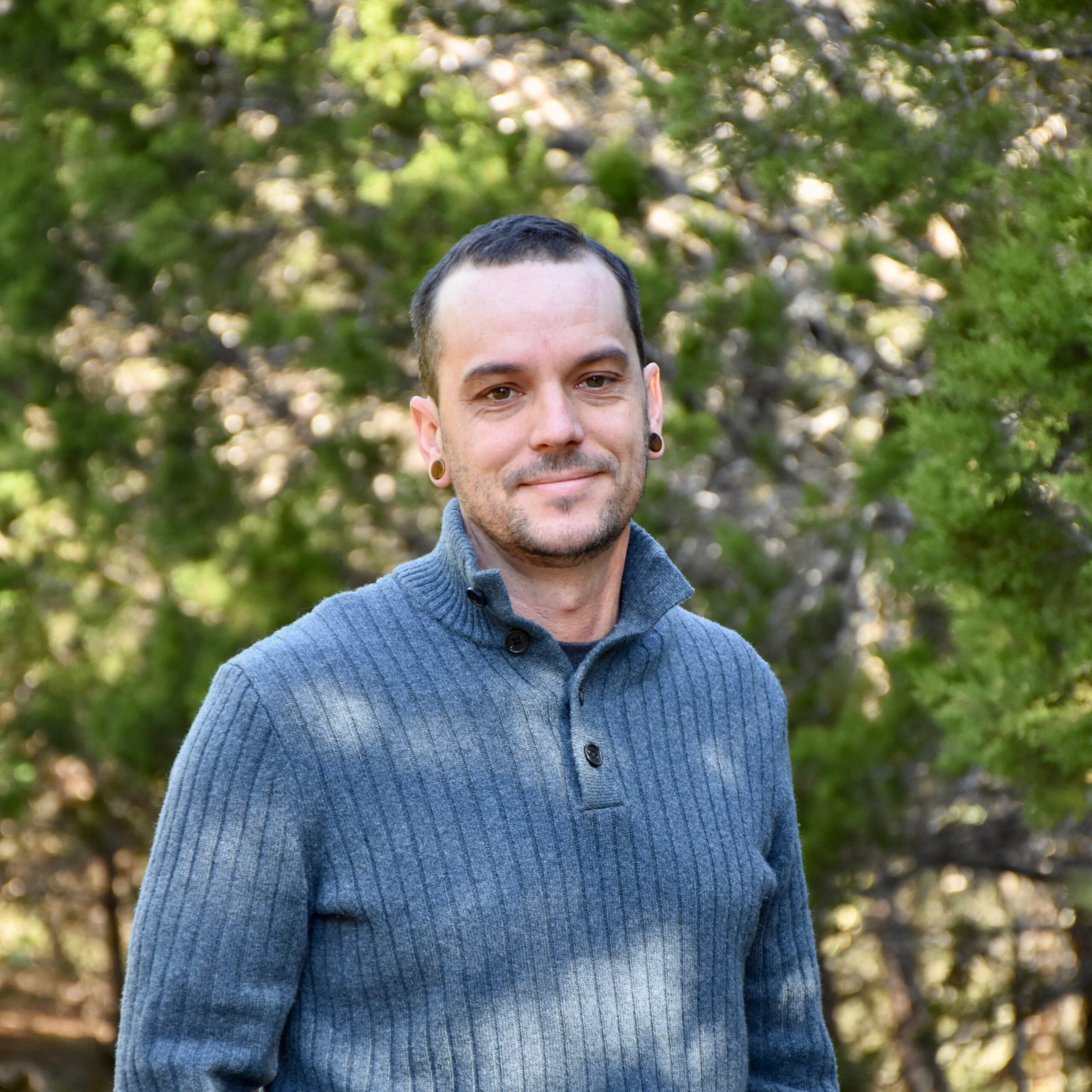
Reviewed by Chris Hudson, LPC, LCDC
Founder & Executive Director – Lucent Recovery and Wellness, Austin, TX (2020–Present)
Leads clinical programs and develops innovative therapeutic approaches integrating experiential and creative therapies.
Board Member – Reklaimed, Austin, TX
Supports recovery-focused nonprofit initiatives fostering community and creative skill-building.
Clinical Leadership Roles – South Meadows Recovery, Inc.
Held leadership positions overseeing program development, clinical operations, and organizational management.
EDUCATION & CREDENTIALS
- M.A., Clinical Mental Health Counseling – Seminary of the Southwest (2021)
- B.A., Studio Art – Lewis & Clark College (2004)
- Licensed Professional Counselor (LPC), Texas
- Licensed Chemical Dependency Counselor (LCDC), Texas