Who Needs Transitional Housing and Wraparound Support While Attending Mental Health PHP?
How Housing, Active Case Management, and Support Outside Program Hours Change What PHP Actually Provides
Authored by the Clinical Team at Lucent Recovery and Wellness
Reviewed by Chris Hudson, MA, LPC, LCDC
Transitional housing and wraparound support while attending mental health PHP may be needed when a person requires daily PHP-level treatment, but also needs active support outside treatment hours because independent living, routines, appointments, medication consistency, or follow-through are not stable enough on their own.
This added support often fits people who no longer need inpatient care or 24-hour supervision, but are not yet ready to manage the demands of independent living without closer monitoring, support, and timely intervention outside the treatment day.
Quick Answer: Who Needs Transitional Housing and Wraparound Support While Attending Mental Health PHP?
Transitional housing and wraparound support while attending mental health PHP may be needed when a person requires the daily therapeutic structure of PHP and also needs help maintaining stability in the hours before, after, and between treatment days.
Transitional housing and wraparound support may be needed during mental health PHP when:
- PHP-level treatment is clinically necessary, but the treatment day alone is not enough to support functional stability
- Repeated transitions out of inpatient care for bipolar disorder, schizophrenia, or schizoaffective disorder have resulted in destabilization despite continued outpatient treatment
- the person can remain safe outside inpatient care, but safety risks have the potential to emerge without closer monitoring, support, and timely intervention
- independent living tasks such as medications, appointments, meals, sleep, transportation, or daily routines require active support rather than passive planning or recommendations
- the person has done better in structured settings but repeatedly lost stability when support dropped too quickly
- the current living environment is unsafe, chaotic, isolating, unsupported, or too unstructured to support progress
- family or other supports are limited, strained, overburdened, or not able to provide enough structure consistently
- the person can participate in PHP programming, but needs more support to follow through outside clinical hours
- inpatient or residential treatment is no longer necessary, but independent living is not yet realistic without a more supported transition
The added transitional housing and wraparound decision depends on whether life outside the treatment day can support progress, not simply on the diagnosis or the PHP level itself.
The Bridge Between Inpatient Care and Independent Living
Many people who need transitional housing and wraparound support while attending PHP are in the difficult middle stage after inpatient or residential treatment. They no longer need 24-hour supervision, but returning directly to independent living would reduce support too quickly.
A person may be stable enough to leave inpatient care and still not be ready to manage medications, appointments, transportation, meals, sleep, family stress, and daily routines without more help.
In our experience, this transition can look reasonable on paper before it is workable in real life. A discharge plan may list appointments, medications, coping strategies, and follow-up care, but those pieces still require someone to organize a day, tolerate unstructured time, ask for help early, and follow through before small problems become larger ones.
Transitional housing and wraparound support during PHP can serve as a bridge in that gap. The clinical day remains intensive, but support also extends into the parts of life where previous transitions have broken down. This support helps a person practice independence with enough structure around them for progress to become more durable before they are expected to sustain it alone.
The Profile of Someone Who Needs Transitional Housing and Wraparound Support During PHP
Many people who need transitional housing and wraparound support during PHP can participate meaningfully in treatment during the day, but struggle to hold onto progress once the treatment day ends.
They may do well in a structured setting. They may attend groups, engage with clinicians, understand the treatment plan, and appear more stable while support is close at hand. The harder part often begins later: in the evening, overnight, across weekends, or during the unstructured parts of daily life when they are expected to manage everything independently again.
This may look like medications becoming inconsistent, appointments being missed, sleep schedules deteriorating, meals becoming irregular, or transportation and daily planning becoming difficult to organize. A person may isolate after programming, return to a chaotic home environment, become overwhelmed by ordinary tasks, or lose momentum as soon as there is no one nearby helping them translate treatment into real life.
Family members may also be exhausted from functioning as the entire support system, even when they care deeply and want to help. In those situations, the problem is not only the person’s symptoms. It is that the support system around them may not be able to provide the amount of structure the transition requires.
A person who fits this profile may not need inpatient care. They may be safe enough to live outside a hospital and capable of participating in PHP. But they may still need active help rebuilding the practical parts of life that allow treatment to hold: waking up, taking medication, getting to appointments, eating regularly, managing transportation, following through with outside providers, tolerating evenings and weekends, and gradually practicing greater independence with support still available.
Transitional housing and wraparound support during PHP may be needed when the clinical level of care is right, but life outside the treatment day still requires more structure than independent living can provide.
Clinical Criteria That Support Adding Transitional Housing and Wraparound Support to PHP
Mental health professionals do not usually recommend adding transitional housing and wraparound support to PHP based on diagnosis alone. They consider how symptoms affect safety, daily functioning, participation, recovery environment, support needs, and the person’s ability to maintain progress outside treatment hours. A level of care assessment is the first step in determining whether this configuration of support is appropriate.
The assessment should clarify whether PHP alone is enough, or whether added transitional housing and wraparound support are needed for progress to hold outside treatment hours. Transitional housing and wraparound support may be appropriate during PHP when inpatient or residential treatment is not clinically necessary, but standard PHP without additional environmental and practical support is not enough to sustain stability.
| Decision Domain | What Supports Adding Transitional Housing and Wraparound Support to PHP |
|---|---|
| Safety and risk | Safety can be managed outside inpatient care, but safety risks have the potential to emerge without closer monitoring, support, and timely intervention outside treatment hours. |
| Symptom severity | Symptoms require PHP-level daily structure plus reinforcement outside the treatment day so progress does not fade during unstructured time. |
| Daily functioning | Independent living tasks, routines, appointments, medication consistency, meals, sleep, transportation, or follow-through require active monitoring, support, and intervention rather than passive planning or recommendations. |
| Co-occurring complexity | Mental health, substance use, psychiatric, medical, legal, family, or practical needs require active coordination across providers and supports. |
| Recovery environment | The current living environment is unsafe, chaotic, isolating, unsupported, or too unstructured to support progress outside the treatment day. |
| Support system | Family, peers, or outside supports may be limited, strained, overburdened, or unable to provide enough structure consistently. |
| Engagement and participation | The person can participate in PHP programming, but needs support to follow through outside clinical hours and during transitions, evenings, weekends, or unstructured time. |
| Treatment history | The person may have done well in structured settings but repeatedly lost stability after returning to independent living, less supported care, or a recovery environment that could not hold progress. |
When Transitional Housing and Wraparound Support During PHP Is Usually Not the Right Fit
Transitional housing and wraparound support during PHP is not usually appropriate when someone’s needs can be safely and effectively met with less intensive support, or when their needs are too acute to be managed outside 24-hour care.
For some people, standard PHP may be enough. They may have stable housing, enough support outside treatment, and the ability to use that support on their own. They may be able to manage medications, transportation, appointments, meals, sleep, and daily routines without active intervention between treatment days.
For others, transitional housing and wraparound support during PHP may still not provide enough supervision. Transitional housing and outpatient support are not substitutes for inpatient or residential treatment when 24-hour care is clinically necessary.
Transitional housing and wraparound support during PHP may not be the right fit when:
- standard PHP, IOP, or weekly outpatient therapy can safely and effectively meet the person’s needs
- the person has a stable living environment, enough support, and can utilize that support independently
- daily routines, medications, appointments, meals, transportation, and follow-through can be managed without active monitoring or intervention
- housing or coaching would be helpful but is not clinically necessary at this level of intensity
- safety cannot be maintained outside a supervised 24-hour setting
- suicidal ideation is active, unstable, or high-risk
- there is immediate danger to self or others
- medical detox is needed
- symptoms require hospital-level monitoring
- psychosis, mania, or disorganized thinking prevents participation in PHP
- the person cannot engage consistently in structured outpatient programming
When needs are lower acuity, standard PHP, IOP, or weekly outpatient therapy may be more appropriate. When needs are higher acuity, inpatient treatment, crisis care, residential treatment, or medical detox may be required.
If someone is in immediate danger or experiencing a mental health emergency, call or text 988, contact emergency services, or go to the nearest emergency room.
What Transitional Housing and Wraparound Support Add During Mental Health PHP
For someone who needs this added support, transitional housing and wraparound services extend PHP beyond the treatment day by helping stabilize the parts of life that happen outside the therapy room.
PHP provides daily clinical structure through group therapy, individual counseling, psychiatric care, medication management when appropriate, skills practice, care coordination, and treatment planning. Transitional housing and wraparound support add a more structured living environment, active case management, coaching outside group hours, medication accountability, transportation support when needed, and help with routines, appointments, daily organization, and practical follow-through.
The value of this model is continuity. A person is not expected to move abruptly from highly structured care into fully independent living simply because inpatient treatment is no longer necessary. Instead, support continues during the period when treatment gains are most vulnerable to falling apart in real life.
That can be critical during a step-down from inpatient or residential treatment, especially for people who have repeatedly stabilized in structured settings and then lost ground after discharge. It can also matter for people in outpatient care whose clinical symptoms and real-world functioning remain too intertwined to treat the therapy day and the rest of life as separate problems.
Transitional housing and wraparound support provide enough structure, accountability, and intervention for independent functioning to become more realistic over time.
Why Lucent May Be a Good Fit When PHP Alone Is Not Enough
Lucent Recovery and Wellness can combine mental health PHP with transitional housing and wraparound support for adults in Austin whose clinical needs and real-life functioning both require attention. Our transitional services are often critical for people with bipolar disorder, schizophrenia, or schizoaffective disorder, who have struggled to gain traction after inpatient treatment. Lucent’s outpatient continuum is designed around mental health as the primary clinical focus, with support for co-occurring substance use disorders when relevant.
Some treatment programs are primarily built around substance use treatment and later add on mental health services. Lucent’s care is designed primarily to support mental health needs while still recognizing that substance use, trauma, family stress, executive functioning, practical barriers, and environmental instability may all affect long-term recovery.
For clients who need more than the PHP treatment day alone, Lucent can incorporate transitional housing, active case management, coaching, medication accountability, transportation support when necessary, family or support-system involvement, and coordination with outside providers as part of a more comprehensive outpatient care plan.
For this profile, recommendations and passive action plans alone are often not enough. Clients often need active support in the moments when follow-through is most likely to break down.
Lucent’s clinician-owned model depends on staff who are well supported, connected to the mission, and invested in helping clients rebuild stability in real life, not simply clocking into a shift. For this level of care, the quality and responsiveness of the team is crucial because support is often needed in the moments when functioning begins to slip: when an appointment is about to be missed, a routine is breaking down, medication follow-through is becoming inconsistent, or a client needs help carrying coping strategies into the next part of the day.
For people who are clinically appropriate for PHP but not yet ready for unsupported independent living, Lucent’s treatment environment can respond to the full pattern of need: symptoms, functioning, recovery environment, support system, and the practical demands of returning to daily life.

Why Structure Determines Whether Progress Holds After Treatment Hours
Needing transitional housing and wraparound support during PHP means the structure outside the therapy room is clinically relevant to a person’s progress. The level of care matters, but what happens when programming ends often makes the difference for long-term progress.
Two people can both be appropriate for PHP and still need very different levels of support after the treatment day. One may be able to return home, follow recommendations, and maintain stability independently. Another may need active case management, coaching, medication support, family coordination, or a more structured living environment so that progress does not dissolve during evenings, weekends, or transitions.
This page explains who may need transitional housing and wraparound support during PHP. The next question is why that structure can determine whether outpatient progress holds once the treatment day ends.
For a deeper look at how the recovery environment, support outside therapy, and the design of outpatient care affect stability, see our guide to why outpatient mental health progress breaks down between sessions.
Frequently Asked Questions
Who needs transitional housing and wraparound support while attending mental health PHP?
Transitional housing and wraparound support while attending mental health PHP may be needed when a person requires daily PHP-level treatment and also needs active support outside treatment hours because independent living, routines, appointments, medication consistency, or follow-through are not stable enough on their own.
This added support often fits people who no longer need inpatient care, but are not yet ready to manage independent living without closer monitoring, structure, and intervention.
Is PHP with transitional housing the same as inpatient or residential treatment?
No. PHP with transitional housing is still an outpatient level of care. The person participates in PHP programming during the day and lives in a supportive housing environment outside treatment hours, but does not receive the 24-hour medical supervision provided in inpatient or residential treatment.
PHP with transitional housing may be appropriate when inpatient care is no longer necessary, but independent living would reduce support too quickly.
Why would someone need transitional housing and wraparound support while attending PHP?
Someone may need transitional housing and wraparound support while attending PHP when the clinical treatment is appropriate, but the environment they return to after programming is not stable enough to support progress. A person may need more help with sleep, routines, medication consistency, meals, transportation, appointments, accountability, or follow-through than standard PHP alone can provide.
Transitional housing can also help bridge the transition from inpatient or residential treatment back toward independent living.
Can someone attend PHP with transitional housing while working or going to school?
Some people may be able to maintain limited work, school, or family responsibilities while attending PHP with transitional housing, but this level of support is usually used when functioning outside treatment needs active structure. Full-time work or school may not be realistic early in treatment.
Whether work or school is appropriate depends on symptom severity, functional status, treatment goals, program schedule, and the person’s ability to participate consistently.
Who is not appropriate for transitional housing and wraparound support during PHP?
Transitional housing and wraparound support during PHP is usually not appropriate when someone can safely manage with standard PHP, IOP, or weekly outpatient therapy; has stable housing and enough support they can use independently; or does not need active intervention outside treatment hours.
It is also not appropriate when someone needs medical detox, cannot remain safe outside 24-hour care, has unstable suicidal ideation, requires hospital-level monitoring, or cannot participate consistently in PHP programming.
How do clinicians decide if transitional housing and wraparound support are needed during PHP?
Clinicians consider safety, symptom severity, daily functioning, co-occurring needs, recovery environment, support system, treatment history, and ability to participate. Transitional housing and wraparound support may be recommended during PHP when PHP is clinically appropriate, but active support outside treatment hours is also needed for safety, functioning, and progress to hold.
How to Find Out Whether Transitional Housing and Wraparound Support Are Needed During PHP
The best way to determine whether transitional housing and wraparound support are needed during PHP is through a clinical assessment. At Lucent Recovery and Wellness, level-of-care recommendations consider safety, symptom severity, daily functioning, co-occurring needs, recovery environment, support system, treatment history, ability to participate, and whether progress can realistically hold outside treatment hours without additional support.
If transitional housing and wraparound support are needed during PHP, care should provide enough clinical support and real-world structure to help a person move safely from higher support toward greater independence. If another configuration of care is more appropriate, the assessment can help clarify that before treatment begins.
Contact Lucent Recovery and Wellness to schedule a level-of-care assessment.
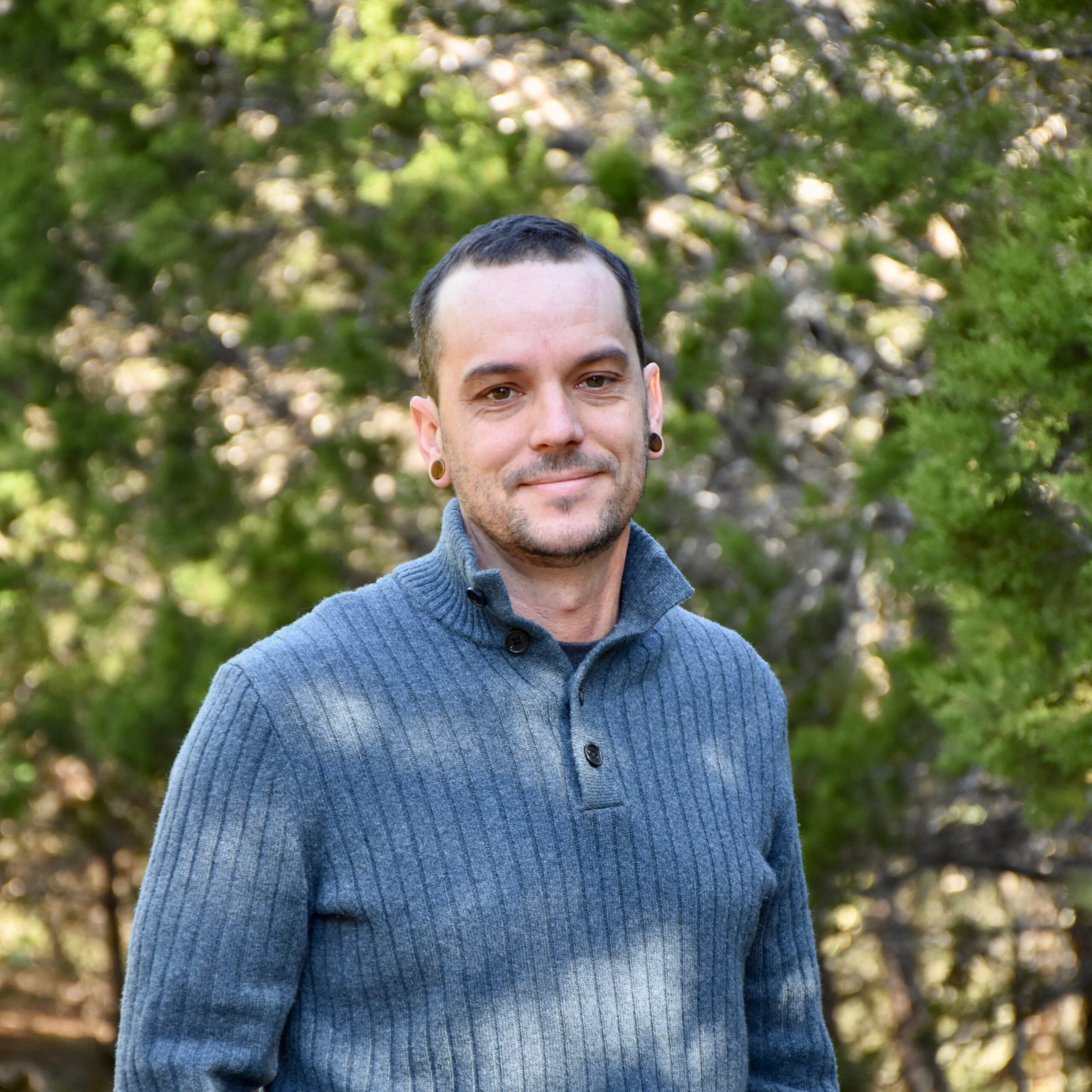
Reviewed by Chris Hudson, LPC
Founder & Executive Director – Lucent Recovery and Wellness, Austin, TX (2020–Present)
Leads clinical programs and develops innovative therapeutic approaches integrating experiential and creative therapies.
Board Member – Reklaimed, Austin, TX
Supports recovery-focused nonprofit initiatives fostering community and creative skill-building.
Clinical Leadership Roles – South Meadows Recovery, Inc.
Held leadership positions overseeing program development, clinical operations, and organizational management.
EDUCATION & CREDENTIALS
- M.A., Clinical Mental Health Counseling – Seminary of the Southwest (2021)
- B.A., Studio Art – Lewis & Clark College (2004)
- Licensed Professional Counselor (LPC), Texas
- Licensed Chemical Dependency Counselor (LCDC), Texas