Outpatient Programs in Austin for Schizophrenia and Schizoaffective Disorder
Calibrating Structure and Wraparound Care for Psychotic Disorders
Authored by the Clinical Team at Lucent Recovery and Wellness
Reviewed by Chris Hudson, MA, LPC, LCDC
Quick Summary: Managing complex psychotic disorders like schizophrenia or schizoaffective disorder requires a level of structural containment that standard outpatient therapy often cannot provide. In Austin, specialized outpatient programs including Partial Hospitalization Programs (PHP) and Intensive Outpatient Programs (IOP) offer a middle path for adults who are stable enough to live at home but require intensive psychiatric oversight and coordinated social support. By integrating clinical therapy with environmental stabilization, these programs aim to reduce hospitalizations and foster meaningful independence.
For individuals living with schizophrenia or schizoaffective disorder, the transition from inpatient stabilization to daily life is often the most vulnerable phase of recovery. Symptoms that were contained within a structured hospital environment are suddenly exposed to the full weight of real-world stressors fluctuating routines, social demands, medication adherence challenges, and the absence of constant clinical oversight. For many adults, this transition is where progress unravels.
The therapeutic environment provided by an outpatient treatment program must be robust enough to withstand the pressures that frequently trigger symptom escalation. A single weekly therapy session is rarely sufficient. What is required is a structured, multidimensional system of care that bridges the gap between clinical containment and the recovery environment ensuring that the gains made inside treatment are actively supported by what happens outside of it.
In Austin, outpatient care for psychotic disorders is shifting toward exactly this kind of model. Rather than focusing solely on symptom reduction, the most effective programs address the full landscape of factors that determine stability: psychiatric oversight, environmental safety, social support, medication continuity, and functional skill-building. Understanding how these elements fit together is the first step toward finding the right level of care.
On This Page
- When Outpatient Care Is Appropriate for Psychotic Disorders
- The Role of Partial Hospitalization (PHP) in Stabilization
- Intensive Outpatient (IOP) for Long-Term Maintenance
- Wraparound Care: Managing the Recovery Environment
- The Importance of Coordinated Psychiatric Oversight
- Applied Example: Calibrating Structure to Individual Need
When Outpatient Care Is Appropriate for Psychotic Disorders
Not every individual living with schizophrenia or schizoaffective disorder requires inpatient or residential care. For many adults, structured outpatient programming provides sufficient containment to manage symptoms, maintain functioning, and support community integration provided the level of structure is appropriately calibrated to their clinical presentation and recovery environment.
Outpatient programs are suitable for adults with schizophrenia or schizoaffective disorder who do not require 24-hour medical supervision but still face significant functional impairment. Clinicians determine the appropriate level of care by evaluating patterns across multiple domains including risk level, disorder severity, medication stability, and recovery environment quality. Frameworks such as the LOCUS system provide structured guidance for these placement decisions, ensuring that the intensity of services matches the complexity of need rather than defaulting to the least restrictive option regardless of acuity.
You or a loved one may benefit from a structured outpatient program if:
- Mood shifts or psychotic symptoms are present but can be managed outside of a hospital setting with appropriate clinical support.
- Weekly therapy sessions are no longer sufficient to maintain daily functioning or prevent symptom escalation between contacts.
- There is a need for consistent medication adherence support, metabolic monitoring, or regular psychiatric check-ins.
- Functional roles including work, school, or self-care are strained by symptom volatility or impaired executive functioning.
- The recovery environment lacks adequate structure, social support, or safety to sustain independent stability without clinical reinforcement.
If you are unsure whether your current level of support remains appropriate, reviewing the signs that indicate a higher level of care may be needed can help clarify the decision. For a direct comparison of program types, see our IOP vs PHP comparison guide.
The Role of Partial Hospitalization (PHP) in Stabilization
A Partial Hospitalization Program (PHP) functions as an intensive day-treatment model, typically providing five to seven days of structured therapeutic care each week. For individuals with schizoaffective disorder or schizophrenia, PHP offers the highest level of outpatient containment available enough daily structure to interrupt the cycle of decompensation and rebuild a stable foundation before transitioning to a less intensive level of care.
The consistent daily routine of PHP is itself a therapeutic tool. Psychotic disorders are often characterized by disrupted circadian rhythms, unpredictable symptom fluctuation, and difficulty organizing daily life around a coherent schedule. Regular, predictable structure reduces the cognitive load associated with unplanned days and provides the external scaffolding that many individuals need while their psychiatric stability is still being established.
PHP for schizophrenia and schizoaffective disorder typically includes:
- Daily group counseling and individual therapy sessions targeting symptom management, coping skill development, and functional recovery.
- Medication management and regular psychiatric check-ins to monitor response, adjust dosing, and address tolerability concerns in real time.
- Psychoeducation workshops to help individuals and their families understand the nature of the disorder, recognize early warning signs, and develop relapse prevention strategies.
- Structured skill-building focused on executive functioning, daily living tasks, and the social competencies needed to sustain community integration.
- Case management to coordinate services, manage logistics, and ensure that the clinical picture is shared consistently across all providers involved in care.
PHP is not a permanent level of care. It is a stabilization platform. The goal is to establish sufficient psychiatric stability, medication consistency, and functional capacity to support a transition to a less intensive outpatient level typically an Intensive Outpatient Program without losing the gains achieved during the more structured phase of treatment.
Intensive Outpatient (IOP) for Long-Term Maintenance
Once acute stabilization is achieved, an Intensive Outpatient Program (IOP) provides a more flexible schedule typically nine to fifteen hours per week that supports continued recovery while allowing adults to maintain work, family, and community commitments. IOP represents the next step along the outpatient continuum: enough structure to reinforce gains and monitor for early signs of destabilization, without the full-day commitment of PHP.
For individuals with schizophrenia and schizoaffective disorder, long-term maintenance requires more than medication adherence. Social isolation, cognitive impairment, low motivation, and difficulty navigating interpersonal relationships are persistent challenges that require ongoing therapeutic support even after acute symptoms have stabilized. IOP provides the continued clinical contact and peer engagement needed to address these dimensions of recovery over time.
IOP for psychotic disorders typically incorporates:
- Social Skills Training (SST), a structured, evidence-based approach that helps individuals develop and practice the interpersonal skills needed for community participation, relationship maintenance, and occupational functioning.
- Cognitive Behavioral Therapy adapted for psychosis (CBTp), which helps individuals examine and shift their relationship with distressing thoughts, unusual perceptions, and the beliefs that often accompany psychotic experiences reducing the emotional impact of symptoms even when they cannot be fully eliminated.
- Ongoing individual therapy to address the psychological dimensions of living with a chronic psychiatric condition, including grief, identity, and the effort of sustaining recovery over the long term.
- Regular psychiatric monitoring to catch early warning signs of decompensation and respond with clinical adjustments before a full relapse requires a higher level of care.
- Continued case management to coordinate vocational support, community integration, and any concurrent medical or social service needs.
For many adults with schizophrenia or schizoaffective disorder, IOP is not a short-term intervention. It is a sustained maintenance structure that provides the ongoing reinforcement necessary to prevent the erosion of stability over time. The question is not whether someone still needs support it is whether the current configuration of that support is well matched to where they are in their recovery.
Wraparound Care: Managing the Recovery Environment
Stability for psychotic disorders rarely holds if the home environment is unstable. Clinical programming however well designed cannot fully compensate for an environment that actively undermines the gains being built inside treatment. Noise, conflict, unpredictable schedules, lack of social support, and exposure to substances or stressors that trigger symptom escalation can erode weeks of clinical progress in a matter of days.
Many Austin programs now utilize wraparound care a framework that integrates clinical treatment with real-world support to create a more complete system of stabilization. Rather than treating therapy as something that occurs in isolation from the recovery environment, wraparound care extends the reach of clinical intervention into the spaces where daily life actually unfolds.
For individuals with schizophrenia and schizoaffective disorder, effective wraparound care includes:
- Master’s-level case management to coordinate medical, psychiatric, vocational, nutritional, and social service goals across a unified and current care plan. Case managers serve as the connective tissue between providers, reducing the fragmentation that frequently allows critical information to fall through the gaps.
- Transitional housing support to provide a sensory-appropriate, structured, and supportive living environment for individuals whose current housing is a barrier to clinical progress. When the recovery environment is stabilized, the gains made in therapy are far more likely to hold.
- Experiential coaching to accompany individuals to community activities, medical appointments, and social engagements reinforcing behavioral skills in the real-world settings where they are most needed and most difficult to apply independently.
- Family therapy and family education to help loved ones understand the disorder, develop effective communication strategies, recognize early warning signs, and become an active and informed part of the individual’s recovery rather than an inadvertent source of additional stress.
- Health and fitness support to address the metabolic side effects associated with many antipsychotic medications, build physical routine, and support the overall wellbeing that underpins psychiatric stability.
Wraparound care does not replace clinical treatment. It ensures that clinical treatment operates within a broader system of support that reflects the complexity of what individuals with psychotic disorders are actually managing in their daily lives. Level of care assessment determines whether a client is a good fit for a program. Wraparound services allow the program to become a good fit for the client.
The Importance of Coordinated Psychiatric Oversight
Effective treatment for schizophrenia and schizoaffective disorder requires precise pharmacological management. Antipsychotic medications vary significantly in their mechanisms, side effect profiles, and optimal dosing ranges. The relationship between medication and symptom stability is not static it shifts over time as tolerance develops, life circumstances change, and the disorder itself evolves. Managing this complexity requires not only a skilled prescriber, but a coordinated system of clinical communication that keeps the entire treatment team oriented to the same current picture.
At high-quality Austin programs, psychiatric care is not siloed from the rest of treatment. It is synchronized with individual therapy, group programming, case management, and coaching through regular interdisciplinary communication that ensures medication decisions are informed by behavioral observations across all points of contact not just what is reported during a brief psychiatric appointment.
Key components of coordinated psychiatric oversight include:
- Metabolic monitoring to track the weight gain, glucose dysregulation, and lipid changes associated with many second-generation antipsychotics, enabling early intervention before these effects become a significant barrier to medication adherence.
- Long-acting injectable (LAI) coordination, where case managers ensure that injections are scheduled, administered on time, and documented consistently eliminating one of the most common drivers of relapse in this population.
- Real-time communication between prescribers and therapists, so that changes in medication whether intentional adjustments or missed doses are reflected in the therapeutic approach without delay.
- Proactive early warning monitoring, where the clinical team is trained to recognize the prodromal signs of a psychotic episode and escalate care before a full decompensation requires hospitalization.
For individuals with different presentations of schizophrenia or schizoaffective disorder, medication needs differ substantially. A program that coordinates psychiatric oversight with every other dimension of care is far better positioned to catch instability early and respond effectively than one in which prescribing and therapy operate as separate silos.
Applied Example: Calibrating Structure to Individual Need
Consider an individual with schizoaffective disorder who has historically struggled to maintain stability outside of inpatient care. Despite multiple attempts at standard outpatient treatment, each discharge has been followed by gradual decompensation, missed medications, social withdrawal, increasing symptom burden, and eventual crisis. The pattern is not evidence that outpatient care cannot work. It is evidence that the configuration of outpatient care has not yet matched the complexity of what this individual is managing.
Rather than cycling through the same approach and expecting a different outcome, an adaptive program builds structure intentionally across multiple layers:
- A Partial Hospitalization Program provides daily therapeutic containment during the most vulnerable phase of the transition from inpatient care, establishing routine, reinforcing medication adherence, and rebuilding the functional foundation before any step-down is attempted.
- Transitional housing stabilizes the recovery environment simultaneously, replacing an unstable or unsupportive living situation with a structured setting that reduces sensory overload, eliminates substance exposure, and provides a consistent daily rhythm.
- Case management coordinates all dimensions of the care plan, ensuring that long-acting injectable medications are ordered and administered on schedule, that appointments across providers are kept, and that any disruption in one domain is identified and addressed before it undermines the others.
- Experiential coaching accompanies the individual to community activities, medical appointments, and social engagements gradually expanding the range of environments in which they can function with confidence, and providing real-time support when anxiety or symptom pressure threatens engagement.
- When traditional process groups prove overwhelming, programming is adjusted to emphasize experiential or nature-based therapeutic activities, reducing cognitive and social demands while maintaining overall treatment intensity and peer connection.
- Family involvement is structured and therapeutic rather than informal ensuring that the home environment the individual will eventually return to is prepared, informed, and capable of supporting rather than inadvertently undermining recovery.
In this configuration, stability does not depend on any single modality. It depends on how multiple structural elements are calibrated to work together around the specific needs, history, and environment of the individual. Step-down from PHP to IOP occurs when observable indicators of functional readiness and environmental stability align not on a predetermined schedule. This is what adaptive outpatient care looks like in practice.
Conclusion
At Lucent Recovery and Wellness, we understand that managing schizophrenia and schizoaffective disorder is a long-term integration process not a short-term stabilization event. The goal of outpatient treatment is not simply to reduce acute symptoms. It is to build a structural foundation strong enough to sustain stability when clinical support decreases and real life resumes.
By offering integrated outpatient frameworks that combine PHP and IOP with wraparound care, coordinated psychiatric oversight, case management, coaching, and transitional housing, we aim to provide the containment necessary for gains to consolidate rather than collapse. When structure matches volatility, individuals are more likely to regain control over their lives and maintain lasting stability in the Austin community.
If repeated cycles of partial stabilization followed by relapse have characterized prior treatment attempts, the issue is rarely the individual’s capacity for recovery. It is whether the current configuration of care has been sufficiently matched to the complexity of what that recovery actually requires.
Determine the Right Level of Structure for Your Needs
Outpatient instability is not always a sign that treatment has failed. More often, it is a sign that the current configuration of care is not yet aligned with the level of risk, environmental strain, or psychiatric complexity that is actually present. That misalignment can be identified and corrected but doing so requires an honest, structured evaluation of where things currently stand.
A structured level-of-care assessment evaluates the domains that most directly predict stability in outpatient settings including symptom severity, functional impairment, medication consistency, recovery environment quality, and engagement capacity. The outcome is not simply a placement recommendation. It is a clinical picture that clarifies which structural elements are missing, which are present but misaligned, and how care can be configured to produce more durable outcomes.
Whether the next step is a Partial Hospitalization Program, an Intensive Outpatient Program, or an integrated system of wraparound services built around your specific needs, that decision should be grounded in clinical evidence not guesswork. Stability improves when structure matches volatility. Finding that match begins with a single conversation.
Schedule a Level of Care Assessment
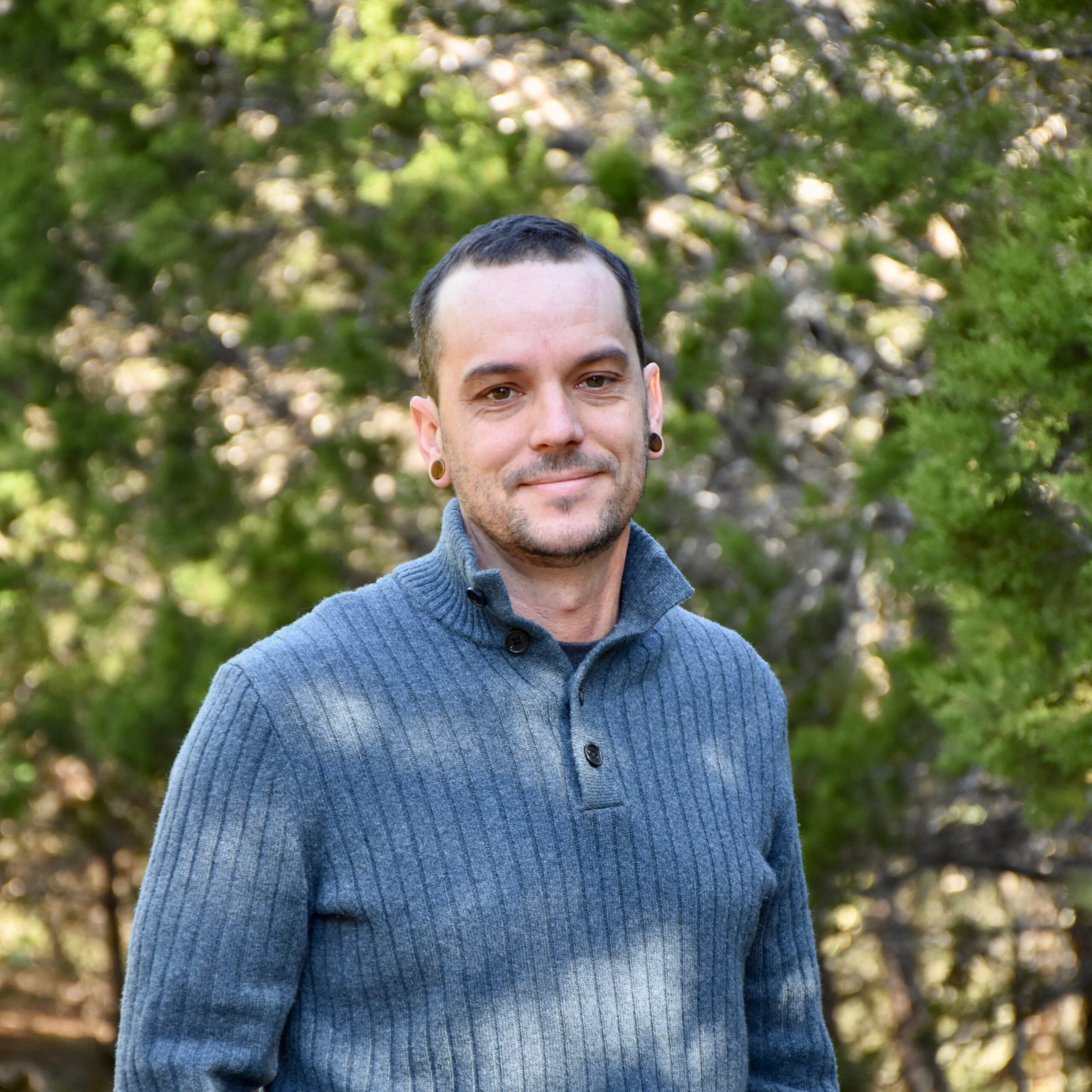
Reviewed by Chris Hudson, LPC, LCDC
Founder & Executive Director – Lucent Recovery and Wellness, Austin, TX (2020–Present)
Leads clinical programs and develops innovative therapeutic approaches integrating experiential and creative therapies.
Board Member – Reklaimed, Austin, TX
Supports recovery-focused nonprofit initiatives fostering community and creative skill-building.
Clinical Leadership Roles – South Meadows Recovery, Inc.
Held leadership positions overseeing program development, clinical operations, and organizational management.
EDUCATION & CREDENTIALS
- M.A., Clinical Mental Health Counseling – Seminary of the Southwest (2021)
- B.A., Studio Art – Lewis & Clark College (2004)
- Licensed Professional Counselor (LPC), Texas
- Licensed Chemical Dependency Counselor (LCDC), Texas