
Benefits of Partial Hospitalization Programs (PHP) for Mental Health Recovery
Mental health challenges are increasingly common, yet many individuals hesitate to seek help due to concerns about hospitalization disrupting their daily lives. Partial Hospitalization Programs (PHP) offer an intensive, structured form of care that bridges the gap between inpatient treatment and outpatient therapy. Designed for individuals requiring comprehensive support but who do not need 24-hour hospitalization, PHP provides a unique balance of therapy, skill-building, and flexibility.
In this article, we’ll explore the structure of PHP programs, their benefits, who can benefit most, and how PHP fits into long-term recovery. By understanding these programs, individuals and families can make informed decisions about mental health care that supports sustainable recovery and improved quality of life.
What is a Partial Hospitalization Program?
A Partial Hospitalization Program is an intensive, structured treatment program for individuals managing mental health conditions who require more support than traditional outpatient therapy but do not need round-the-clock hospitalization. PHP programs typically run five to seven days per week, with sessions lasting four to six hours per day.
Structure and Components of PHP
PHP programs combine various forms of therapy, including individual counseling, group therapy, and specialized treatments such as cognitive-behavioral therapy (CBT) and dialectical behavior therapy (DBT). Participants benefit from a daily routine that promotes consistency and accountability while allowing them to return home each evening.
Differences Between PHP and Intensive Outpatient Programs (IOP)
While both PHP and IOP are outpatient programs, PHP offers a higher level of intensity. PHP often involves more hours of therapy per week and a structured daily schedule, whereas IOP generally consists of fewer hours and allows more flexibility. This makes PHP especially effective for individuals transitioning from inpatient care or those whose symptoms require more intensive monitoring and treatment.
Typical Patients for PHP
PHP serves a wide range of patients, including those managing depression, anxiety, bipolar disorder, PTSD, and co-occurring substance use disorders. Individuals struggling to maintain stability through standard outpatient therapy or those at risk of hospitalization often find PHP particularly beneficial.
Benefits of Partial Hospitalization Programs
PHP programs offer numerous advantages that make them a valuable option for individuals seeking comprehensive mental health care while maintaining independence.
1. Structured Support Without Full Hospitalization
For many, the thought of full hospitalization can be daunting. PHP provides a safe, structured environment during the day while allowing individuals to maintain their home life in the evenings. This structure supports daily routines, encourages responsibility, and reduces the isolation often associated with mental health challenges.
2. Comprehensive Mental Health Care
PHP programs offer a multidisciplinary approach, incorporating psychiatry, therapy, and sometimes medical monitoring. Evidence-based therapies such as CBT, DBT, and trauma-focused therapy ensure participants receive holistic care. This integrated approach allows patients to address the root causes of their conditions while developing coping strategies and life skills for long-term wellness.
3. Improved Recovery Outcomes
Research indicates that PHP can significantly improve recovery outcomes. Individuals in structured programs like PHP experience reduced relapse rates, better adherence to treatment plans, and improved symptom management. Patients also benefit from group therapy, which fosters social connection, shared experiences, and mutual support.
4. Safe Environment for Mental Health Improvement
PHP offers a balance between independence and supervision. Participants receive oversight from trained professionals who monitor progress, provide guidance, and intervene if needed. This controlled environment allows individuals to engage fully in therapy while learning to manage triggers and challenges in real-life settings.
Who Can Benefit Most from PHP?
Partial Hospitalization Programs are suitable for individuals dealing with moderate to severe mental health conditions who require structured support. Specific groups that benefit include:
-
Individuals with Depression and Anxiety: PHP provides intensive therapy and coping strategies to help manage symptoms effectively.
-
Those with Bipolar Disorder: Structured schedules and monitoring help stabilize mood fluctuations.
-
People Recovering from Trauma or PTSD: Therapy and support in PHP programs provide a safe space for processing experiences.
-
Individuals with Co-occurring Disorders: PHP addresses both mental health and substance use disorders simultaneously.
PHP is also ideal for individuals transitioning from inpatient treatment who need ongoing support but are ready to reintegrate into their home and community life. By offering structured care during the day, PHP prepares participants for long-term success while maintaining flexibility.
PHP vs Other Levels of Care
Understanding how PHP fits into the continuum of care is essential for making informed decisions about mental health treatment.
PHP vs Inpatient Hospitalization
Inpatient hospitalization provides 24-hour care for acute or high-risk situations. While inpatient care is necessary for severe crises, it can be restrictive and isolating. PHP offers a less restrictive environment while still providing structured and intensive treatment.
PHP vs Intensive Outpatient Program (IOP)
IOP programs generally require fewer hours of therapy per week and offer more flexibility. PHP is more intensive, often recommended for individuals who need closer monitoring or who are transitioning from inpatient care.
Cost and Insurance Considerations
Many insurance providers cover PHP programs similarly to inpatient and IOP services, making them a financially viable option. Coverage varies, so it is important to verify benefits and understand out-of-pocket costs. PHP is often a cost-effective alternative to inpatient care while delivering comprehensive treatment.
Integrating PHP into Long-Term Recovery
Partial Hospitalization Programs are most effective when integrated into a broader recovery plan. PHP equips individuals with essential skills for managing their mental health outside the program, including:
-
Life Skills: Time management, stress reduction, and emotional regulation
-
Coping Strategies: Tools for managing triggers and preventing relapse
-
Family Involvement: Family therapy sessions to strengthen support networks
-
Transition to Outpatient Care: PHP acts as a bridge, gradually reducing intensity while ensuring continuity of care
Maintaining the progress achieved in PHP requires ongoing engagement in therapy, peer support, and wellness programs. Incorporating exercise, nutrition, and experiential activities further reinforces recovery and overall well-being.
Conclusion
Partial Hospitalization Programs provide a structured, supportive, and flexible approach to mental health care. Offering comprehensive therapy, supervision, and skill-building opportunities, PHP helps individuals manage symptoms, maintain independence, and achieve sustainable recovery. Whether transitioning from inpatient care or seeking more intensive support than traditional outpatient therapy, PHP is a proven pathway to improved mental health and long-term wellness.
Next Steps:
If you or a loved one are considering a PHP, consult with a mental health professional to determine if it is the right level of care. Lucent Recovery offers comprehensive PHP programs designed to support individuals at every stage of their mental health journey.
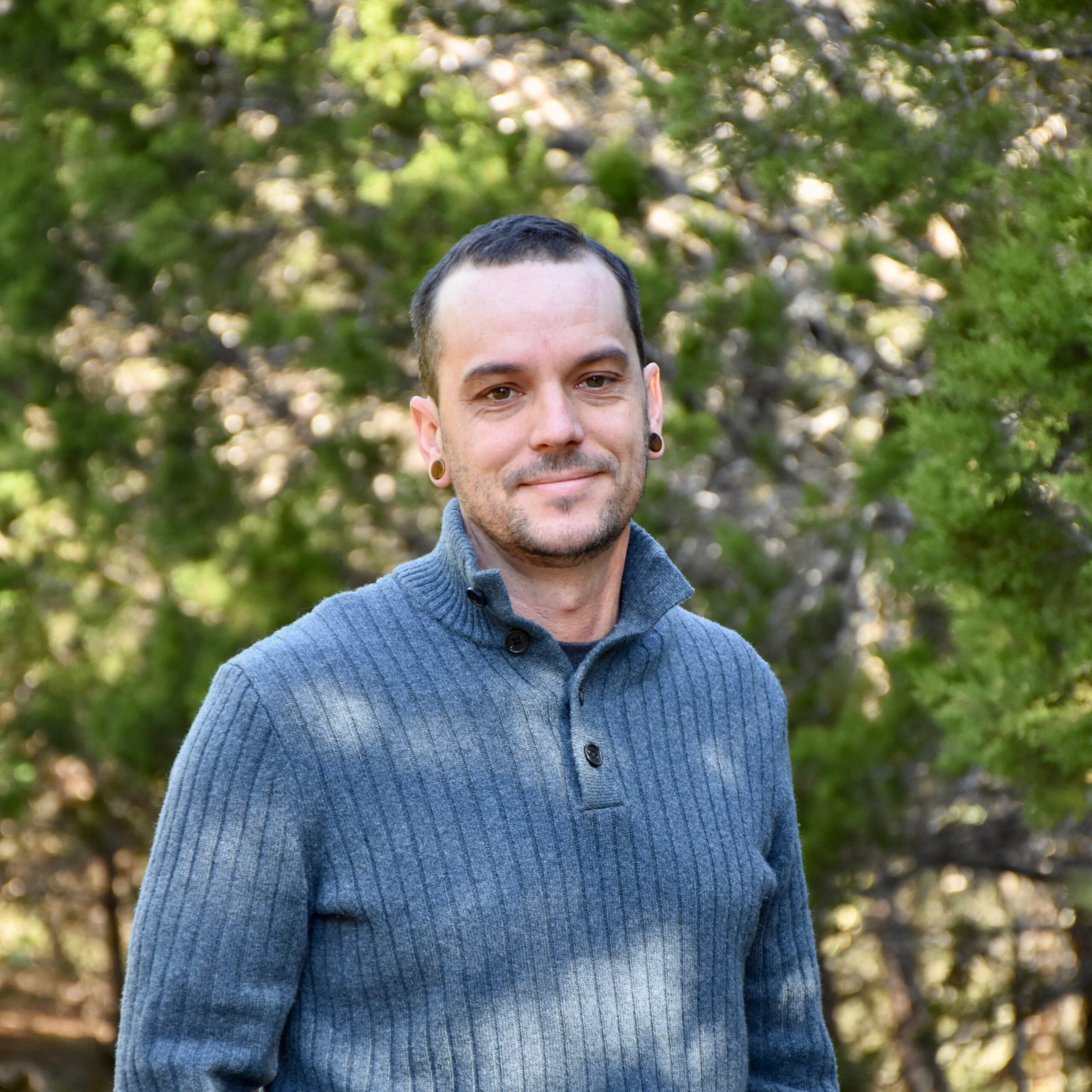
Reviewed by Chris Hudson, LPC, LCDC
Founder & Executive Director – Lucent Recovery and Wellness, Austin, TX (2020–Present)
Leads clinical programs and develops innovative therapeutic approaches integrating experiential and creative therapies.
Board Member – Reklaimed, Austin, TX
Supports recovery-focused nonprofit initiatives fostering community and creative skill-building.
Clinical Leadership Roles – South Meadows Recovery, Inc.
Held leadership positions overseeing program development, clinical operations, and organizational management.
EDUCATION & CREDENTIALS
- M.A., Clinical Mental Health Counseling – Seminary of the Southwest (2021)
- B.A., Studio Art – Lewis & Clark College (2004)
- Licensed Professional Counselor (LPC), Texas
- Licensed Chemical Dependency Counselor (LCDC), Texas