Anxiety, Depression, and Trauma in 2026: How Modern Treatment Connects the Dots
The Overlapping Roots of Modern Mental Health
By 2026, the conversation about mental health has shifted from isolated diagnoses to interconnected systems of healing.
Clinicians now recognize what many clients have long felt: anxiety, depression, and trauma rarely exist alone. They overlap, reinforce one another, and often share common biological and emotional roots.
At Lucent Recovery and Wellness, clients often arrive identifying with one condition only to discover that their anxiety stems from unresolved trauma, or their depression is sustained by years of chronic stress. Modern treatment no longer separates these experiences it integrates them into one cohesive path toward recovery.
The New Science: How the Three Conditions Interact
Over the last five years, research has transformed how professionals understand the triad of anxiety, depression, and trauma.
1. Shared Neurobiology
Brain imaging now reveals that all three conditions affect similar regions:
-
Amygdala (fear and emotional reactivity)
-
Hippocampus (memory and trauma storage)
-
Prefrontal cortex (emotional regulation and decision-making)
This means that chronic trauma can rewire the same pathways involved in anxiety and depression explaining why treating one often improves the others.
2. The Role of the Nervous System
In 2026, mental health care emphasizes nervous system regulation as the foundation of healing.
When the body stays stuck in “fight, flight, or freeze,” the mind interprets that as anxiety or depression. Trauma therapy techniques like somatic experiencing, polyvagal regulation, and neurofeedback help restore a sense of safety before deep emotional work begins.
3. Trauma as the Hidden Driver
Many treatment professionals now see trauma not as a standalone diagnosis but as the root condition beneath anxiety and depression.
Unresolved trauma whether developmental, relational, or acute can distort the body’s stress response and trap individuals in chronic emotional cycles.
Why Traditional Treatment Often Fell Short
Before 2020, most clients were treated for one condition at a time. A patient might receive medication for depression, CBT for anxiety, and perhaps a trauma referral later.
The problem?
Fragmented care ignored the interconnected nature of suffering.
By 2026, integrated models have replaced that approach. Clients now receive whole-person treatment plans designed to address symptoms, root causes, and nervous system health simultaneously.
Modern Treatment Models That Bridge the Gap
1. Integrated Care Plans
Today’s leading centers including Lucent build treatment plans that combine:
-
Evidence-based therapies like CBT, DBT, and ACT
-
Trauma processing modalities such as EMDR or somatic therapy
-
Mind-body practices including breathwork, yoga, and mindfulness
-
Medication management guided by personalized neuroscience
Each piece works together, addressing different layers of healing rather than treating them as separate problems.
2. The Rise of Trauma-Informed CBT
Traditional CBT focused mainly on changing thoughts.
Now, trauma-informed CBT blends cognitive restructuring with nervous system awareness acknowledging that thoughts can’t change until the body feels safe.
3. Neurobiological and Technological Tools
By 2026, mental health facilities have adopted advanced tools such as:
-
Transcranial magnetic stimulation (TMS) for treatment-resistant depression
-
Neurofeedback to help regulate the brain’s stress response
-
AI-assisted progress tracking to detect emotional shifts between sessions
These tools make invisible progress visible helping clinicians fine-tune care in real time.
4. Group and Relational Healing
Modern trauma treatment understands that connection is the opposite of trauma.
Group therapy, attachment repair work, and family involvement all help clients rebuild safe relational experiences a crucial step in reducing both depression and anxiety.
When Co-Occurring Disorders Complicate Recovery
The term “co-occurring disorders” refers to when multiple mental health conditions appear together such as PTSD with anxiety, or depression with substance use.
In 2026, treatment centers are more equipped than ever to handle this complexity.
-
Dual-diagnosis programs integrate mental health and addiction care.
-
Collaborative treatment teams (psychiatrists, therapists, and holistic providers) work in tandem.
-
Continuity of care ensures clients aren’t discharged prematurely once one symptom improves.
Lucent’s approach emphasizes integration over isolation treating the person, not the label.
Healing the Root: Beyond Symptom Management
One of the biggest breakthroughs in 2026 is the recognition that true healing involves both the mind and body.
Therapies like somatic work, mindfulness-based cognitive therapy (MBCT), and internal family systems (IFS) help clients connect to buried emotions rather than suppress them.
It’s not just about coping it’s about repatterning how the nervous system responds to life itself.
Case Insight: From Overwhelm to Integration
A recent Lucent client shared that for years, therapy focused solely on anxiety management techniques breathing, reframing, exposure. But it wasn’t until trauma processing began that her panic symptoms finally subsided.
This reflects a larger truth: when trauma heals, anxiety and depression often follow.
Looking Ahead: What’s Next by 2030
The next generation of treatment is shaping up to be even more personalized:
-
AI-driven diagnostics that map brain and body stress patterns
-
Wearable biofeedback devices for real-time emotional regulation
-
Virtual reality exposure therapy integrated with trauma processing
-
Community-based wellness models blending clinical and peer support
By 2030, care will likely be more predictive identifying vulnerability before full symptoms emerge.
Key Takeaway
In 2026, anxiety, depression, and trauma are no longer viewed as isolated battles. They’re deeply connected expressions of one system asking for safety, balance, and integration.
When treatment acknowledges those connections, recovery becomes not just possible but sustainable.
At Lucent Recovery and Wellness, we help clients reconnect the dots between body, mind, and story so they can finally move from coping to healing.
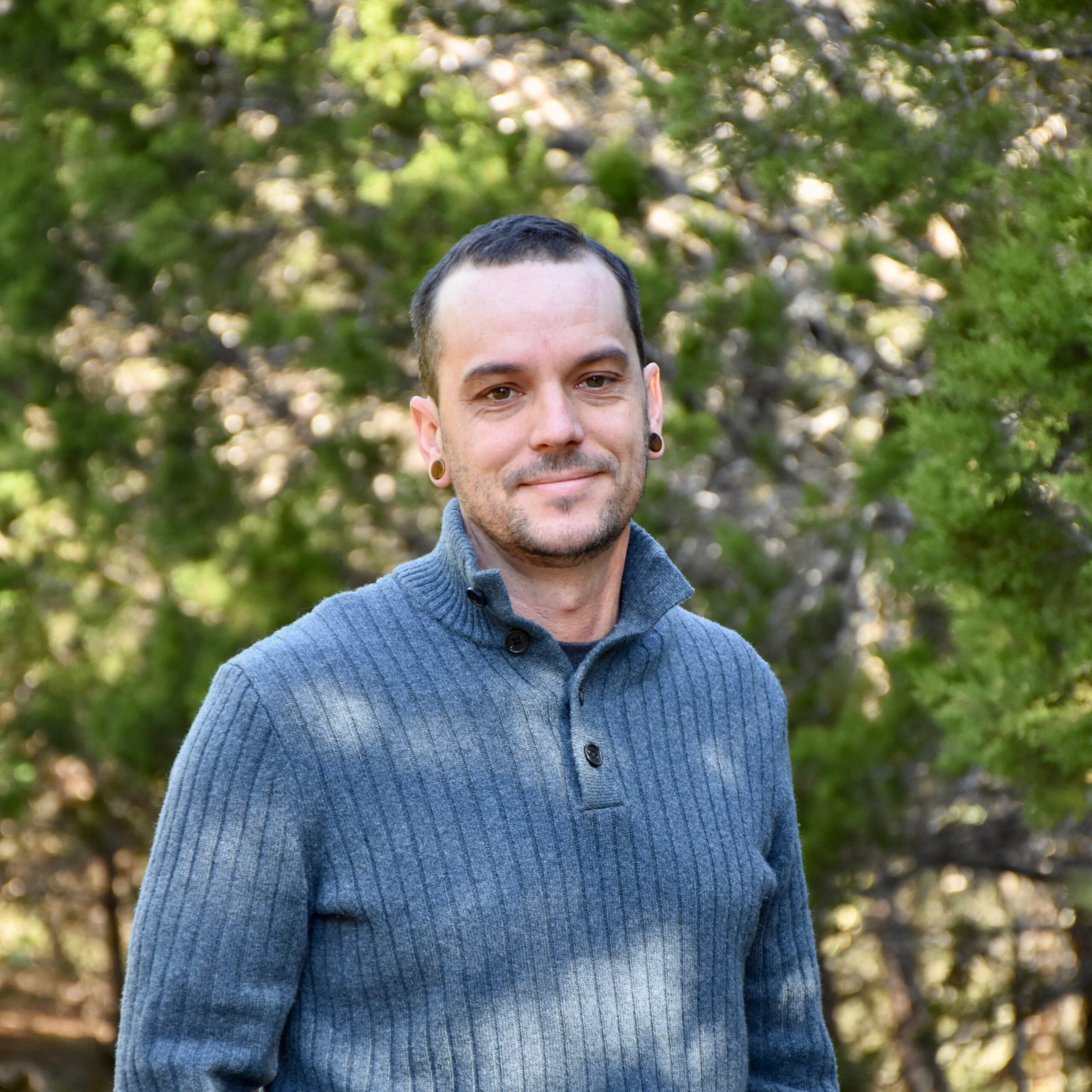
Reviewed by Chris Hudson, LPC, LCDC
Founder & Executive Director – Lucent Recovery and Wellness, Austin, TX (2020–Present)
Leads clinical programs and develops innovative therapeutic approaches integrating experiential and creative therapies.
Board Member – Reklaimed, Austin, TX
Supports recovery-focused nonprofit initiatives fostering community and creative skill-building.
Clinical Leadership Roles – South Meadows Recovery, Inc.
Held leadership positions overseeing program development, clinical operations, and organizational management.
EDUCATION & CREDENTIALS
- M.A., Clinical Mental Health Counseling – Seminary of the Southwest (2021)
- B.A., Studio Art – Lewis & Clark College (2004)
- Licensed Professional Counselor (LPC), Texas
- Licensed Chemical Dependency Counselor (LCDC), Texas