Texas Ranks Last in Mental Health Care. Here’s What That Means for People in Austin.
Authored by the Clinical Team at Lucent Recovery and Wellness
Reviewed by Chris Hudson, MA, LPC, LCDC
In its 2025-2026 Public Policy Platform, NAMI Texas released a finding that deserves more attention than it gets: Texas ranks last in the nation for mental health care and workforce capacity. Last. Out of all 50 states, Texas provides the least robust mental health infrastructure relative to its population’s needs.
For the more than two million people living in the greater Austin metro area, that’s not an abstract policy statistic. It’s the reason appointments are hard to find, waitlists stretch for months, and people in genuine distress cycle through crises without ever accessing real, sustained clinical care.
At Lucent Recovery and Wellness, we exist partly in response to this gap — not to fix a broken system overnight, but to offer Austin residents a genuinely high-quality, clinician-led alternative for people who need more than the public system can reliably provide.
The Numbers Behind the Gap
According to NAMI, 3,347,000 adults in Texas have a mental health condition — more than three times the total population of the city of Austin. Of those adults, 68% received no mental health treatment at all.
At the national level, the 2024 National Survey on Drug Use and Health, published by SAMHSA in July 2025, found that 23.4% of U.S. adults experienced mental illness in the past year. Nearly half received no treatment. In Texas, the treatment gap is even wider than the national average.
More than 15 million Texans live in communities without enough mental health professionals. As of 2024, according to NAMI Texas, nearly 1,900 underserved adults were spending an average of 679 days — just under two years — on waitlists for mental health services.
Two years. For something affecting their functioning, relationships, and quality of life every single day.
What the Austin Mental Health System Actually Looks Like
If you’ve tried to access mental health care in Austin and found the process confusing, slow, or discouraging, you’re not having an unusual experience. You’re running into a structural problem that affects hundreds of thousands of people in this state.
The Austin system can be organized into several tiers:
Public and nonprofit providers. Integral Care, Austin’s Local Mental Health Authority for Travis County, provides services on a sliding scale — including crisis lines, mobile crisis teams, and psychiatric care — for residents who qualify. For people in acute crisis, the 988 Lifeline (call or text 988) and Integral Care’s 24/7 line are important resources.
Private outpatient therapy. Individual therapists in private practice are widely available in Austin, though finding someone with the right specialty and availability takes time. Weekly therapy is appropriate for mild to moderate concerns. If you’re wondering whether weekly therapy is enough for what you’re dealing with, our post on how IOP compares to traditional counseling can help you think through the question.
Intensive Outpatient Programs (IOP). For adults dealing with moderate to severe symptoms, an IOP provides a higher level of structured clinical care while clients continue living at home and working. At Lucent’s IOP in Austin, all sessions are led by master’s-level clinicians using CBT, DBT, IFS, and trauma-focused approaches. If you’re not sure whether IOP is the right level of intensity, our IOP vs PHP comparison lays out the clinical distinctions clearly.
Partial Hospitalization Programs (PHP). A step above IOP — full-day programming five days a week for people who need intensive support without overnight hospitalization.
Inpatient and crisis stabilization. For acute psychiatric crises requiring 24-hour supervision, inpatient facilities and crisis stabilization services are available in the Austin area.
The Conditions We Treat at Lucent
At Lucent, we serve adults across a broad range of mental health presentations — rarely in clean single-diagnosis boxes, often in overlapping patterns that require a comprehensive clinical response.
We work with clients navigating depression in its many forms, anxiety disorders from generalized anxiety to panic disorder and OCD-spectrum presentations, PTSD and complex trauma, bipolar disorder, borderline personality disorder, ADHD, and schizophrenia spectrum conditions.
We’re LGBTQIA+ affirming, offer sensory-safe spaces, and provide transitional housing for out-of-area clients. For clients in North Texas, we also operate a Dallas-area IOP. For clients in the San Antonio area, our San Antonio IOP services page has more information on how to access Austin-based care.
Why the Clinician-Owned, Boutique Model Matters
In a market with significant provider shortages, programs face pressure to see as many clients as possible. That pressure can lead to generic, protocol-driven care that’s insufficiently responsive to individual needs.
At Lucent, clinical judgment — not administrative optimization — drives every decision about treatment planning and care delivery. Our size allows us to know our clients as individuals, adjust treatment plans responsively, and maintain clinical standards that larger volume-driven programs can compromise under pressure.
Getting Ahead of the Waitlist Problem
One practical piece of advice: don’t wait until you’re in crisis. The mental health care system in Texas rewards people who seek help early — capacity is constrained, and getting in the door is easier before things reach a breaking point.
If you’re noticing symptoms — persistent low mood, heightened anxiety, emotional dysregulation, sleep disruption, increasing reliance on avoidance or substances to cope — those are signals worth acting on now.
For guidance on choosing the right type of program, see our post on how to choose a mental health program in Austin. And if you’ve been managing symptoms quietly for a long time, our piece on high-functioning mental health struggles in Austin may also resonate.
Reach out to our team for a confidential consultation.
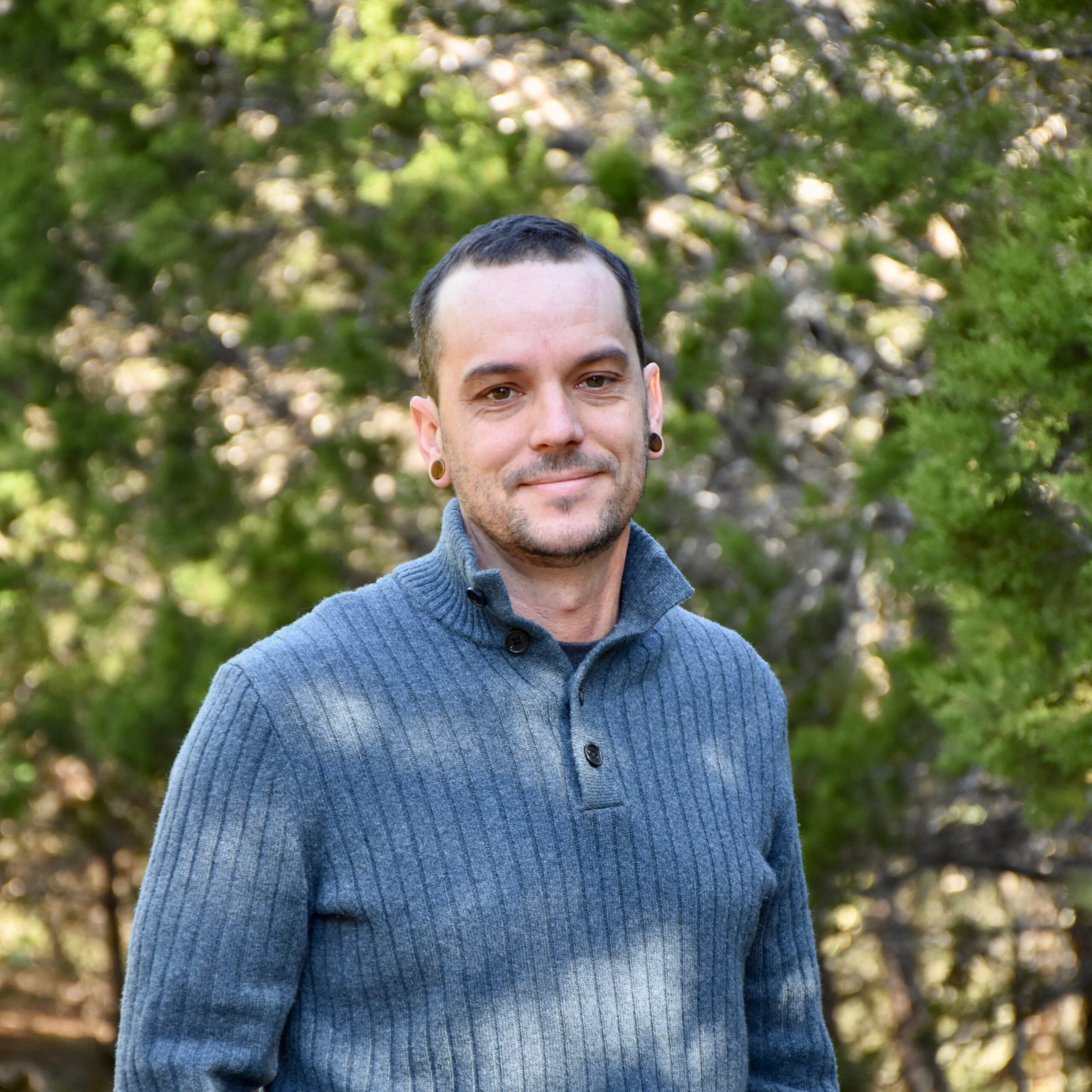
Reviewed by Chris Hudson, LPC
Founder & Executive Director – Lucent Recovery and Wellness, Austin, TX (2020–Present)
Leads clinical programs and develops innovative therapeutic approaches integrating experiential and creative therapies.
Board Member – Reklaimed, Austin, TX
Supports recovery-focused nonprofit initiatives fostering community and creative skill-building.
Clinical Leadership Roles – South Meadows Recovery, Inc.
Held leadership positions overseeing program development, clinical operations, and organizational management.
EDUCATION & CREDENTIALS
- M.A., Clinical Mental Health Counseling – Seminary of the Southwest (2021)
- B.A., Studio Art – Lewis & Clark College (2004)
- Licensed Professional Counselor (LPC), Texas
- Licensed Chemical Dependency Counselor (LCDC), Texas