
Experiential Coaching: Transforming Mental Health Through Practical Life Skills
Mental health recovery is about more than therapy sessions and medications; it’s about learning to live well, manage challenges, and thrive in daily life. Experiential coaching provides hands-on, practical guidance that complements traditional therapy, helping individuals develop life skills that foster emotional resilience and long-term wellness.
Unlike conventional talk therapy alone, experiential coaching emphasizes real-world application. Participants engage in structured activities, workshops, and guided experiences designed to teach coping strategies, communication skills, and emotional regulation in practical settings. This article explores the principles, benefits, and impact of experiential coaching on mental health recovery.
What is Experiential Coaching?
Experiential coaching is a structured approach to mental health and personal development that emphasizes learning by doing. Participants engage in guided exercises, real-life challenges, and skill-building activities designed to improve emotional, social, and cognitive functioning.
Key Components of Experiential Coaching
-
Hands-On Learning: Activities replicate real-life situations to practice problem-solving and decision-making.
-
Skill Development: Focus on coping mechanisms, emotional regulation, interpersonal skills, and self-confidence.
-
Reflection and Feedback: Participants analyze experiences with guidance from trained coaches to reinforce learning.
-
Integration with Therapy: Experiential coaching complements traditional therapy, bridging the gap between insight and action.
How Experiential Coaching Differs from Traditional Therapy
While therapy primarily involves discussing emotions, thoughts, and behaviors, experiential coaching emphasizes applying skills in practical contexts. For example, participants may practice assertive communication, stress management techniques, or social interactions under coach supervision. This approach reinforces lessons learned in therapy and prepares individuals to face real-world challenges confidently.
Benefits of Experiential Coaching
1. Improved Coping Skills
Participants learn strategies to manage stress, anxiety, and other mental health challenges. By practicing these skills in structured scenarios, they gain confidence to handle similar situations independently.
2. Enhanced Emotional Resilience
Experiential coaching helps individuals recognize triggers, process emotions constructively, and respond adaptively. Over time, this strengthens resilience and reduces vulnerability to relapse.
3. Practical Life Skills Development
Beyond emotional wellness, experiential coaching focuses on essential life skills such as:
-
Time management and organization
-
Problem-solving and decision-making
-
Communication and conflict resolution
-
Goal setting and personal accountability
4. Strengthened Social Connections
Many experiential activities involve group participation, fostering teamwork, empathy, and social support. These connections can become a vital component of a participant’s ongoing support network.
5. Increased Confidence and Independence
By practicing skills in real-world contexts, participants develop self-efficacy and independence, empowering them to manage daily life challenges without constant supervision.
Who Can Benefit from Experiential Coaching?
Experiential coaching can support a wide range of individuals seeking to improve mental health and life skills. Typical participants include:
-
Individuals in Recovery: Those transitioning from inpatient care, PHP, or IOP programs who need practical application of therapy lessons.
-
People Managing Anxiety or Depression: Helps apply coping strategies to daily challenges and improve emotional regulation.
-
Those with Trauma Histories: Provides safe, structured experiences to process emotions and rebuild trust and confidence.
-
Young Adults and Professionals: Supports personal growth, career development, and social skills enhancement.
Lucent Recovery’s experiential coaching programs are designed to integrate with other treatment modalities, ensuring participants receive holistic support for mental health and overall well-being.
How Experiential Coaching Complements PHP and IOP
1. Bridge Between Intensive Care and Outpatient Support
Experiential coaching works alongside PHP and IOP programs by helping participants translate therapy lessons into actionable skills in daily life.
2. Reinforcement of Therapy Lessons
While therapy focuses on insight, experiential coaching emphasizes application. Activities are designed to reinforce coping strategies, emotional regulation techniques, and problem-solving skills learned in traditional sessions.
3. Personalized Skill-Building
Coaches tailor activities to individual needs, addressing specific challenges and goals. This personalized approach ensures participants develop skills that are directly relevant to their daily life and long-term recovery.
4. Encourages Engagement and Motivation
Hands-on activities are often more engaging than traditional talk therapy alone. Experiential coaching motivates participants to actively participate in their recovery and apply lessons outside of therapy sessions.
Integrating Experiential Coaching into Long-Term Recovery
1. Continued Practice and Application
Recovery is a lifelong journey, and skills must be practiced consistently. Experiential coaching encourages participants to apply techniques in real-world settings, from managing work stress to navigating relationships.
2. Wellness and Lifestyle Integration
Participants are encouraged to integrate fitness, nutrition, and mindfulness practices alongside experiential coaching. Combining mental health skills with holistic wellness creates a more resilient and balanced recovery.
3. Family and Peer Support
Experiential coaching often involves family or peer components, helping participants build a support network that reinforces skills learned during sessions. Strong social support is linked to better long-term outcomes.
4. Tracking Progress and Goals
Participants work with coaches to set measurable goals, track progress, and reflect on successes. This structured approach ensures accountability and encourages ongoing growth.
Evidence and Outcomes
Research shows that experiential and skill-based interventions improve emotional regulation, reduce relapse rates, and enhance life satisfaction. Combining therapy with experiential coaching creates a comprehensive approach to recovery that addresses both mental health symptoms and practical life challenges.
Case studies from Lucent Recovery demonstrate that participants report higher confidence, better coping strategies, and improved social functioning after completing experiential coaching programs.
Conclusion
Experiential coaching offers a unique and highly effective approach to mental health recovery by emphasizing practical skills, real-world application, and holistic support. It complements PHP and IOP programs by bridging the gap between insight gained in therapy and the ability to thrive in everyday life.
Individuals seeking to enhance emotional resilience, life skills, and long-term wellness will find experiential coaching an invaluable component of their recovery journey.
Next Steps:
If you or a loved one are interested in experiential coaching, consult with a mental health professional or explore Lucent Recovery’s programs to learn how hands-on skill-building can transform mental health outcomes.
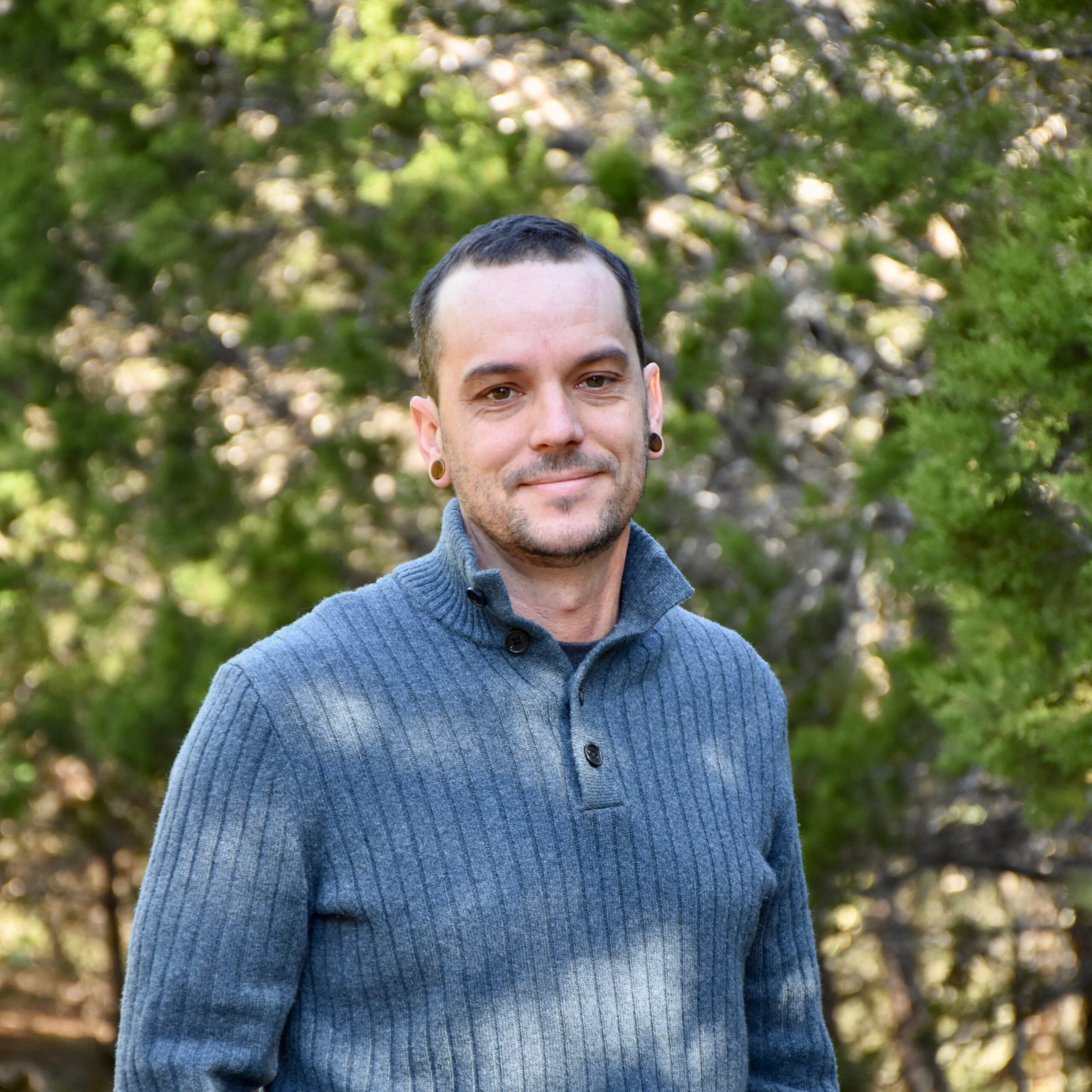
Reviewed by Chris Hudson, LPC, LCDC
Founder & Executive Director – Lucent Recovery and Wellness, Austin, TX (2020–Present)
Leads clinical programs and develops innovative therapeutic approaches integrating experiential and creative therapies.
Board Member – Reklaimed, Austin, TX
Supports recovery-focused nonprofit initiatives fostering community and creative skill-building.
Clinical Leadership Roles – South Meadows Recovery, Inc.
Held leadership positions overseeing program development, clinical operations, and organizational management.
EDUCATION & CREDENTIALS
- M.A., Clinical Mental Health Counseling – Seminary of the Southwest (2021)
- B.A., Studio Art – Lewis & Clark College (2004)
- Licensed Professional Counselor (LPC), Texas
- Licensed Chemical Dependency Counselor (LCDC), Texas